Over 1,000 Toads Feared Dead After Water Company Drains Their Breeding Reservoir
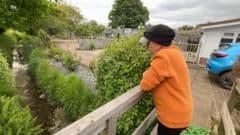
Dedicated volunteers who safely guided more than 1,500 toads to their breeding ground now fear the amphibians have perished after a reservoir was unexpectedly drained.

Dedicated volunteers who safely guided more than 1,500 toads to their breeding ground now fear the amphibians have perished after a reservoir was unexpectedly drained.

Northwestern engineers have created printable artificial neurons that communicate with living brain cells, opening doors to smarter AI and next-gen brain implants.

Launched in 1977, Voyager 1 is the farthest human-made object in existence. NASA just switched off another instrument to keep it alive a little longer.

Voyager 1 is running out of power after nearly five decades in space. NASA just switched off a key instrument to keep the legendary probe alive a little longer.

In the 19th century, thousands of seabirds were being slaughtered for sport along Yorkshire's coast. A vicar, a naturalist, and a dandyish MP changed everything.

Southeast Asia supplies over half the world's fish, yet its waters are among the most stripped bare. Here's the human and ecological toll of unchecked overfishing.

The Artemis II crew held their first NASA press conference since splashing down, sharing emotional stories of unity, wonder, and hope from deep space.

Brazilian scientists have engineered more powerful NK immune cells using advanced CAR designs and a novel drug strategy, achieving stronger tumor destruction in preclinical models.

From the hidden value of casual conversation to kinder ways of handling lobsters, this week's science stories are as surprising as they are fascinating.

Harbor seals use their remarkable whiskers to track fish through invisible underwater trails — even in complete darkness or murky water.

Rogue immune cells quietly destroy liver tissue from within. UCLA researchers found a way to remove them — and the results were stunning.

Groundbreaking research from Queen's University Belfast reveals that commercial sand dredging in Lough Neagh could be disturbing the ecosystem on a much larger scale than anyone realized.