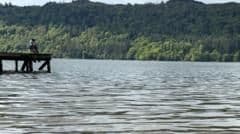
Groundbreaking Lake Research Reveals How to Neutralize Climate Change Effects on Windermere
New research from the Environment Agency suggests that eliminating wastewater discharge into Windermere could fully offset the lake's projected climate impacts over the next 50 years.
How Scientists Found a Way to Counter Climate Change at England's Largest Lake
A landmark study published by the Environment Agency (EA) has uncovered promising strategies to shield Windermere from the long-term effects of climate change — and the findings suggest that with the right interventions, the damage could be entirely prevented.
The research, conducted in partnership with the UK Centre for Ecology and Hydrology, examined how rising temperatures and increasing pollution levels could reshape the future of England's largest lake, and what steps could be taken to protect it.
The Climate Threat Facing Windermere
According to the study's projections, Windermere's average water temperature is expected to climb by approximately 2.4 to 2.5°C by the late 2070s as a direct result of climate change. Without significant changes to how the surrounding land and wastewater are managed, this temperature increase would drive up concentrations of nutrients like phosphorus and nitrogen in the lake.
Elevated nutrient levels create the ideal conditions for toxic blue-green algae to thrive — a problem already familiar to Windermere, which has repeatedly made headlines in recent years due to algal blooms turning its waters green, particularly during summer months. These blooms pose serious health risks to both people and wildlife, rendering water unsafe for swimming and disrupting aquatic ecosystems.
Three Approaches Tested — One Stands Above the Rest
Researchers evaluated three distinct management strategies to determine their effectiveness in combating nutrient pollution and algal growth:
1. Complete Wastewater Removal
The most ambitious option explored involved eliminating all wastewater entering the lake, including discharge from septic tanks. This approach proved to be the most effective by a significant margin. The study found that implementing this measure would reduce the number of days per year where blue-green algae exceeded World Health Organization (WHO) safety thresholds to zero — even when accounting for the lake's projected temperature rise over the next five decades.
The EA described this outcome as enough to "fully cancel out" the projected climate change effects on Windermere, a finding that has significant implications for environmental policy and investment.
2. Agricultural Land Management
The second approach focused on the role that farmers and land managers could play in reducing nutrient runoff from surrounding land. Improved agricultural practices have the potential to meaningfully reduce the volume of phosphorus and nitrogen reaching the lake through surface water and soil drainage.
3. Wastewater Treatment Improvements
The third strategy examined the potential of upgrading wastewater treatment processes, offering another avenue for reducing nutrient loads entering the lake.
The EA confirmed that all three approaches demonstrated measurable reductions in the number of days when blue-green algae reached levels considered hazardous to human health by the WHO — even when climate change pressures were factored into the models.
No One-Size-Fits-All Solution
Despite the encouraging results at Windermere, the EA was careful to note that the findings cannot simply be applied universally. The study made clear that every lake responds differently to pollution and climate stress depending on its individual characteristics.
This was illustrated by the case of Esthwaite Water, a smaller lake that drains into Windermere. Unlike its larger neighbor, Esthwaite Water "remained a concern under every future scenario" tested in the research. The EA attributed this to factors such as the lake's size, depth, and history of land use activity — all of which influence how a body of water absorbs and responds to environmental pressures.
"Managing these pressures well means that understanding each lake on its own terms is essential," the EA stated.
Innovative Modeling Breaks New Ground
One of the most technically notable aspects of this research was the method used to generate its projections. The study employed computer modeling to simulate how climate change could alter nutrient pathways into both Windermere and Esthwaite Water — but what made it truly unique was the integration of two separate computer models that are not typically designed to work together.
EA water regulation manager Andy Brown offered a memorable analogy to explain the achievement: "I imagine it like getting a cable that enables an iPhone to talk to an Android phone."
This innovative approach allowed researchers to build a more comprehensive and accurate picture of how the lake system will evolve under various climate and management scenarios.
Building a Scientific Foundation for Future Investment
Brown emphasized that the research provides both the EA and its partners with a stronger evidence base for making critical decisions about where resources and investment should be directed.
"This research builds our understanding further and gives us and our partners a stronger scientific foundation for making the right decisions about where investment needs to go," he said.
He also noted that enforcement activity in the area has been stepped up, with more inspections being carried out against utility companies linked to pollution concerns. "It's important that we do work based on evidence and that we work in collaboration," Brown added.
The EA has indicated that the findings will directly inform its future strategy for protecting water quality at Windermere — a body of water that remains both a treasured natural landmark and a barometer for the health of England's freshwater environments.

