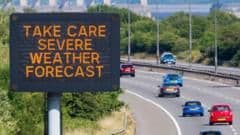
Wales Faces Disease-Carrying Mosquitoes and Deadly Heatwaves as Climate Crisis Deepens
Climate advisers are urging Wales' new government to urgently prepare for rising heat deaths, flooding, and disease risks as temperatures continue to climb.

Wales Must Act Now as Climate Threats Grow More Severe
Wales' newly formed government is facing mounting pressure to take meaningful action on climate preparedness, following a stark warning from the UK's independent Climate Change Committee (CCC). The advisory body says the country is dangerously underprepared for a future shaped by extreme heat, devastating floods, and even the arrival of disease-carrying mosquitoes.
Record-Breaking Temperatures Already Reshaping Wales
The warning comes as climate records continue to fall across the country. Wales recorded its warmest summer in history in 2025, following the hottest single day ever documented — 37.1°C in Hawarden, Flintshire, back in 2022. Strikingly, every one of Wales' ten hottest years on record has occurred since the early 2000s, a trend that climate scientists say shows no sign of reversing.
According to the CCC's updated report, punishing summer heat will become the new normal, with heatwaves lasting at least a week expected to occur regularly by the middle of this century.
Heat-Related Deaths Could Skyrocket Without Intervention
The human cost of inaction could be severe. Across the UK, heat-related excess deaths currently range between 1,400 and 3,000 annually. Without significant protective measures, that figure is projected to rise to between 3,000 and 10,000 deaths per year by 2050.
Should global greenhouse gas emissions remain unchecked and temperatures climb by 4°C before the end of the century, the toll could reach as high as 18,000 UK heat deaths per year. Parts of Wales could also become habitable environments for disease-carrying mosquitoes — a prospect once considered unthinkable in the region.
Urgent Need for Cooling Infrastructure in Care Settings
The CCC is calling for immediate investment in cooling solutions across hospitals, care homes, and schools. Recommendations range from installing air conditioning units to deploying practical measures such as shutters, blinds, and strategic tree planting to provide natural shade.
Sandra Evans, manager of Bryn Seiont Newydd nursing home in Caernarfon, highlighted how essential cooling systems already are for vulnerable residents. "It makes it bearable for our residents, because it can be really, really difficult during a heatwave," she said. She recalled working in facilities without air conditioning, where residents would become visibly distressed in high temperatures.
With warmer summers becoming increasingly likely, Evans stressed the importance of forward planning. "You've got to plan ahead and make sure you have all your provisions in place," she added.
The report also urges the UK government to establish a legally defined maximum workplace temperature to safeguard employees and encourage the wider rollout of cooling technologies.
Flooding, Wildfires, and Coal Tips Also Pose Major Risks
Heat is far from the only threat on the horizon. Wales already has approximately 245,000 properties at risk of flooding, a figure set to worsen as rainfall becomes more extreme during winter months and sea levels continue to rise along the coastline.
Coal tip landslides remain a serious concern as well, though the CCC acknowledged recent progress in Wales, including the creation of a disused tips register and a newly established authority dedicated to managing their long-term safety.
Farmers across Wales face a dual challenge of prolonged drought conditions and episodes of extreme wet weather, both of which threaten to disrupt food production. Meanwhile, wildfire seasons are predicted to grow longer and more intense, placing greater strain on already stretched emergency services.
Emergency Services Fear Being Pushed to the Limit
Frontline responders are already feeling the pressure. Sion Slaymaker, head of emergency response at Mid and West Wales Fire and Rescue Service, described climate change as something that is actively affecting operations right now. "The flooding is more severe, it affects a wider area and demands a greater resource allocation from ourselves. With wildfires, we've seen a significant increase in their duration and intensity," he said.
Gareth Tovey of the Fire Brigades Union in Wales echoed those concerns, warning that escalating climate incidents risk pushing fire and rescue services "past breaking point." He called on government bodies to significantly increase investment in emergency response capacity.
Experts and Campaigners Call for Immediate Government Action
Environmental campaigners are urging Wales' new government to treat climate adaptation as a matter of urgent national priority. Shea Buckland-Jones of WWF Cymru said the CCC's report exposed the inadequacy of current plans, describing them as "not fit for purpose." He called on the incoming administration to demonstrate strong climate leadership within its first 100 days in office.
Future Generations Commissioner Derek Walker was equally direct, stating that Wales is failing to adapt to climate change "at the scale and pace required." He warned that continuing to ignore the need for resilience-building would amount to "mass negligence."
The Welsh government, for its part, responded by affirming its commitment to "improving our nation's preparedness" — though critics say words must now be followed by concrete, funded action.
What This Report Means Going Forward
The CCC's latest publication updates guidance issued five years ago and serves as a critical resource for risk assessments and climate planning across all four UK nations. For Wales, the message is unambiguous: the window for proactive preparation is narrowing, and the consequences of delay will be measured in lives, livelihoods, and communities left vulnerable to an increasingly hostile climate.