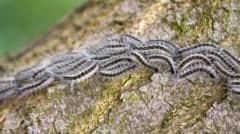
Toxic Caterpillars Trigger Public Health Warning Across South-East England
Residents in Surrey are being urged to stay alert as toxic oak processionary moth caterpillars emerge, posing serious health risks to people and animals.

Residents in Surrey are being urged to stay alert as toxic oak processionary moth caterpillars emerge, posing serious health risks to people and animals.

Jeff Bezos' New Glenn rocket exploded during a pre-launch engine test in Cape Canaveral, rattling nearby homes and threatening upcoming NASA moon missions.

Happy, the Bronx Zoo elephant who made scientific history by recognizing herself in a mirror, has been euthanized at age 55 after decades of groundbreaking contributions to animal science.

One of Europe's largest illegal landfill sites remains without a clear remediation plan as politicians express frustration over the lack of progress.

A deadly combination of heat domes and accelerating climate change is pushing European temperatures to jaw-dropping extremes that scientists say are arriving faster than predicted.

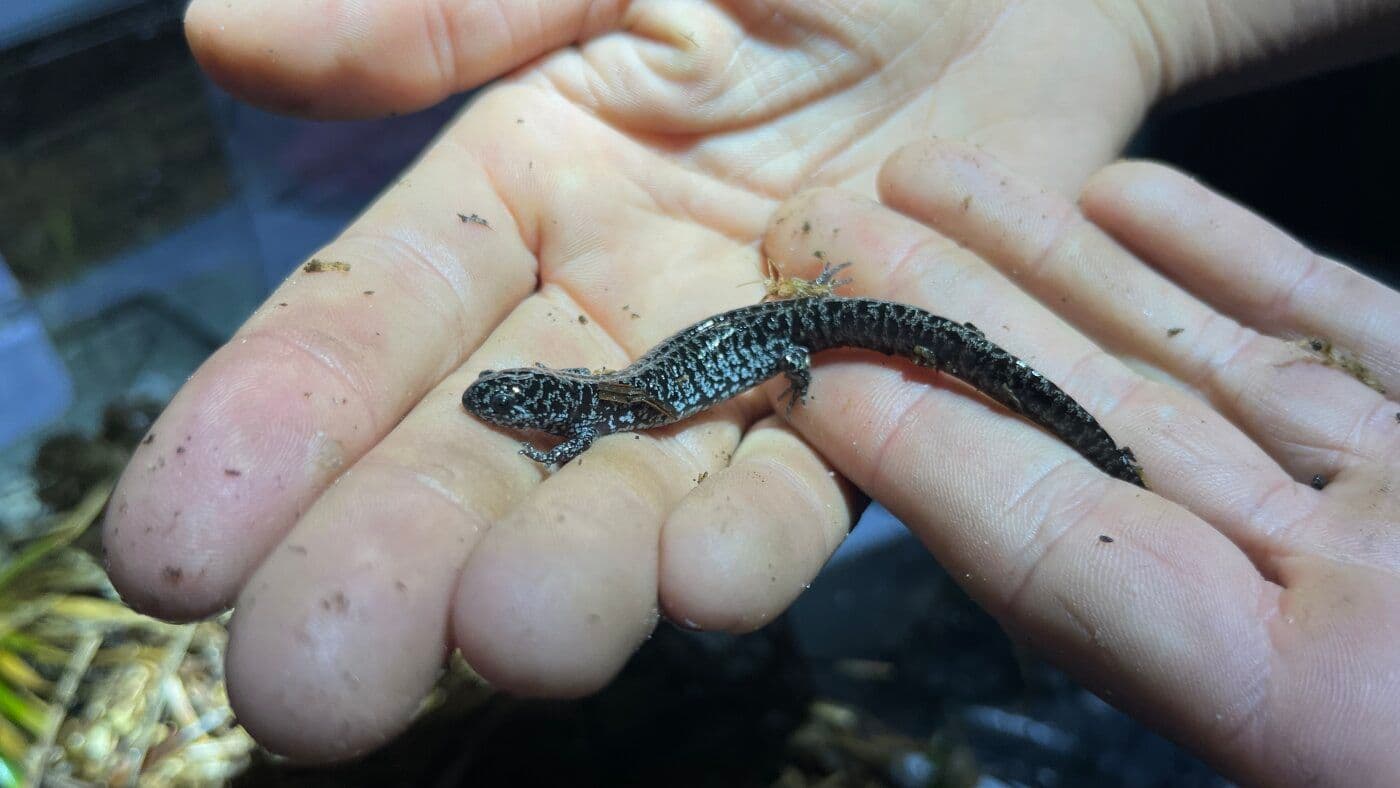
A tiny, secretive salamander is teetering on the edge of extinction. Meet the scientists risking everything to pull it back from the brink.

After thousands of bank holiday visitors descended on New Brighton beach, volunteers were left overwhelmed by the sheer volume of abandoned litter, tents, and clothing.

Researchers in Japan have developed enhanced vitamin K compounds three times more powerful at regenerating neurons, offering new hope for Alzheimer's and Parkinson's patients.

Texas A&M researchers developed a nasal spray that reverses brain aging, restores memory, and fights inflammation — with effects lasting months after just two doses.

NASA has awarded hundreds of millions in contracts to build a sprawling moon base, with rovers and drones set to arrive before the first astronaut landing in 2028.

Faulty household plumbing connections are secretly channeling untreated sewage into urban rivers. Here's what you need to know about this invisible pollution crisis.

USC researchers have pinpointed a key enzyme driving Alzheimer's-linked brain inflammation, along with experimental compounds that could shut it down.