Toxic Caterpillars Trigger Public Health Warning Across South-East England
Residents in Surrey are being urged to stay alert as toxic oak processionary moth caterpillars emerge, posing serious health risks to people and animals.
Toxic Caterpillars Trigger Public Health Warning Across South-East England
Authorities in Surrey are urging the public to exercise caution following the seasonal emergence of oak processionary moth (OPM) caterpillars — a species whose microscopic hairs carry toxins capable of causing a range of unpleasant and potentially serious health reactions.
What Are Oak Processionary Moth Caterpillars?
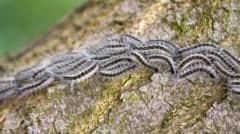
The oak processionary moth caterpillar is a small but hazardous insect primarily found on oak trees throughout south-east England. Active during late spring and into early summer, these larvae are most commonly spotted in colonies moving in characteristic procession-like lines across tree trunks and branches.
Their threat lies in their tiny, hair-like bristles, which are laced with toxins. Direct contact or even accidental inhalation of these hairs can trigger itchy skin rashes, sore throats, eye irritation, and in more severe cases, difficulty breathing.
Health Risks to People and Pets
While the danger level is considered relatively low for those who maintain a safe distance, the consequences of close contact can be significant. Ellen Nicholson, Woking Borough Council's portfolio holder for green spaces, emphasized the importance of public awareness.
"Whilst the risks are generally low if you keep your distance, it's important that people know how to recognize the caterpillars and what to do if they see them," she said.
Residents are strongly advised to:
- Avoid all direct contact with caterpillars or their nests
- Keep children and pets away from trees that appear to be affected
- Never attempt to remove nests independently, as this can increase the risk of exposure
- Report any sightings promptly to the appropriate local authority
How and Where to Report Sightings
Proper reporting is a critical part of managing the spread of this pest. If an OPM nest is discovered on private land, residents should contact the Forestry Commission directly. For nests found on public land within the Woking area, reports should be directed to the local Neighbourhood Team.
"By reporting sightings and keeping a safe distance, residents can play an important part in helping the relevant authority manage the issue," Nicholson added.
A Growing Concern Since 2005
The oak processionary moth is not native to the United Kingdom. It was accidentally introduced to England in 2005 and has since established a notable presence across much of Greater London and several surrounding counties. In response, the government launched a dedicated programme of survey and population control to limit the species' spread and reduce its impact on both public health and the environment.
According to a spokesperson from Forest Research: "The remainder of the United Kingdom is designated as an area free from the pest, with special restrictions on movements of oak plants to minimise the risk of introducing OPM to new areas."
Stay Informed and Stay Safe
As the warmer months approach, public vigilance remains one of the most effective tools in containing this invasive species. If you spot OPM caterpillars or their distinctive silken nests, do not approach them — report the sighting immediately and allow trained professionals to handle their safe removal.