Hidden Plumbing Faults Are Quietly Poisoning Urban Waterways
Faulty household plumbing connections are secretly channeling untreated sewage into urban rivers. Here's what you need to know about this invisible pollution crisis.

The Silent Threat Beneath Our Streets
Beneath the surface of many urban neighborhoods, a hidden plumbing crisis is unfolding — one that most homeowners don't even know exists. Incorrectly connected drainage pipes are quietly routing untreated household wastewater directly into local rivers, bypassing sewage treatment systems entirely and causing serious environmental damage.
These so-called "misconnections" occur when wastewater outlets are accidentally or incorrectly plumbed into surface drainage systems rather than the main sewer network. The result is a direct pathway for harmful pollutants — including raw sewage, chemical detergents, and physical debris — to flow straight into nearby waterways.
London's Wandle River Bearing the Brunt
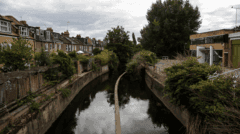
One waterway feeling the full force of this problem is the River Wandle, a 12-mile chalk stream that flows through south-west London from Carshalton to the Thames at Wandsworth. Dr. Isobel Ollard of the South East Rivers Trust (SERT) has warned that misconnections are a growing threat to this rare and delicate ecosystem.
A recent incident at Watermeads Nature Reserve — which feeds directly into the Wandle — highlighted the severity of the issue. A milky, cloudy discharge was observed trickling from a concrete outlet into the river. According to Dr. Ollard, the pale color of the liquid strongly suggested it originated from a washing machine in a nearby property that had been incorrectly wired into the drainage network, allowing detergent-laden wastewater to bypass treatment and enter the river unchecked.
Containment booms deployed by Thames Water managed to limit the spread of the discharge downstream, but contamination of the water remained a concern.
Why Chalk Rivers Are Especially Vulnerable
The Wandle is not just any river. Chalk streams are among the world's rarest and most ecologically sensitive freshwater habitats, with only approximately 200 known to exist globally. These environments support rich biodiversity and are highly susceptible to even minor pollution events. When detergents, sewage, or chemical waste enter these systems untreated, the damage to aquatic wildlife and river ecosystems can be swift and severe.
Tracking Down the Source Is Rarely Simple
One of the biggest challenges with misconnections is identifying where the problem originates. Dr. Ollard explained that tracing pollution back to its source is a painstaking process that typically only begins once visible contamination is already present in a river.
"It's hard to track," she noted. "You can only find out once you see the discharge."
Thames Water holds responsibility for investigating suspected misconnections and tracing them back through the drainage network. Over the past three years alone, the utility company has investigated more than 20 suspected cases. Across a five-year period, Thames Water identified as many as 2,294 plumbing misconnections throughout Greater London.
Homeowners Left Facing Costly Repairs
Perhaps most troubling is the fact that many property owners are entirely unaware their home has a misconnection. Older houses in particular may carry historic plumbing errors that have gone undetected for decades, and these faults are rarely flagged during standard property surveys.
This means buyers can unknowingly purchase a home with a drainage defect — only to receive a letter later informing them that a misconnection has been identified and that they are legally required to fix it. The cost of remedying the problem can run into thousands of pounds, placing an unexpected financial burden on unsuspecting homeowners.
Once Thames Water identifies and traces a misconnection to a specific property, the legal responsibility for rectifying the fault falls on the homeowner.
What Residents and Buyers Can Do
Leonie Cooper, Labour London Assembly Member for Merton and Wandsworth and Deputy Chair of the Environment Committee, has called on residents to take proactive steps. She urged homeowners and prospective buyers to verify that their drainage systems are correctly installed, particularly when undertaking renovation work or purchasing a new property.
Dr. Ollard also encouraged communities to reconnect with their local rivers as a means of building awareness around pollution issues. Greater public engagement, she argued, translates directly into stronger environmental stewardship.
"The more we notice and care about our rivers, the better we are able to protect them," she said.
Thames Water's Response
A spokesperson for Thames Water confirmed the company's active role in addressing the problem, stating that all pollution reports are investigated within two hours of being received. The company said it works closely with property owners and local authorities to resolve third-party issues, with more complex cases handled through its dedicated Surface Water Outfall Programme.
The company also emphasized its commitment to community engagement, supporting local initiatives aimed at raising awareness and involving residents in protecting their surrounding environment.