Engineered Probiotic Bacteria Could Become Powerful Cancer-Fighting Agents
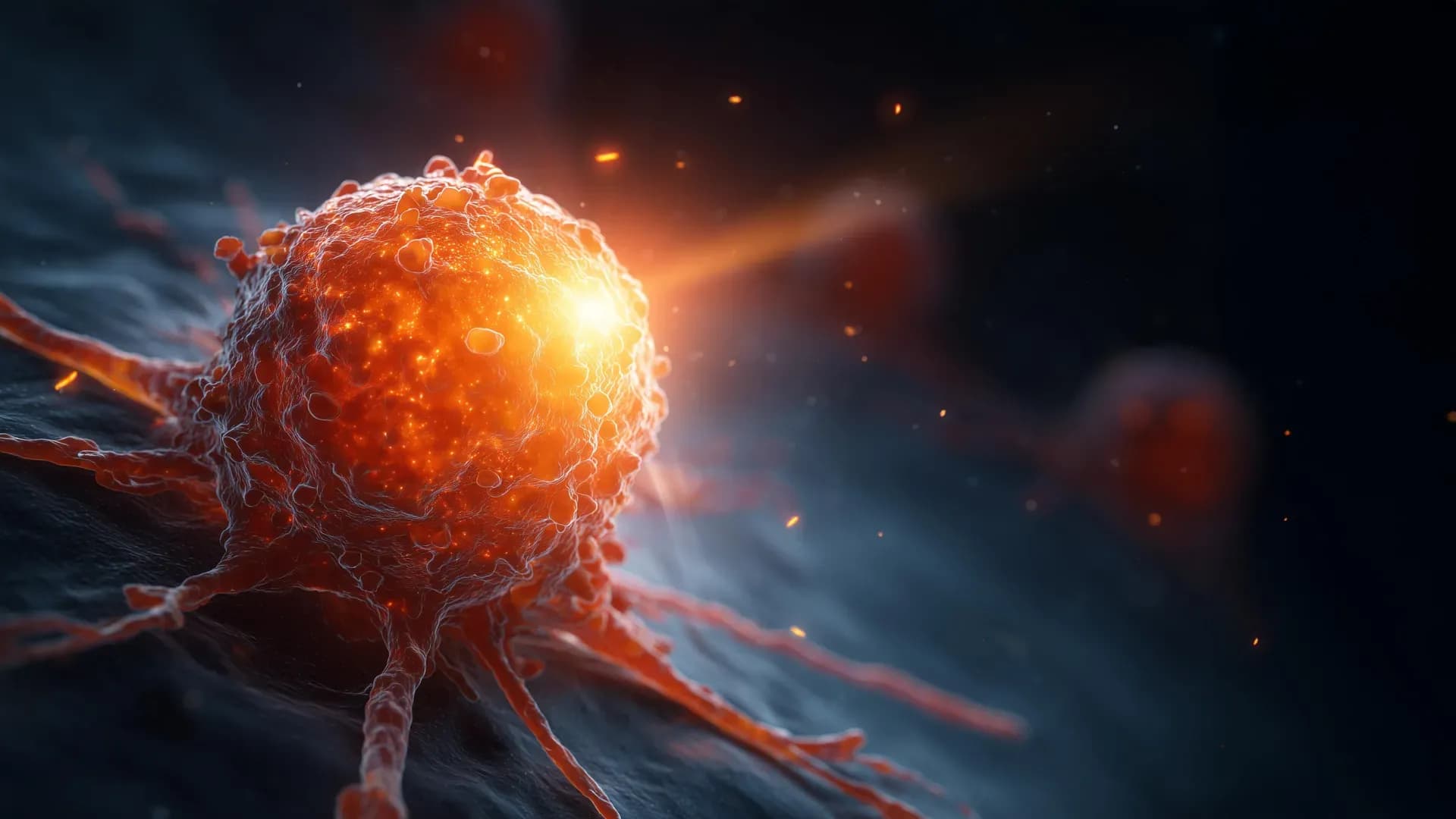
Scientists have reprogrammed gut-friendly bacteria to seek out tumors and deliver cancer-killing drugs directly to the source — with promising results in mice.

Scientists have reprogrammed gut-friendly bacteria to seek out tumors and deliver cancer-killing drugs directly to the source — with promising results in mice.

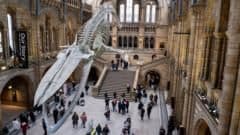
London's Natural History Museum shattered visitor records in 2025, welcoming over 7.1 million guests to claim the title of the UK's most visited attraction.

From climate-adaptive wildflowers to shark social behavior, NPR's Short Wave breaks down the week's most fascinating science stories.

A major U.S. study reveals that consuming nine or more servings of ultra-processed foods daily dramatically increases the risk of heart attacks, strokes, and cardiac death.

Hundreds of fish died in a Cambridgeshire waterway due to toxic ammonia levels. Now an MP is demanding to know why no one has faced legal consequences.

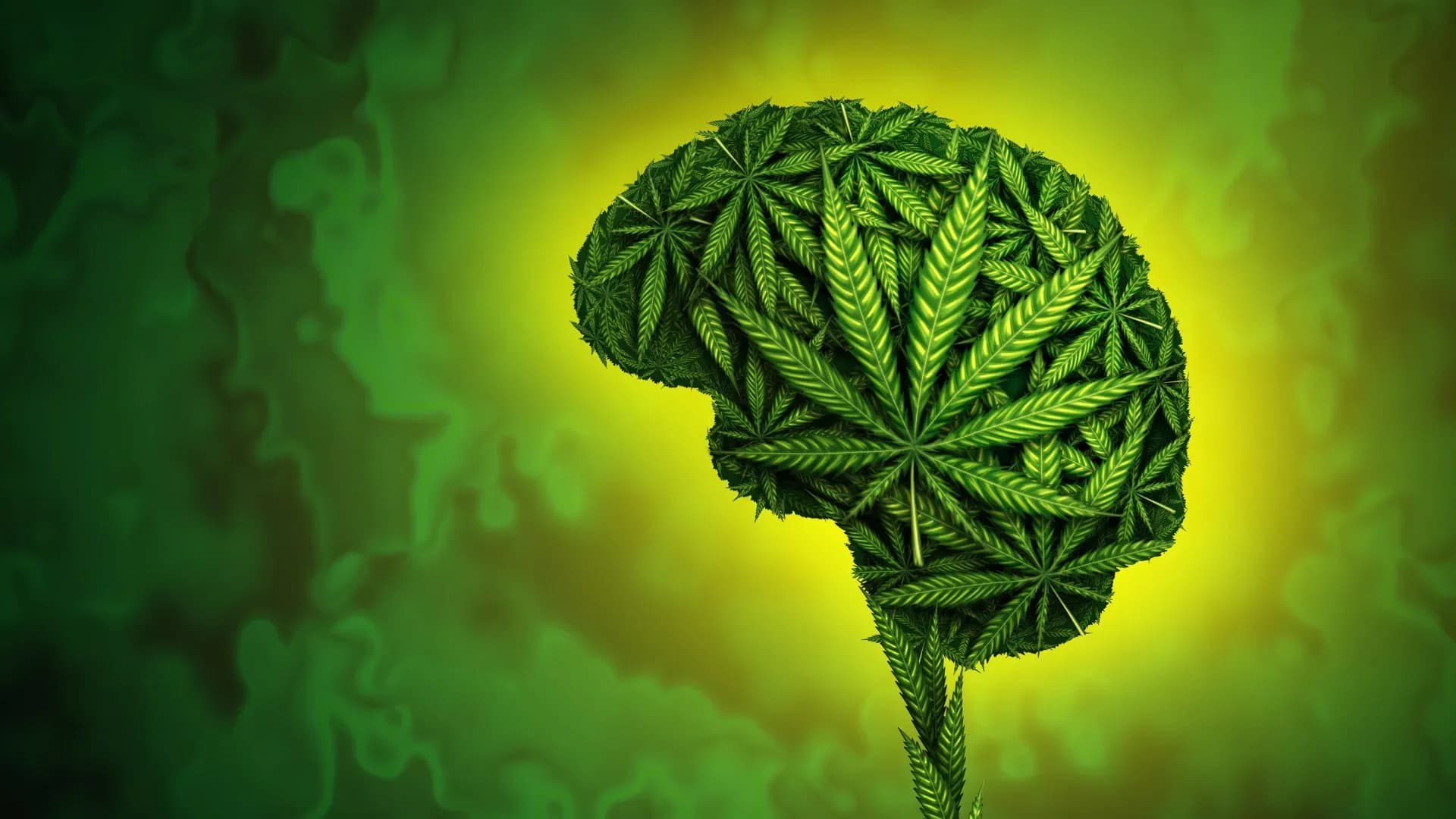
The most comprehensive review of medicinal cannabis to date finds little evidence it helps mental health conditions — and may actually cause harm.

The UK government has launched a national waste crime action plan, committing public funds to clean up three massive illegal rubbish dumps across England.

A coalition of 36 states and local governments has filed a lawsuit challenging the Trump administration's decision to repeal a landmark 2009 greenhouse gas ruling.

Northern Ireland has approved a sweeping new climate adaptation programme featuring 280 targeted actions to strengthen resilience against escalating climate impacts.

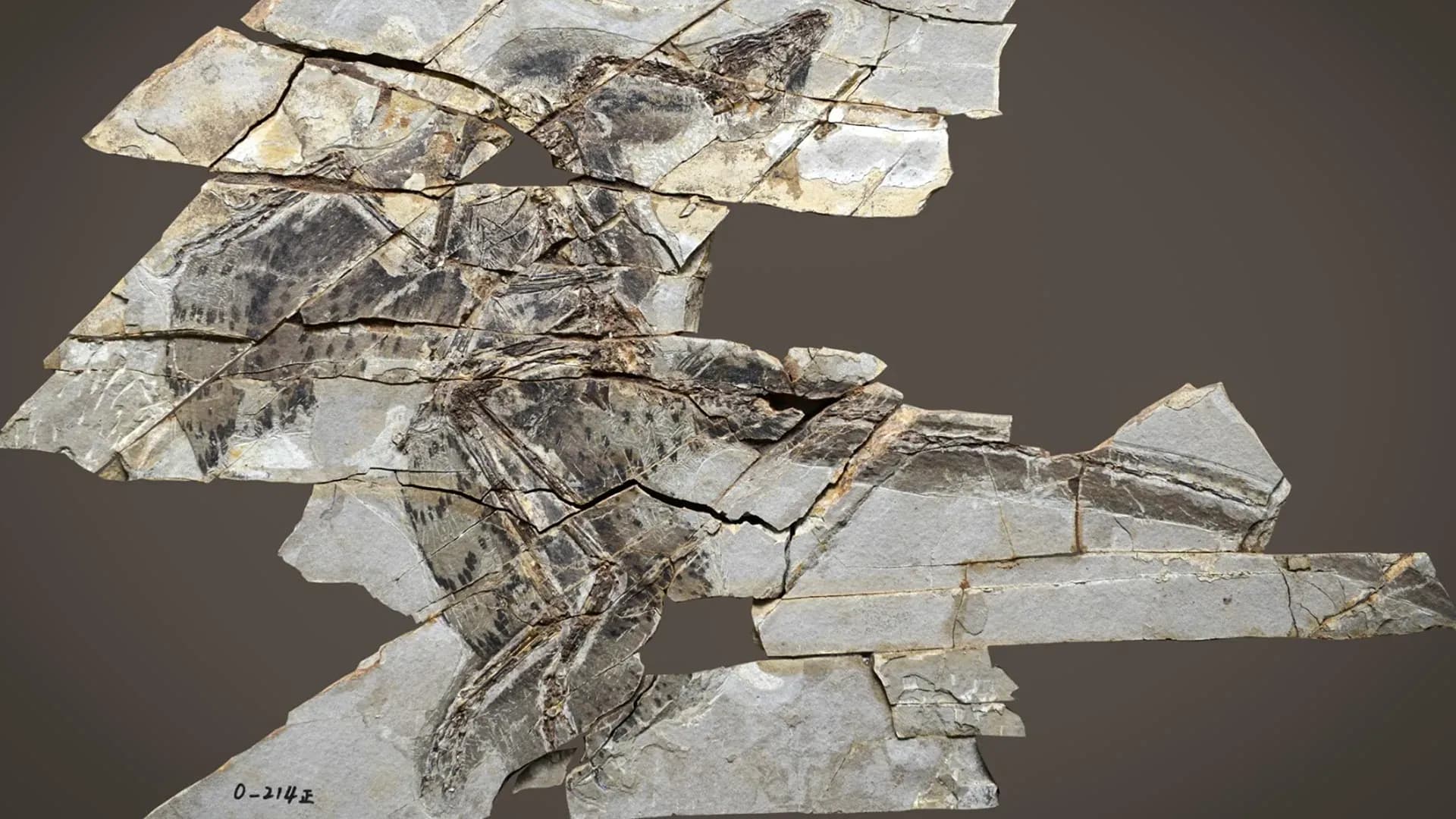
Some feathered dinosaurs evolved wings only to lose the ability to fly. New fossil evidence from ancient molting patterns is rewriting the story of flight.

England has officially opened a 2,689-mile coastal footpath — the longest managed coastal walking route on Earth — giving the public unprecedented access to the entire English shoreline.

Kepler-51d, a bizarre ultra-light exoplanet, is wrapped in haze so thick that even the most powerful space telescope ever built can't see through it.