Top Tennis Stars Stage Media Boycott at French Open Over Prize Money Dispute
World-class tennis players including Sabalenka, Gauff, and Sinner limited press appearances to 15 minutes at Roland Garros to protest unfair prize money distribution.
Tennis Elites Take a Stand at Roland Garros Over Revenue Sharing
Some of the biggest names in professional tennis made a bold statement at this year's French Open, deliberately cutting their media appearances short as part of a coordinated protest against what they consider an unfair distribution of tournament revenue in prize money.
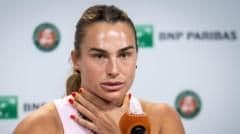
World number one Aryna Sabalenka was among the most prominent figures to follow the so-called 'work-to-rule' directive, walking out of her pre-tournament press conference after just 15 minutes. The symbolic timeframe was no accident — it directly references the 15% of revenue that Roland Garros currently allocates toward prize money, a figure the players argue falls well short of what they deserve.
A Unified Message from the World's Best
Sabalenka was joined by fellow top-ranked stars including men's world number one Jannik Sinner, reigning French Open women's champion Coco Gauff, and four-time Roland Garros title holder Iga Swiatek, all of whom honored the collective action during Friday's official media day.
The Belarusian star, who has been one of the most vocal advocates in this ongoing dispute, split her 15-minute allowance between a five-minute on-camera interview with the host broadcaster and a 10-minute session with print journalists. Before wrapping up, she ensured reporters from her home country also had the opportunity to ask questions.
"We just wanted to make our point and we are united — 15 minutes is better than zero," Sabalenka stated, adding that she holds deep respect for the media while standing firmly behind the players' cause.
Gauff expressed pride in the solidarity shown across what is traditionally a highly individualistic sport. "I'm proud that we were all able to get on the same page," the 22-year-old American said, underscoring the collective resolve driving the movement.
Sinner cited a lack of "respect" toward players as a motivating factor, while American world number eight Taylor Fritz said the group acted because they "felt ignored" in their attempts to negotiate a fairer deal.
Djokovic Offers Moral Support Without Participating
Notably, 24-time Grand Slam champion Novak Djokovic — a longtime champion of players' rights — did not take part in the action, explaining that he had not been involved in the planning or decision-making process leading up to it.
"I haven't been part of the process, the conversation, the planning or decision-making so I can't comment on that," Djokovic said. However, he reaffirmed his unwavering support for the broader cause, stating he has always advocated for players' rights and a better future for those in the sport. He also reminded observers how few tennis professionals actually earn a sustainable living from the game.
What the Players Are Demanding
The 15-minute media cap represents the latest escalation in a dispute that has been building for some time. Players held an initial round of talks with Grand Slam representatives last year, but progress has been slow and frustrations have grown. The core demands from the group of top-20 players center around three key areas:
- Prize Money: Players are calling for a significantly higher ratio of prize money relative to tournament revenue, with particular emphasis on ensuring lower-ranked competitors receive a larger share of the financial pie.
- Player Welfare: The group is pushing for greater Grand Slam contributions to pension funds, healthcare provisions, and maternity support.
- Greater Consultation: Players want a meaningful voice in major decisions affecting tournament structures, including grueling scheduling, late-night match finishes, and the overall length of events.
Collectively, the players have asked all four Grand Slams to commit to distributing 22% of their revenue as prize money by the year 2030. This year's French Open did raise its prize fund by 9.5%, but that increase pales in comparison to the 20% boost seen at last year's US Open and the nearly 16% rise at January's Australian Open.
Tournament Officials Respond
French Open tournament director and former tennis star Amélie Mauresmo described her reaction to the protest as one of genuine sadness, though she expressed confidence that a resolution can ultimately be reached. Mauresmo and French Tennis Federation president Gilles Moretton were scheduled to sit down with Larry Scott — the former WTA chairman now representing the players in negotiations — on Friday, signaling that dialogue, at least, remains open.
With Sabalenka having previously warned that players could boycott a Grand Slam "at some point" if the situation remains unresolved, the pressure on tournament organizers to act is mounting. The tennis world will be watching closely to see whether this week's protest marks a turning point in the long-running battle for a fairer share of the sport's growing financial rewards.
