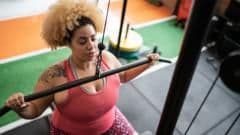
Just Two Hours of Weight Training Weekly Could Add Years to Your Life
New research reveals that as little as 90 minutes of strength training per week can dramatically cut your risk of premature death. Here's what the science says.

Can Lifting Weights Just Twice a Week Help You Live Longer?
Most people already know that going for a run or jumping on a bike is good for your heart. But what about lifting weights? Emerging research now suggests that incorporating regular strength training into your weekly routine could be one of the most powerful things you do for your long-term health — and it doesn't even require hours in the gym.
What the Research Found
A major study published in the British Journal of Sports Medicine analyzed data from three large-scale studies tracking 147,374 men and women over a period of three decades. The findings were striking.
Participants who consistently performed between 90 minutes and two hours of resistance or weight-based exercise each week experienced:
- A 13% reduction in the risk of premature death from any cause
- A 19% lower risk of dying from cardiovascular disease, such as heart attack or stroke
- A 27% decrease in the risk of death from neurological conditions, including dementia
Those who combined high levels of both aerobic exercise and strength training saw even more dramatic results — their overall risk of early death fell by as much as 58%.
Interestingly, the research also found a ceiling effect: doing more than two hours of weight training per week offered no additional protective benefit beyond what was already gained.
Why Strength Training Matters Beyond the Gym
While aerobic exercise — running, swimming, cycling — has long been celebrated for its cardiovascular benefits, the role of strength-based training in reducing mortality risk has historically received far less attention. This new body of evidence helps fill that gap, reinforcing the idea that building muscle is about far more than physical appearance.
Kate Hogarth, 28, is already thinking ahead. She regularly trains with weights and understands the long-term investment she's making in her own health.
"I want to be independent later in life. There are so many studies showing the benefits of strength training — for your cardiovascular health, your muscles, your bones, your mental health. I want to be travelling the world in my 70s, 80s and 90s and still be able to pick up my grandkids."
Real-World Benefits Seen by Fitness Professionals
Those working directly with clients in the fitness industry say they witness these benefits firsthand. Bev Wilson, a personal trainer based in Harrogate, North Yorkshire, regularly sees transformative results among her clients — particularly women.
"Many of my clients come to me struggling with joint pain, low energy, or unexplained weight gain," she explains. "Strength training helps regulate blood sugar levels, strengthens bones, and eases joint discomfort. They leave feeling stronger, more vibrant, and more energetic."
Wilson also highlights the cognitive benefits that often go unrecognized. "Clients report noticeable improvements in concentration and memory. It's not just physical — their mental sharpness improves too."
A Tool for Healthier Ageing and Stronger Communities
The implications of this research stretch beyond individual health. Tom Burton, strategic lead for health and wellbeing policy at Sport England, emphasized that physical activity — including strength training — has a broader societal value.
"Strength-based physical activity is a powerful tool, particularly when it comes to healthy ageing," he said. "It helps prevent or delay the onset of poor health, keeps people mobile and independent, and reduces pressure on already overstretched health and care services."
How Much Do You Actually Need?
The good news is that the threshold for meaningful benefit is surprisingly achievable. According to this research, somewhere between 90 minutes and two hours per week appears to be the sweet spot — that's roughly two moderately-paced sessions of 45 to 60 minutes.
Combining that with regular aerobic activity amplifies the benefits significantly, making a well-rounded exercise routine one of the most effective strategies for long-term health and longevity.
Whether you're picking up a barbell for the first time or looking to fine-tune your existing routine, the evidence is clear: strength training is no longer optional if living a longer, healthier, more independent life is the goal.