Your Gut Microbiome: 8 Essential Facts for Better Health
The gut microbiome influences far more than digestion. Here's what science actually says about keeping it healthy — and what to ignore.

What Your Gut Microbiome Really Does — And How to Keep It Thriving
Scroll through any wellness feed and you'll inevitably encounter someone urging you to "heal your gut." Supplement brands hawk probiotics, at-home testing kits promise personalized microbiome insights, and influencers swear by elaborate protocols for digestive repair. But how much of this is grounded in real science?
The truth is both more nuanced and more fascinating than most wellness content lets on.
What Exactly Is the Gut Microbiome?
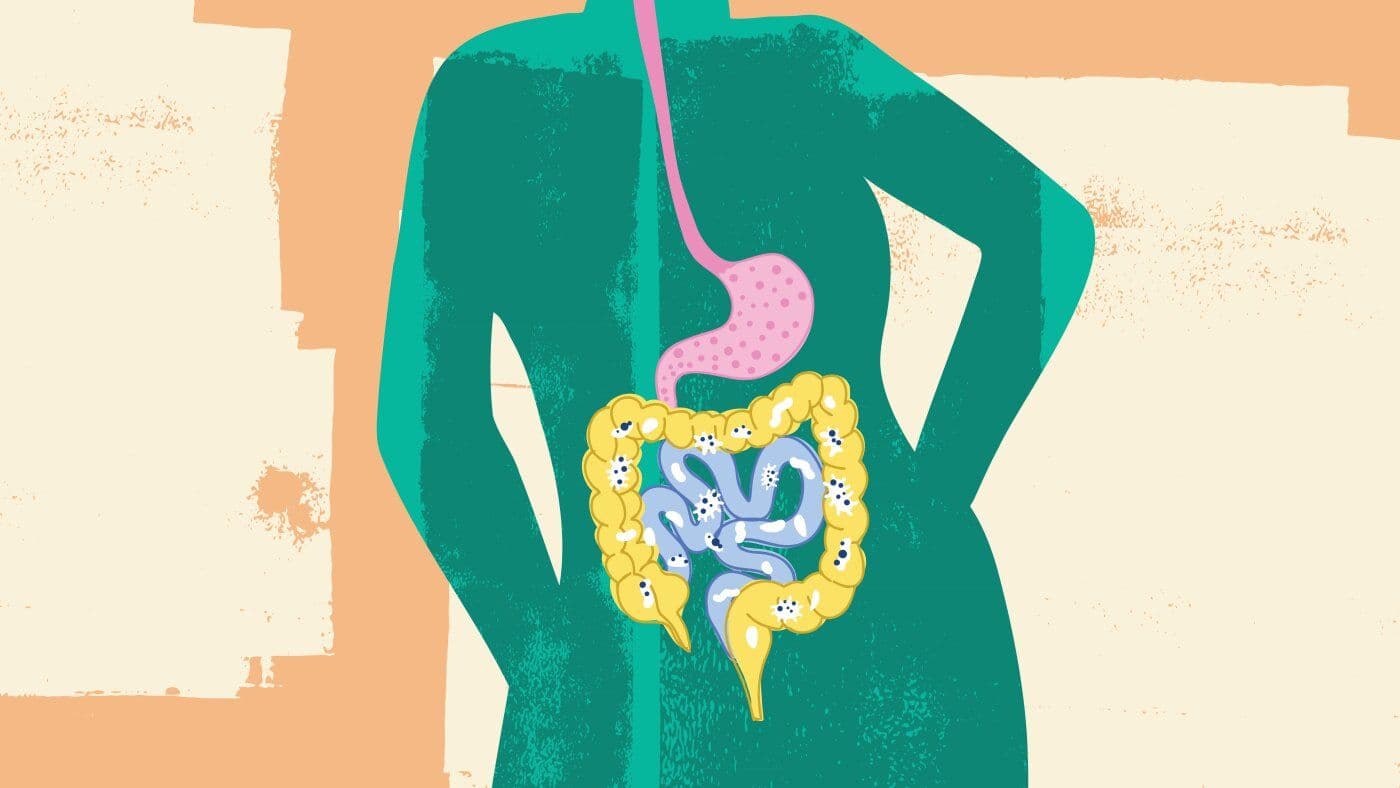
Deep within your intestines lives an extraordinary ecosystem — trillions of bacteria, viruses, fungi, and other microorganisms collectively known as the gut microbiome. This internal community is far more than a digestive aid. Research increasingly shows it plays a meaningful role in regulating your immune system, influencing your mood, shaping cognitive function, and even affecting your metabolism.
In short, what lives in your gut has a significant say in how your entire body operates.
8 Things the Evidence Actually Shows
1. Every Microbiome Is Unique
There is no single "healthy" gut microbiome that everyone should strive for. In perfectly healthy individuals, the composition of gut bacteria can vary dramatically from person to person. Geography, dietary habits, lifestyle choices, genetics, and even early childhood exposures all shape the specific microbial fingerprint you carry.
2. Diversity Generally Signals Good Health
While no universal standard exists, scientists broadly agree that a more diverse microbiome tends to be a healthier one. A wide variety of microbial species appears to support resilience, immune balance, and metabolic efficiency.
3. Diet Is the Most Powerful Tool You Have
Of all the factors within your control, what you eat has the greatest influence on your gut microbiome. Diets rich in fiber, fermented foods, legumes, and a wide range of fruits and vegetables consistently support microbial diversity. Highly processed foods, excess sugar, and low-fiber diets tend to have the opposite effect.
4. Antibiotics Have a Real Impact
Antibiotics are life-saving medications, but they don't discriminate between harmful bacteria and beneficial gut microbes. A single course can significantly disrupt the microbiome, sometimes for months. This doesn't mean avoiding necessary treatment — it simply underscores the importance of not using antibiotics unnecessarily.
5. Stress Affects Your Gut — And Vice Versa
The gut-brain axis is a well-documented bidirectional communication system. Chronic stress can alter the composition of your gut microbiome, while imbalances in gut bacteria may contribute to anxiety and mood disturbances. Managing stress isn't just good for your mental health — it's good for your gut too.
6. Most Probiotic Supplements Have Limited Evidence
Despite billions in annual sales, the evidence supporting over-the-counter probiotic supplements for generally healthy people remains relatively thin. Certain strains have demonstrated benefits for specific conditions, but taking a generic probiotic capsule is unlikely to dramatically transform your gut health.
7. At-Home Gut Tests Are Not Yet Clinically Reliable
Microbiome testing kits have become a booming industry, but experts caution that the science hasn't yet reached the point where consumer-grade tests can reliably diagnose gut imbalances or guide meaningful treatment. Results can vary between labs and lack standardized clinical interpretation.
8. Small, Consistent Habits Matter Most
Rather than dramatic interventions or expensive protocols, the most effective strategy for supporting your gut microbiome involves consistent, everyday choices — eating more fiber, staying physically active, getting adequate sleep, managing stress, and minimizing unnecessary antibiotic use.
The Bottom Line
Your gut microbiome is a genuinely remarkable and important aspect of your overall health. The science is real, even if much of the wellness industry's messaging around it is overblown. Focus on evidence-based habits, approach bold marketing claims with healthy skepticism, and remember that sustainable gut health is built day by day — not bought in a bottle.