Your Body Starts Declining at 35 — But Science Says It's Never Too Late to Fight Back
A landmark 47-year Swedish study reveals physical fitness begins fading at 35 — but getting active later in life can still boost performance by up to 10%.

The Moment Your Body Quietly Begins to Change
Most people assume physical decline is something that creeps up gradually in old age. But a landmark study spanning nearly five decades suggests the process begins far earlier — and more quietly — than most of us expect.
New research out of Sweden has pinpointed age 35 as the turning point when fitness, muscular strength, and endurance begin their slow but steady retreat. The findings offer a sobering look at human aging — yet they also carry a genuinely hopeful message for anyone who hasn't yet made exercise a priority.
A Nearly 50-Year Scientific Journey
The study was conducted at Karolinska Institutet as part of the Swedish Physical Activity and Fitness (SPAF) project — one of the most comprehensive long-term physical performance studies ever undertaken. Researchers followed several hundred randomly selected Swedish men and women from age 16 all the way to 63, conducting repeated fitness and strength assessments over a 47-year period.
The findings were published in the Journal of Cachexia, Sarcopenia and Muscle.
What makes this research particularly valuable is its methodology. Most studies examining aging and physical performance rely on cross-sectional data — essentially comparing different people at different ages at a single point in time. The SPAF project took a fundamentally different approach, tracking the same individuals across decades. This allowed scientists to build a far more accurate and nuanced picture of how the human body truly changes through adulthood.
When the Decline Begins — and How It Progresses
The data told a consistent story: physical capacity begins to decrease around age 35, regardless of a person's training history or background. From that point forward, the decline is gradual at first but becomes increasingly pronounced with age.
Researchers measured three key indicators of physical health:
- Cardiovascular fitness
- Muscular strength
- Muscle endurance
All three followed a similar downward trajectory over time, confirming that the body's physical peak is reached earlier in adulthood than many people realize.
The Encouraging Twist: Exercise Still Works at Any Age
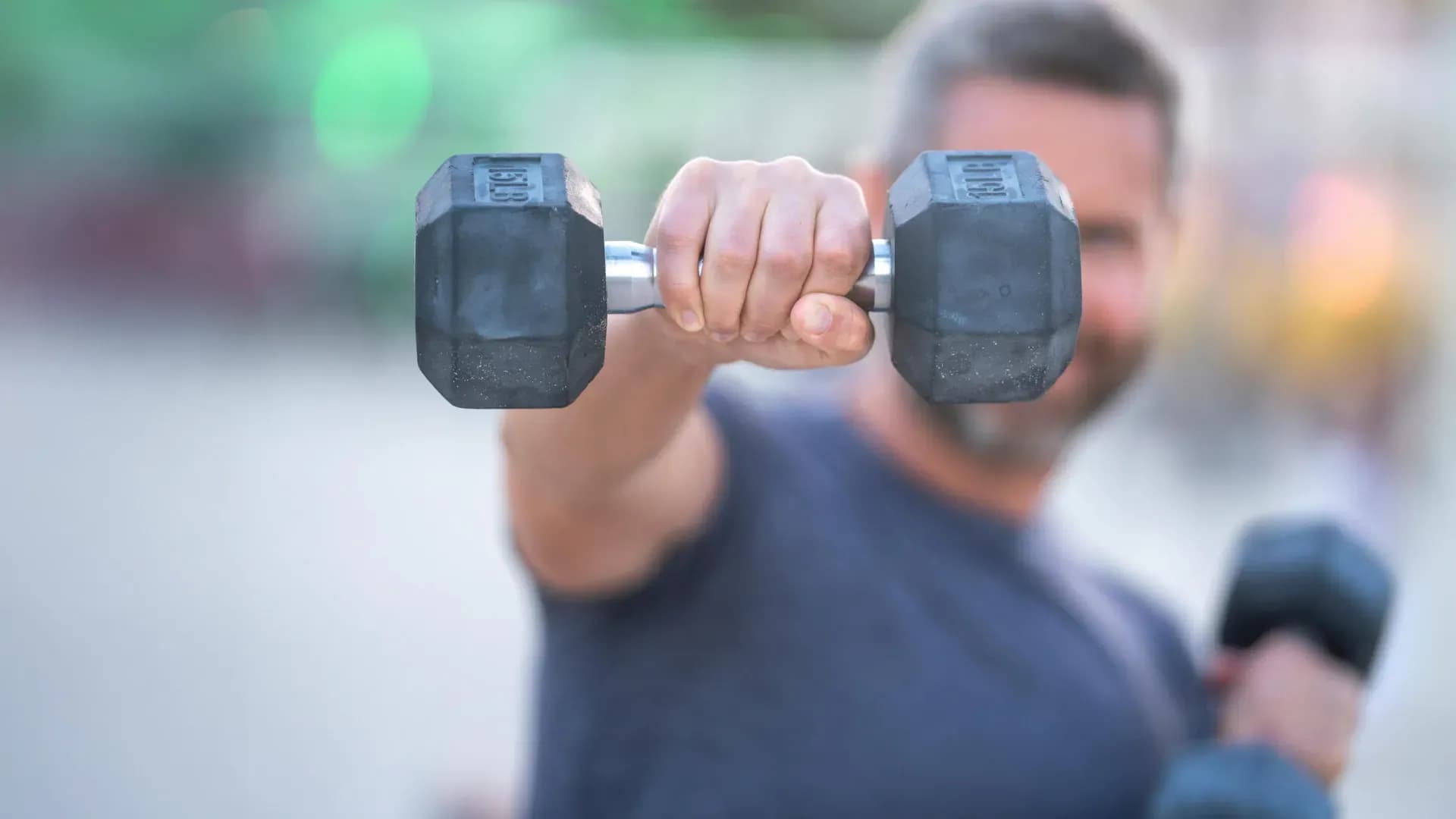
Despite the inevitability of age-related decline, the study delivered a powerful and encouraging counter-finding. Participants who adopted an active lifestyle during adulthood — even if they hadn't been particularly athletic before — were able to improve their physical capacity by 5 to 10 percent.
While exercise cannot fully stop the clock, it can meaningfully slow the rate of decline and deliver real, measurable gains in physical performance at virtually any age.
Lead author Maria Westerståhl, a lecturer at the Department of Laboratory Medicine at Karolinska Institutet, emphasized the practical takeaway:
"It is never too late to start moving. Our study shows that physical activity can slow the decline in performance, even if it cannot completely stop it. Now we will look for the mechanisms behind why everyone reaches their peak performance at age 35 and why physical activity can slow performance loss but not completely halt it."
What Comes Next
The research team is not done yet. Scientists plan to continue following the same participants as they move deeper into older age. The group is scheduled to be tested again next year, when participants will have reached 68 years old.
Researchers hope the continued data will shed light on how biological processes, overall health, and long-term lifestyle habits collectively shape the way physical performance evolves across a lifetime — ultimately helping to inform better, more targeted guidance on healthy aging.
The Bottom Line
If you're approaching or have passed your mid-30s, the science is clear: decline is natural, but it is not inevitable at the rate you might fear. Staying active — or starting now — remains one of the most effective tools available to preserve strength, fitness, and quality of life well into your later years.