Yeasound RIC800 Hearing Aids Review: Impressive Sound, Frustrating App
The Yeasound RIC800 hearing aids deliver solid audio performance at a competitive price — but persistent app connectivity issues threaten to overshadow the experience.

Yeasound RIC800 Hearing Aids Review: Impressive Sound, Frustrating App
The Yeasound RIC800 hearing aids arrive with a lot of promise — and for the most part, the hardware delivers. Priced at $599, these over-the-counter (OTC) devices offer above-average audio performance and a streamlined setup experience. The catch? A mobile app that can turn a smooth day of hearing assistance into a troubleshooting exercise.
Build Quality and Physical Design
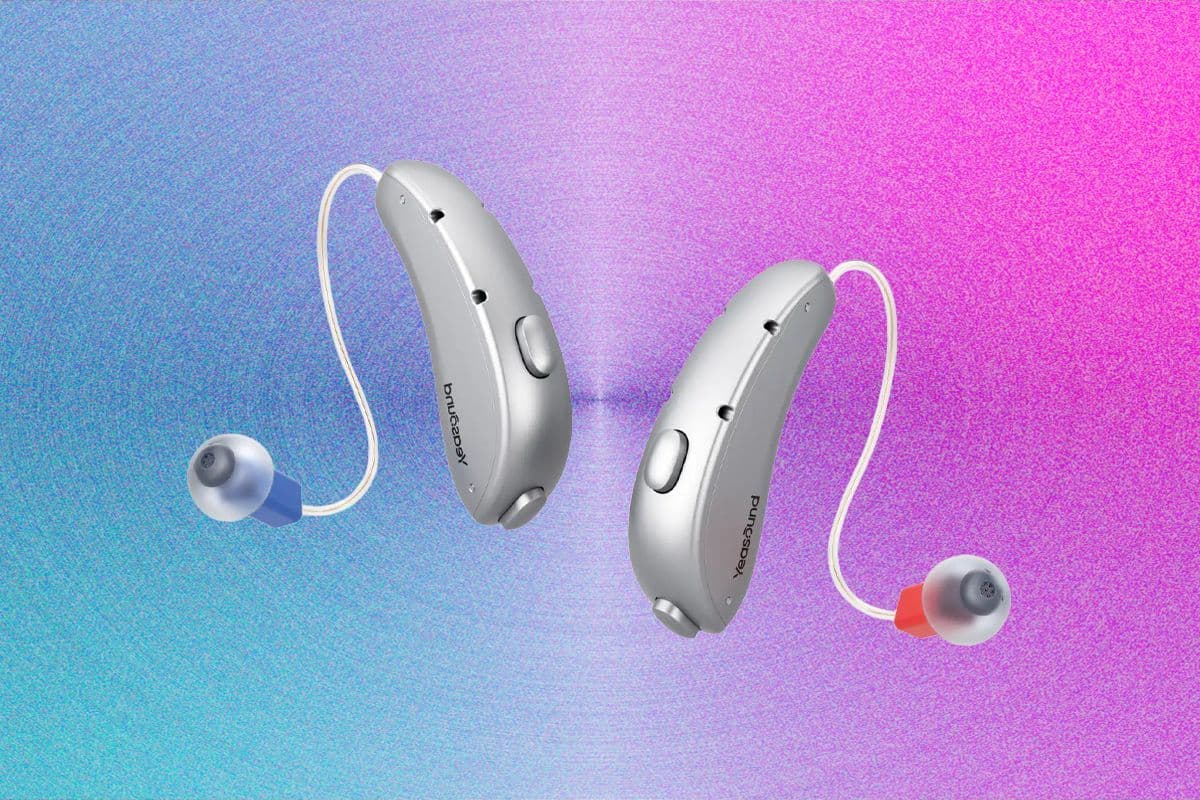
At first glance, the RIC800 units are understated and well-constructed. Each unit weighs in at just 2.76 grams, making them only marginally heavier than premium competitors like the Jabra Enhance Select 700. The design is clean and discreet, with both units appearing virtually identical.
Physical controls are kept to a minimum — two buttons on the back of each unit handle volume adjustments independently per ear and allow basic interaction with phone calls during Bluetooth streaming sessions. It's a simple control scheme, but functional for day-to-day use.
The iYeasound App: Easy to Navigate, Hard to Rely On
Most users will spend their first minutes with the iYeasound mobile app, which greets them with a clean, intuitive home screen. The app's layout puts essential controls front and center, making the initial setup process relatively painless.
Built-In Hearing Test
One of the standout features of the iYeasound app is its integrated hearing assessment. Unlike many competitors that drag users through lengthy pauses between audio pings, Yeasound's test moves at a brisk pace — wrapping up the full evaluation in roughly five minutes rather than the typical ten or more. The results are displayed on a standard audiogram format, and while the in-app readings skewed slightly more aggressive than a clinically produced audiogram, they were close enough for an informal home test.
That said, there are notable limitations. Existing audiograms cannot be imported into the app, and test results cannot be manually adjusted — users must retake the full test if they want to make changes.
Sound Modes and Customization
The app provides five environmental presets: Adaptive, General, Noisy, Music, and Outdoors. Volume can be controlled separately for each ear directly beneath the mode selector. For deeper customization, users can access the Sound Settings panel — available for all modes except Adaptive — where broad adjustments to low, mid, and high frequencies can be made, along with three levels of noise reduction and three microphone directional settings.
The Adaptive mode leverages the RIC800's AI-driven processing and hands over all adjustments to the algorithm, leaving volume as the only manual control. In practice, however, manually tuning the General mode often yielded better results — particularly when noise cancellation was pushed to its highest setting. The General mode also produced noticeably less hiss at higher volumes, an issue that cropped up noticeably in Adaptive mode. With closed ear tips, the General mode felt cleaner and less bass-heavy. Open and hybrid ear tips are also included in the box in multiple sizes.
Audio Performance: Strong, With Some Caveats
Overall, the RIC800s hold their own in the hearing assistance department — especially given their price point. Noise cancellation performance was genuinely impressive, and the units can handle high volume levels without introducing significant distortion.
However, mid-range frequencies occasionally came across as muddy and muffled, with a similar though less pronounced issue affecting lower frequencies. For users who rely heavily on speech clarity in mid-tone ranges, this could be a noticeable limitation.
Comfort and Wearability
For extended wear sessions, the RIC800 units proved surprisingly comfortable. Their lightweight build and variety of ear tip options make it easy to find a fit that works, even during long hours of use. Comfort is rarely a point of concern with these aids.
App Connectivity: The Biggest Frustration
Despite its clean interface, the iYeasound app has a significant reliability problem. The app frequently loses its Bluetooth connection to the hearing aids — sometimes when the units are removed from the ears, and sometimes without any apparent cause. When this happens, the hearing aids themselves continue to function, but app-based control becomes unavailable until the user manually toggles Bluetooth off and on and force-quits the application.
What started as an occasional minor annoyance quickly became the dominant frustration during testing, requiring three to four full resets on some days. For older users or those less comfortable with mobile troubleshooting, this issue could prove especially discouraging.
Battery Life: Overpromised, Underdelivered
Yeasound advertises 31 hours of battery life per charge — a figure that didn't hold up during real-world testing. With a blend of hearing enhancement and active Bluetooth streaming, the actual runtime peaked at around 18 hours. While that's still adequate for a full day of use, it falls far short of the manufacturer's claims.
The charging case, which connects via USB-C, stores enough power to recharge the hearing aids approximately three times before needing a top-up itself — a reasonable reserve for most users. Notably, the RIC800 uses a contactless charging system similar to an electric toothbrush, eliminating exposed metal charging contacts. This design choice could improve long-term durability by reducing the risk of corrosion and may also help minimize skin irritation associated with rusting metal components.
Final Verdict
The Yeasound RIC800 hearing aids are a study in contradictions. The hardware is well-built, comfortable, and delivers genuinely capable audio performance for the price. The onboarding experience is smooth, and the hearing test is one of the quickest available in the OTC category.
But the iYeasound app's persistent connectivity issues cast a long shadow over what is otherwise a competitive product. Until Yeasound addresses these software reliability problems, users should be prepared for a daily dose of Bluetooth troubleshooting alongside their improved hearing. For tech-savvy buyers who can tolerate that trade-off, the RIC800 offers solid value — but for everyone else, patience will be required.

