Would Hunters Get a Lyme Disease Vaccine? Their Answers May Surprise You
With a new Lyme disease vaccine potentially on the horizon, those most at risk — hunters — are weighing in. Their responses reveal a nuanced picture of vaccine hesitancy.

A New Lyme Disease Vaccine Could Be Coming — But Will People Actually Take It?
Tick season is upon us, and by many accounts, it may be one of the worst in recent memory. As climate change continues to push tick populations into new territories across the United States, more Americans than ever are finding themselves at risk for tick-borne illnesses — including the most prevalent of them all, Lyme disease.
Now, pharmaceutical giants Pfizer and Valneva have announced plans to seek regulatory approval for a new Lyme disease vaccine, reigniting a conversation that's been dormant for decades. A similar vaccine was briefly available in the late 1990s before being pulled from the market just three years later, largely due to lawsuits, fears over side effects, and low public demand.
The question today is whether history will repeat itself — especially in a post-COVID landscape where vaccine skepticism has never been more pronounced.
Hunters: High Risk, Mixed Feelings
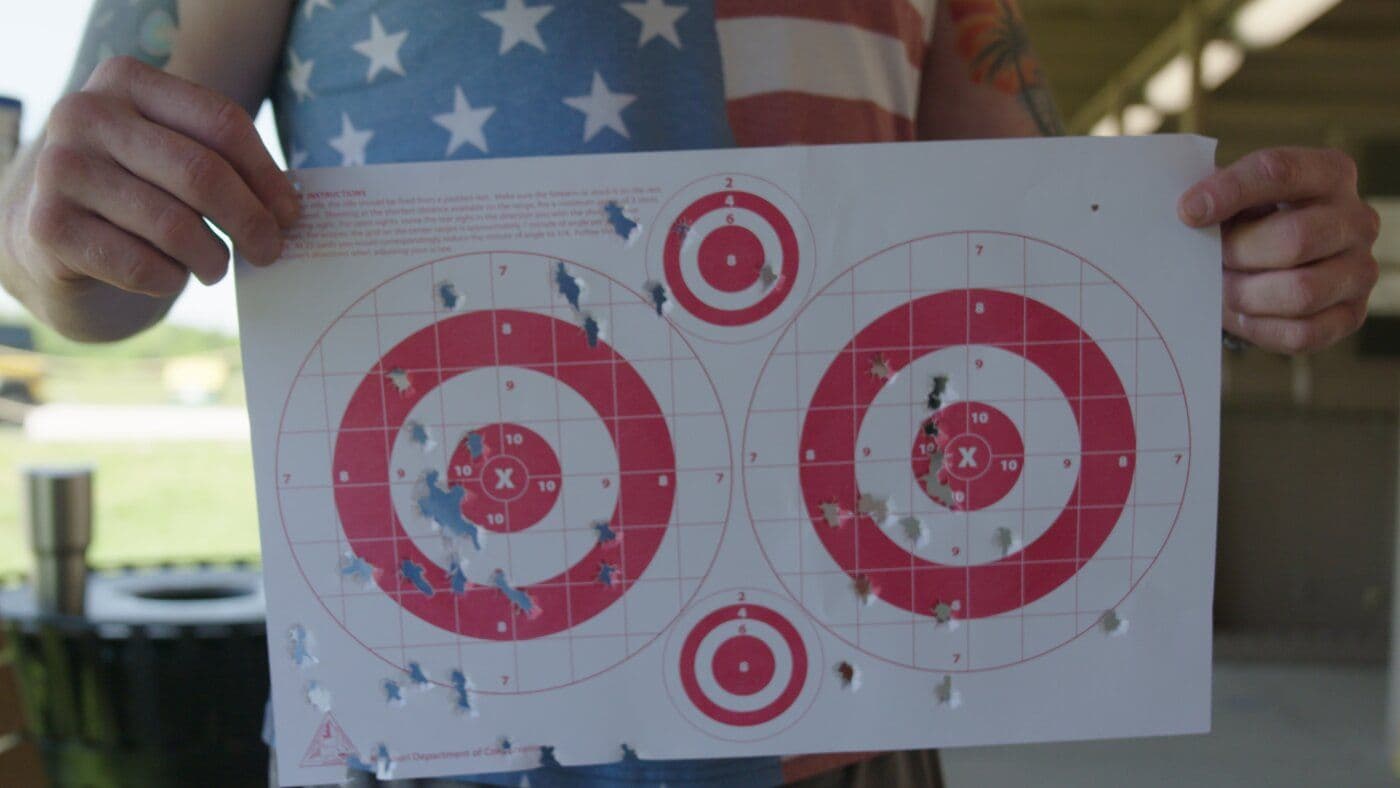
To gauge how this potential vaccine might land with rural, high-risk populations, KFF Health News sat down with a group of hunters at the Busch Shooting Range in Weldon Spring, Missouri. It's a fitting demographic to consult. Hunters spend enormous amounts of time in wooded, tick-heavy environments, making them among the most vulnerable to Lyme disease. At the same time, hunters as a group tend to lean conservative and rural — communities where vaccine hesitancy has historically been more common.
The responses from the eight individuals interviewed — seven hunters and one hiker — painted a picture that was neither fully accepting nor outright dismissive.
One Clear Enthusiast
Jess Manganelli was the most openly enthusiastic about the prospect of a Lyme vaccine. An avid turkey hunter, she said her love of the outdoors alone made the decision easy.
"Given my proclivity for the outdoors, absolutely," she said without hesitation.
Manganelli believes she may have already contracted Lyme disease two years ago, though she was never officially diagnosed. After a tick bite, she experienced muscle weakness, fatigue, headaches, and swelling — but was told by urgent care staff that they didn't test for Lyme. Her suspected personal experience with the illness made her more receptive to preventive measures.
The Others: Open, but Cautious
The remaining participants said they would consider the vaccine but wanted more information. Specifically, they were interested in understanding its safety profile, its effectiveness rate, and their own individual risk levels before making any decisions.
Almost all of them had a personal connection to Lyme disease — an old roommate, a family member, a former student — and had watched those individuals struggle through the disease's notoriously difficult diagnostic and treatment process.
Julian Barnes described himself as generally vaccine-hesitant but acknowledged that watching a relative battle Lyme had shifted his thinking.
"I would say I am vaccine-hesitant, generally speaking," Barnes admitted. "But Lyme — I've seen the way it affects people in my life. I would definitely have to really understand the vaccine and how it works."
Jeremy Hollingshead, on the other hand, said he'd be less inclined to take the vaccine — not because of a bad experience, but ironically because of perspective. His former roommate had a severe and lasting case of Lyme, still feeling effects a decade later. Yet Hollingshead, having spent virtually his entire life outdoors alongside hundreds of other people, knew of only that one case.
"I know it was a bad outcome for him," Hollingshead said, adding that the odds of contracting Lyme personally seemed relatively low from his vantage point.
A Celebrity Hunter's Personal Cautionary Tale
Steven Rinella, the well-known outdoorsman and host of the popular hunting show MeatEater, offered a compelling firsthand account that underscores just how serious Lyme disease can be.
Thirteen years ago, Rinella and his older son both contracted Lyme disease during a fishing trip in New York's Hudson Valley. His son developed Bell's palsy — a sudden facial paralysis — but recovered relatively quickly with oral antibiotics. Rinella himself wasn't so fortunate. His symptoms persisted for months, leaving him unable to navigate stairs without gripping a handrail or even ride a bicycle. He ultimately required a full month of intravenous antibiotic treatment.
"I thought my life had changed," Rinella recalled. "But I recovered, as far as I know."
For Rinella, the experience was more than enough motivation to seriously consider a future Lyme vaccine, provided it demonstrated strong safety and efficacy data. He also noted something important: unlike some infections, surviving Lyme disease does not confer permanent immunity. A person who has had Lyme can get it again — making vaccination relevant even for those who've already been through it.
Rinella also pointed out how deeply embedded tick awareness is in hunting culture.
"I'm a turkey hunter. In talking about turkey hunting, you talk about ticks as much as you talk about turkeys," he said. "You're sitting for long periods of time trying to use vegetation for concealment — the exposure is constant."
What the Data Says About Lyme Disease
The CDC estimates that approximately 476,000 Americans are diagnosed and treated for Lyme disease annually. The geographic reach of the disease has expanded dramatically since 1995, with cases now reported in regions that were previously considered low-risk. Left untreated, Lyme can cause a wide range of serious symptoms, from fevers and chills to joint inflammation, shooting nerve pain, and in severe cases, inflammation of the brain and spinal cord.
The new vaccine candidate being developed by Pfizer and Valneva is administered in four doses. It technically fell short of one trial benchmark — not enough participants ended up contracting Lyme for a fully conclusive result — but the companies report an approximately 75% effectiveness rate in reducing cases and are moving forward with regulatory submissions.
The RFK Jr. Factor
Any discussion about vaccine approval in today's political environment inevitably circles back to one figure: Robert F. Kennedy Jr., the current Secretary of Health and Human Services. A longtime anti-vaccine activist before assuming the role, Kennedy has reshaped the federal health landscape in ways that have caused some pharmaceutical companies to scale back vaccine development.
However, Lyme disease appears to be a notable exception in Kennedy's outlook. In May, he announced a federal initiative to address Lyme disease, and during his Senate confirmation hearings, he stated that his own family had been deeply impacted by the illness. He pledged that no one would work harder than he would to advance a vaccine or effective treatment.
According to Ashley Kirzinger, Associate Director for Public Opinion and Survey Research at KFF, an endorsement from Kennedy could be a game-changer — particularly among his Make America Healthy Again supporters, who are typically among the most vaccine-resistant segments of the population.
"They trust him as much as they trust their own doctors," Kirzinger said. "If he comes out as a strong proponent of this vaccine and says, 'Look what my administration did, and we made this available,' I would imagine there would be less vaccine resistance among that group."
The Bottom Line
The potential arrival of a new Lyme disease vaccine presents a genuinely complex public health challenge. The people who stand to benefit most — those who spend significant time outdoors in tick-prone areas — are also among those most likely to approach a new vaccine with caution. Personal experience with the disease, or witnessing it in someone close, appears to be one of the most powerful factors in shifting attitudes.
Whether this vaccine ultimately wins approval, and how it's received by the public, may depend as much on political messaging and personal storytelling as it does on clinical trial data.