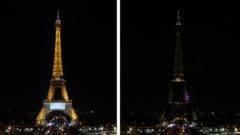
World's Most Famous Landmarks Go Dark to Celebrate Earth Hour
From the Eiffel Tower to the Sagrada Família, iconic landmarks worldwide switched off their lights for 60 minutes in solidarity with Earth Hour.

Iconic Landmarks Dim Their Lights for Earth Hour
Some of the world's most recognizable structures plunged into darkness on Saturday evening as cities across the globe united to observe Earth Hour. Among the most notable participants were France's beloved Eiffel Tower in Paris and the architectural masterpiece of Barcelona's Sagrada Família Basilica, both of which went dark at precisely 20:30 local time.
What Is Earth Hour?
Earth Hour is an annual global event organized by the World Wide Fund for Nature (WWF), designed to raise awareness about environmental issues and inspire action in the fight against climate change. The concept is straightforward yet powerful — individuals, communities, and institutions are encouraged to switch off their lights for a full 60 minutes.
A Tradition Born in Sydney
The event traces its roots back to Sydney, Australia, where it was first held in 2007. What began as a local initiative has since grown into one of the most widely recognized environmental movements on the planet, with participation spanning hundreds of countries and thousands of cities each year.
Why Earth Hour Still Matters
Beyond the symbolic gesture of turning off the lights, Earth Hour serves as a powerful reminder of the collective responsibility humans share in protecting the natural world. When landmark structures — the kind that typically shine brightly as symbols of human achievement — go dark, it sends a compelling message about the urgent need for environmental consciousness.
The participation of globally iconic sites amplifies that message, drawing international media attention and encouraging millions of people to reflect on their own energy consumption habits.