Wildlife Trade Poses Alarming Disease Spillover Risk to Humans, Landmark Study Reveals
A groundbreaking study confirms that traded wild animals are significantly more likely to transmit diseases to humans — and the risks are growing.

The Hidden Health Threat Lurking in the Wildlife Trade
Every year, millions of wild animals change hands across the globe — sold as exotic pets, harvested for food, or used in traditional medicine. While conservationists have long raised alarms about the ecological damage this causes, a compelling new study published in Science draws urgent attention to another devastating consequence: the alarming risk these transactions pose to human health.
From Exotic Pets to Deadly Outbreaks
History offers no shortage of cautionary tales. In 2003, a consignment of exotic African rodents arriving at an Illinois pet store ignited the first mpox outbreak ever recorded on U.S. soil. Gambian giant rats and other imported rodents passed the virus to prairie dogs, which subsequently infected nearly 100 people who had come into direct contact with the animals.
Ebola outbreaks have repeatedly been linked to contact with bats — animals that are hunted and consumed as bushmeat or incorporated into traditional medicine in parts of Africa. And perhaps most notably, a growing body of scientific research points to the Huanan Seafood Wholesale Market in Wuhan as the likely birthplace of COVID-19, where live wild animals including raccoon dogs, civets, and Himalayan marmots were kept in tightly packed, unsanitary conditions.
These are not isolated coincidences. They represent a pattern — one that scientists have long suspected but struggled to quantify.
What the New Research Found
Disease ecologist Colin Carlson of Yale University and his research team have now put hard numbers to what was previously little more than informed suspicion. Their findings are striking.
Analyzing data from more than 2,000 mammal species involved in wildlife trade, the researchers discovered that traded mammals are approximately 1.5 times more likely to carry pathogens that can infect humans compared to their non-traded counterparts. Even more telling: 41% of traded species shared at least one pathogen with humans, versus just 6.4% of non-traded species.
To arrive at these conclusions, the team constructed comprehensive databases cataloging known animal viruses and cross-referenced them with detailed records of wildlife trade activity — tracking which species are traded, through what channels, and for how long.
"The data that we have here, on animals and their viruses, didn't exist before in a way that researchers could easily analyze," Carlson explained.
Why Live Markets and Illegal Trade Are Especially Dangerous
Live Animal Markets: A Virus Incubator
The study identified live animal markets as a particularly significant risk factor for zoonotic disease transmission. These environments bring together stressed animals of diverse species under crowded, unsanitary conditions — creating an ideal breeding ground for viral evolution and cross-species transmission.
Workers in these markets frequently lack adequate protective equipment, leaving them directly exposed to whatever pathogens may be circulating among the animals they handle daily.
The Illegal Wildlife Trade Compounds the Risk
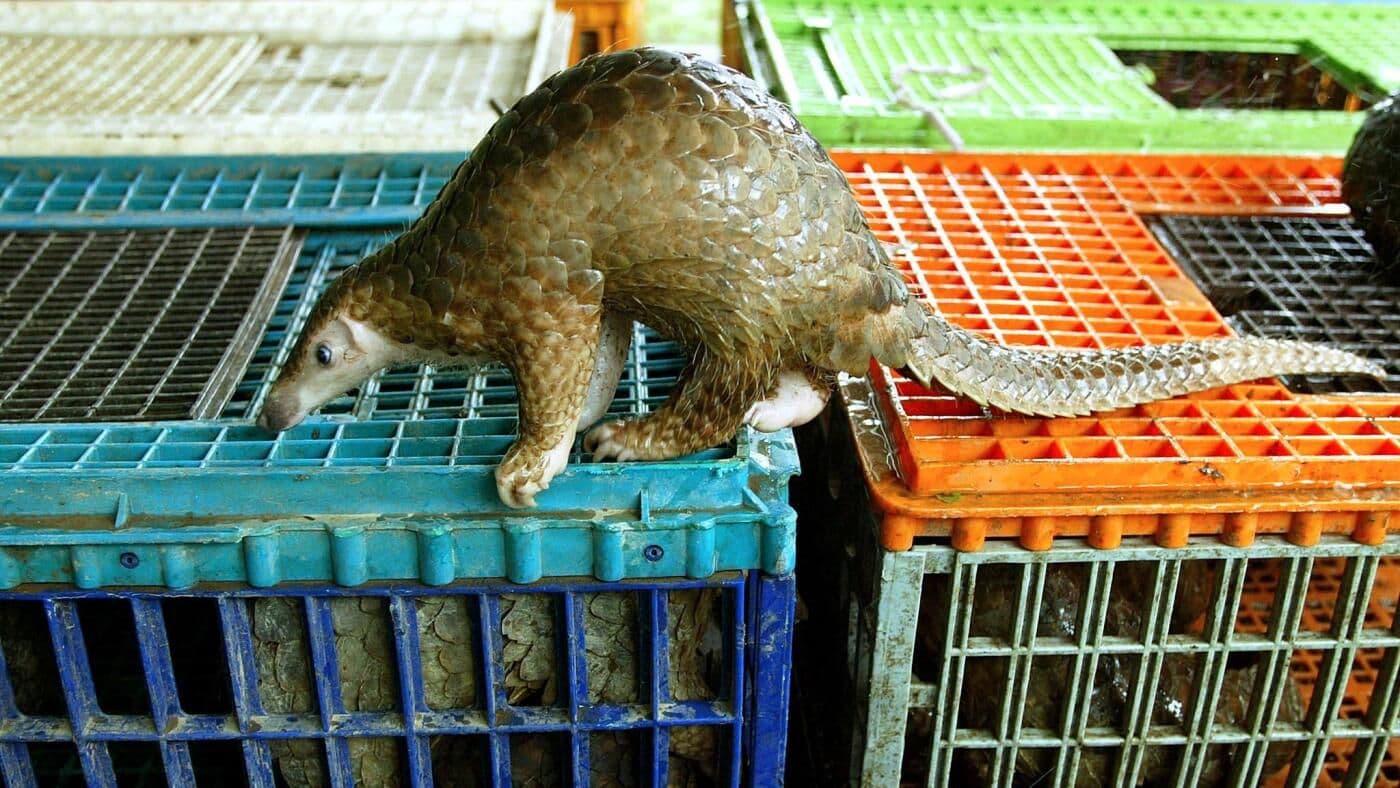
The black market for protected species — including pangolins and squirrel monkeys — was also flagged as a heightened danger zone. Illegal operations tend to have even more lax hygiene standards than regulated markets, and the species involved may naturally harbor a broader range of viruses. Both factors combine to elevate spillover risk considerably.
Time Is Not on Our Side
One of the study's most sobering findings concerns the relationship between time and pathogen transmission. For every decade a species remains part of the wildlife trade, the data suggests that at least one additional pathogen makes the leap into human populations.
"That's significant," said Kevin Olival, a disease ecologist at the University of Hawaiʻi who was not involved in the research. Given that hundreds of species have been traded for generations — some for thousands of years — many of these animal-borne viruses may already be permanently embedded in the human disease landscape.
"In a lot of ways, the toothpaste is out of the tube," Carlson acknowledged. "These animal viruses are with us to stay."
Blocking the Routes Before the Next Pandemic
Despite the sobering conclusions, researchers see a clear path forward. Sagan Friant, a disease ecologist at Penn State University, noted that the findings point directly toward actionable prevention strategies.
"If you can block those routes through which diseases are transmitted from animals to humans, then you're going to block a lot of pathogens," she said.
Potential interventions include:
- Strengthening border surveillance at airports and ports to intercept illegal animal trafficking
- Regulating live animal markets with stricter health and hygiene standards
- Reducing consumer demand for exotic animals through public education campaigns
However, Carlson cautions that aggressive criminalization without nuance could backfire — driving more of the trade underground, where health monitoring becomes nearly impossible. "We have to choose between pushing trade underground or finding a way to implement public health measures within these settings," he said.
Every Consumer Plays a Role
The reach of the wildlife trade extends further than most people realize. Olival points out that ordinary consumers — not just traffickers or market vendors — are active participants in this ecosystem whenever they purchase exotic pets or products derived from wild animals.
The 2003 mpox outbreak serves as a stark reminder: it was driven by everyday people buying unusual animals from pet stores. "That cute, little furry exotic animal in your pet store — maybe think twice about it," Olival advised.
As this research makes clear, the choices individuals make in the marketplace can have consequences that ripple far beyond the point of purchase — potentially triggering the next global health crisis.

