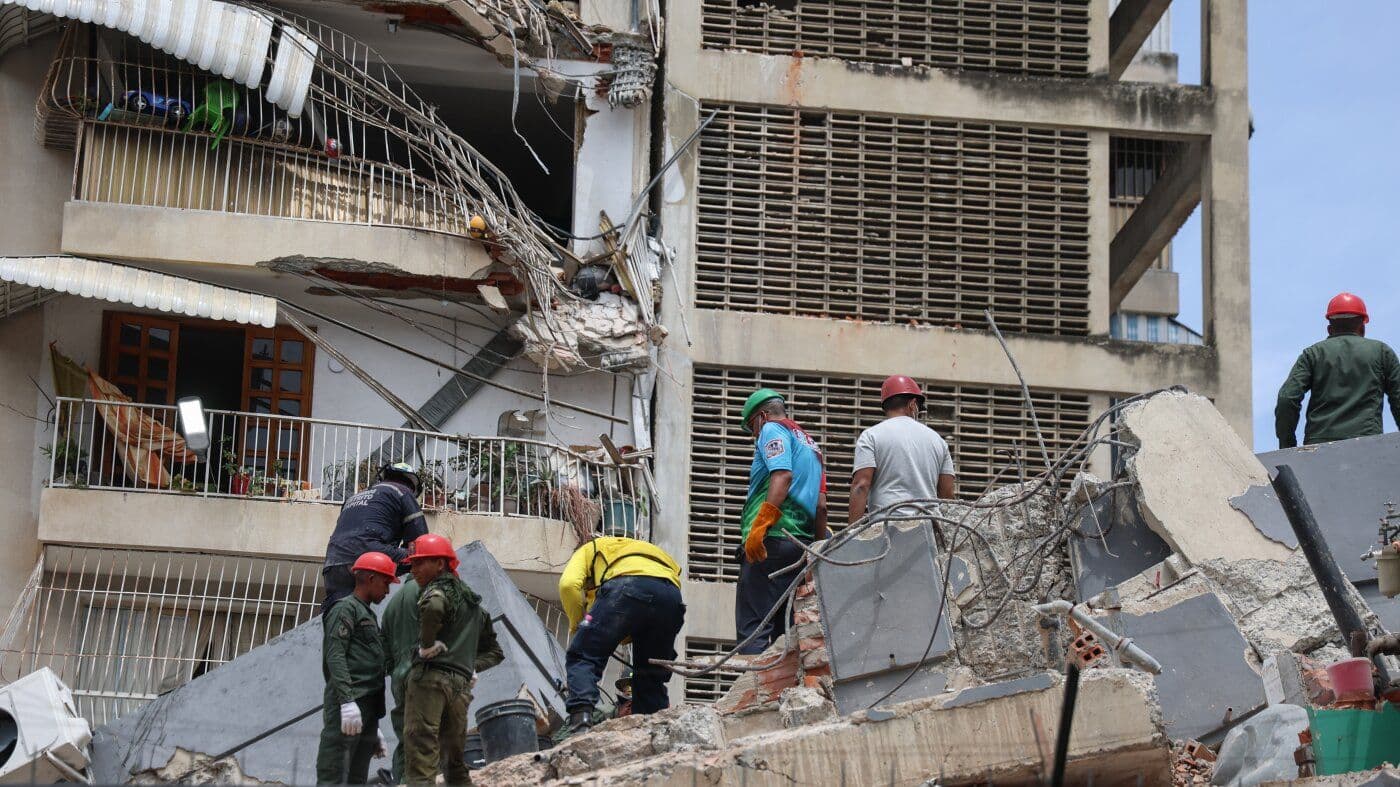
Why Venezuela's Back-to-Back Earthquakes Puzzled Seismologists
Two powerful earthquakes struck Venezuela in quick succession, and scientists believe separate fault lines may be to blame in this seismically complex region.

Venezuela's Twin Earthquakes: A Seismic Mystery Unfolds
When two powerful earthquakes struck Venezuela in rapid succession, scientists were immediately drawn to a puzzling question: were these tremors connected, or were they products of entirely different geological forces operating beneath the surface?
Two Faults, Two Events
Early analysis suggests that the two major seismic events may have each originated along distinct fault lines rather than representing a single rupture event. This distinction is significant, as it points to the remarkable geological complexity of the region.
Venezuela sits within a tectonically active zone where multiple fault systems converge and intersect. This layered network of geological boundaries creates conditions where stress can accumulate and release across several independent structures, sometimes within moments of each other.
A Region of Tectonic Complexity
The area where these earthquakes occurred is well known among geologists for its intricate web of fault systems. When seismic stress builds in such an environment, the triggering of one fault can sometimes influence neighboring structures, potentially setting off additional events in rapid sequence.
This dynamic raises important questions about how interconnected these fault systems truly are and what early warning implications that might carry for residents and emergency planners in the region.
Why This Matters
Understanding whether two earthquakes stem from one fault or two separate systems has meaningful consequences for disaster response and long-term infrastructure planning. It shapes how scientists model future seismic risk and how governments prepare vulnerable communities for what may come next.

