Why Omaha, Nebraska Became the Destination for Cruise Ship Hantavirus Patients
Sixteen passengers from a hantavirus-stricken cruise ship were transferred to Nebraska, home to the only federally funded quarantine unit in the U.S.

Why Nebraska Is America's Go-To Destination for Infectious Disease Emergencies
When a hantavirus outbreak erupted aboard a cruise ship sailing near Spain's Canary Islands, health officials didn't hesitate about where to send the affected American passengers — Omaha, Nebraska. While the Midwest state may not be the first place that comes to mind for world-class medical care, it houses two of the most advanced infectious disease facilities on the planet.
Sixteen Passengers Arrive in Omaha for Evaluation
Sixteen of the 18 passengers evacuated from the MV Hondius cruise ship were transported to Omaha on Monday following their disembarkation in the Canary Islands over the weekend. Among the arrivals were 15 U.S. citizens and one dual U.S.-British national.
Of those 16 individuals, 15 were placed in the National Quarantine Unit for ongoing monitoring. The remaining passenger, who tested positive for hantavirus, was admitted to the Nebraska Biocontainment Unit for active medical treatment. Two additional American passengers — a couple, one of whom was showing symptoms — were directed to Emory University Hospital in Atlanta, which also operates a specialized biocontainment facility.
The Facilities That Make Nebraska Uniquely Qualified
The National Quarantine Unit
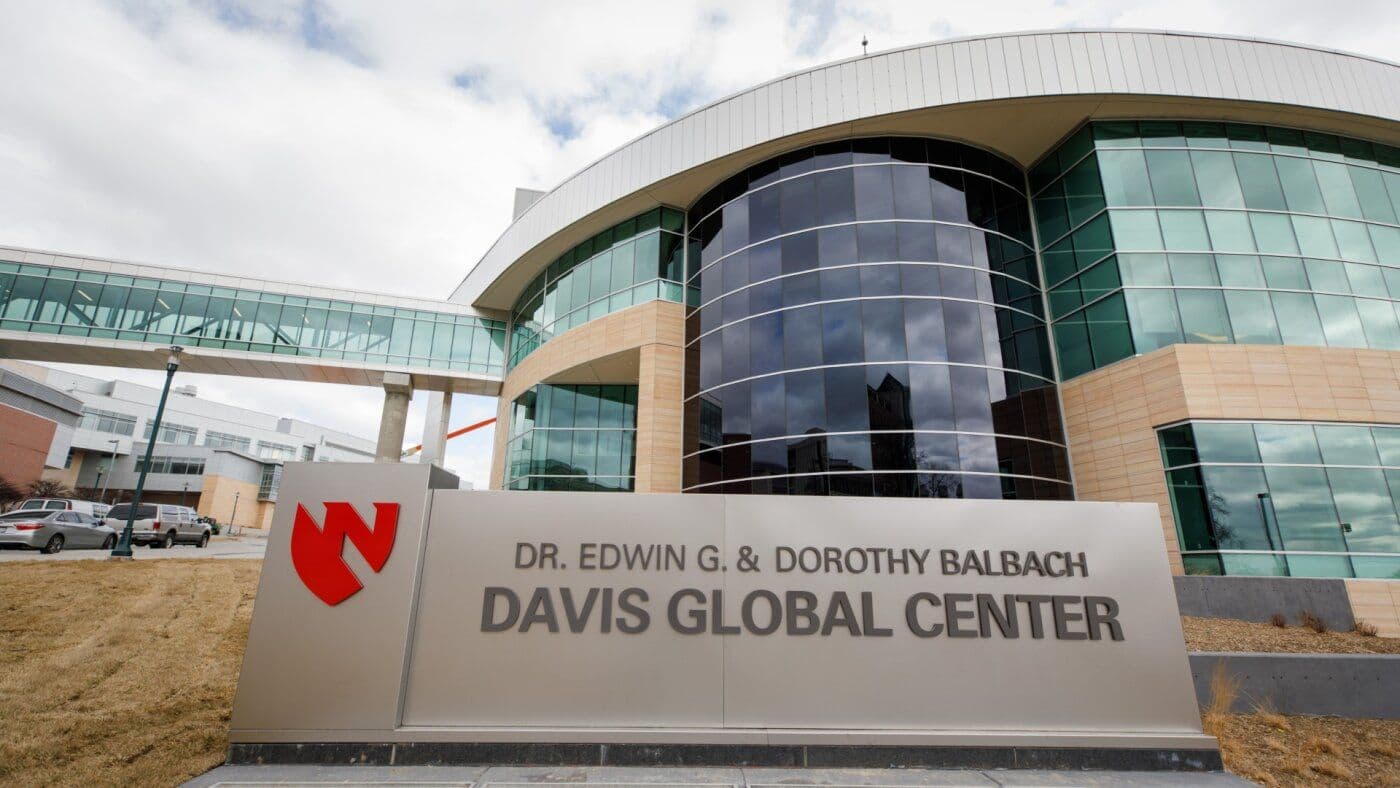
Completed in late 2019 at a cost of nearly $20 million, the National Quarantine Unit at the University of Nebraska Medical Center (UNMC) in Omaha holds the distinction of being the only federally funded quarantine facility in the entire United States. The unit features 20 negative-pressure rooms specifically engineered to prevent potentially infectious air particles from escaping into surrounding areas by maintaining lower internal air pressure than the outside environment.
Far from a sterile, uncomfortable holding space, each single-occupancy room is equipped with a private bathroom, exercise equipment, and Wi-Fi access — designed to make extended stays as manageable as possible.
"We have protocols in the quarantine unit that provide for safe care of these persons, including all the activities of daily living, so that they can have a comfortable stay while also being in an area that limits the spread of the pathogen," said Dr. Michael Wadman, medical director of the National Quarantine Unit.
The Nebraska Biocontainment Unit
The Nebraska Biocontainment Unit, dedicated in 2005 as a joint initiative between UNMC and Nebraska Health and Human Services, is a fully operational patient-care space with a 10-bed capacity. Originally built with threats like anthrax attacks and SARS in mind, the $1 million, five-room unit has since proven its value in real-world crises — most notably in 2014 when it successfully treated two physicians infected with Ebola.
Dr. Angela Hewlett, the unit's medical director, emphasized that the biocontainment facility operates entirely independently from the quarantine unit. It maintains its own dedicated air-handling system complete with rooftop HEPA filtration and is engineered very differently from a standard hospital environment. "We don't share [it] with any of the rest of the facility," she stated.
Both facilities also played significant roles during the COVID-19 pandemic.
Nebraska Officials Express Confidence and Reassurance
Nebraska Governor Jim Pillen welcomed the incoming patients at a Monday press conference, extending a message of both hospitality and public reassurance. The MV Hondius had been carrying nearly 150 passengers from 23 countries when the outbreak occurred.
"We're glad that you're here. We're going to ensure that you have the best world-class care possible," Pillen said.
The governor also moved to ease concerns among Nebraska residents, stressing that the facilities are fully secured and that no one inside poses a threat to the broader community. "No one poses a risk to public health, just walking out the front door of the streets of Omaha," he said.
Dr. Michael Ash, CEO of Nebraska Medicine, echoed that confidence: "Our teams have trained for decades alongside federal and state partners to make sure we can safely provide care while protecting our staff and the broader community."
Understanding the Hantavirus Strain Involved
The outbreak aboard the cruise ship has been identified as the Andes strain of hantavirus — a variant notable for its rare but documented ability to spread from person to person. Most hantavirus strains are transmitted to humans only through contact with infected rodents.
As of Monday, the World Health Organization had confirmed at least nine cases of hantavirus linked to the outbreak, including three fatalities.
Admiral Brian Christine, Assistant Secretary for Health at the U.S. Department of Health and Human Services, offered context on the strain's transmissibility: "The Andes variant of this virus does not spread easily, and it requires prolonged, close contact with someone who is already symptomatic. Even so, we have taken this situation very seriously from the very start."
The virus can trigger severe respiratory illness, typically beginning with flu-like symptoms.
What Comes Next for the Passengers
The full quarantine period for hantavirus exposure is 42 days, though Admiral Christine indicated that asymptomatic patients would be permitted to return home before that window closes. In the immediate term, all passengers are undergoing thorough assessments.
"Right now, the passengers are all in the assessment phase — they're going to be here for at least a few days while we do assessments and the coordination on what happens next," Christine explained, adding that patients also have the option to remain in the quarantine facility for the full 42-day period as the safest available course of action.
Officials were clear in their message to the general public: "The risk of hantavirus to the general public remains very, very low."

