Why Millions of Americans Are Running on Empty — And How to Finally Fix Your Sleep
Nearly one in three Americans isn't getting enough sleep. Here's what the science says about why it's happening and how to fix it.

The Sleep Crisis Hiding in Plain Sight
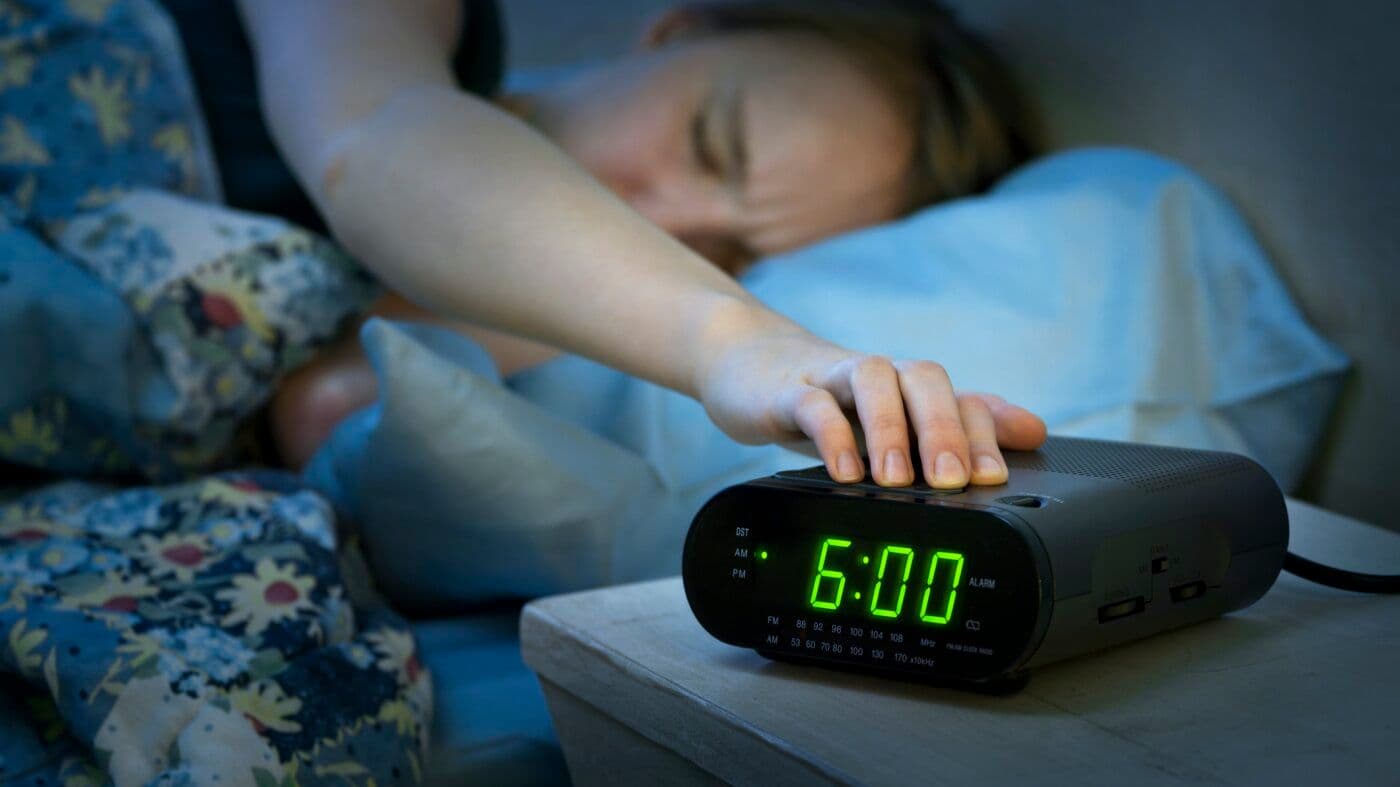
America has a sleep problem — and it's bigger than most people realize. According to a newly released data brief from the Centers for Disease Control and Prevention (CDC), nearly 30.5% of U.S. adults surveyed in 2024 are getting less than the seven hours of nightly sleep that health experts recommend. What's more troubling is that these numbers have barely budged since 2020, signaling a deeply entrenched national habit.
The American Academy of Sleep Medicine is clear: adults need a minimum of seven hours of sleep each night. Fall short of that, and the consequences aren't just feeling groggy in the morning.
What Happens When You Don't Sleep Enough
James Rowley, a pulmonologist and program director of the Sleep Medicine Fellowship at Rush University Medical Center — and a former president of the AASM board — explains that insufficient sleep goes far beyond daytime fatigue.
"Below that threshold, there's clear evidence that you're going to feel lethargic during the day," Rowley says. But the risks run deeper. Chronic sleep deprivation has been linked to serious cardiometabolic conditions, including type 2 diabetes and obesity, as well as cardiovascular disease.
Sleep, Rowley emphasizes, should be treated with the same seriousness as diet and exercise when it comes to maintaining overall health.
Why Are So Many People Staying Up Too Late?
The reasons vary widely. Some Americans are working multiple jobs or irregular shifts that simply don't leave room for adequate rest. But for a significant portion of the population, the culprit is far more voluntary — and far more avoidable.
Doomscrolling, late-night gaming, binge-watching TV shows, and falling down YouTube rabbit holes are robbing millions of hours of potential sleep every night. Rowley notes that many of his own patients admit to going to bed with a phone, laptop, or tablet in hand.
"Patients tell me they watch one YouTube video and before they know it, an hour has passed," he says. The uncomfortable truth, he adds, is that "a lot of people could go to bed earlier if they chose to."
For others, the issue isn't choice — it's a clinical one. Roughly 15% of surveyed adults report difficulty falling asleep, while around 18% struggle to stay asleep throughout the night, suggesting insomnia may be a widespread but underaddressed condition.
The Rise of Sleep Aids — And Why You Should Be Careful
A companion publication released alongside the CDC brief reveals that approximately 13% of U.S. adults are using sleep aids every night. These range from prescription medications and over-the-counter supplements to marijuana and cannabidiol (CBD) products.
Rowley urges caution for anyone self-medicating their way through sleepless nights. "If you're taking something every night, you really should be talking to your physician," he advises. "There may be a sleep disorder or other underlying issues interrupting your sleep that we could address at the source."
Relying on sleep aids without medical guidance can mask a deeper problem rather than solve it.
Science-Backed Strategies to Sleep Better Tonight
If you're ready to reclaim your rest, the following evidence-based approaches can make a meaningful difference:
Build a Consistent Wind-Down Routine
Your body needs cues that it's time to sleep. Create a nightly ritual that includes dimming the lights in your home, lowering the room temperature, and engaging in calming activities before bed. Reduced lighting triggers the natural release of melatonin, the hormone that signals to your body that sleep is approaching. A warm shower or bath before bed can also help — the transition from warmth to a cooler bedroom environment naturally encourages drowsiness.
Think in Weekly Sleep Totals
Missing sleep on weekdays doesn't have to be a permanent deficit. Sleep specialist Dr. Chris Winter of Charlottesville, Virginia, puts it plainly: "If you need seven hours a night, you really need 49 hours a week." Strategic midday naps and sleeping in slightly on weekends can help offset short-term sleep debt, keeping you closer to that weekly target.
Address Sleep Anxiety With Proven Techniques
For those whose minds race the moment their head hits the pillow, cognitive behavioral therapy for insomnia (CBT-I) remains the gold standard treatment. Even without formal therapy, you can borrow techniques from this practice. One effective method: schedule a dedicated "worry window" — spend 10 to 15 minutes each day writing down your concerns and stressors. By giving anxiety its own time slot, you free your brain to actually unwind at bedtime.
Align Your Daytime Habits With Your Sleep Goals
Good sleep doesn't start when you climb into bed — it starts with how you live your day. Expose yourself to natural morning sunlight to anchor your body's internal clock. Stay physically active during the day to build genuine physical tiredness by evening. And consider cutting off caffeine in the early afternoon; that post-lunch coffee could be silently sabotaging your ability to fall into the deep, restorative sleep your body needs.
The Bottom Line
Sleep is not a luxury — it's a biological necessity on par with eating well and staying active. With nearly a third of American adults chronically under-slept, small, intentional changes to nightly routines and daytime habits can yield significant results. Whether you're battling the scroll, juggling a demanding schedule, or struggling with insomnia, understanding the root cause of your sleep troubles is the essential first step toward genuine, lasting rest.