Why Cutting Polio Eradication Funding Now Could Undo 40 Years of Progress
The UK government's decision to end contributions to global polio eradication efforts after 2026 threatens decades of hard-won progress against this devastating disease.
A Critical Moment Being Undermined by Funding Cuts
Decades of relentless global effort to wipe out polio are now in jeopardy. The UK government's decision to withdraw its financial contributions to the Global Polio Eradication Initiative (GPEI) after 2026 has drawn sharp criticism from health advocates, Rotary International members, and polio survivors alike. The timing could not be worse.
For nearly 40 years, the international community has worked tirelessly to protect children from a disease that causes irreversible paralysis and lifelong disability. Pulling back funding at this pivotal stage risks unraveling progress that took generations to achieve.
How Close Are We to Eradicating Polio?
The global campaign against polio has made extraordinary strides. Today, only two countries — Pakistan and Afghanistan — remain endemic for the disease. Infection rates in both nations are at historic lows, a testament to the extraordinary dedication of frontline health workers who operate in some of the most challenging environments on earth.
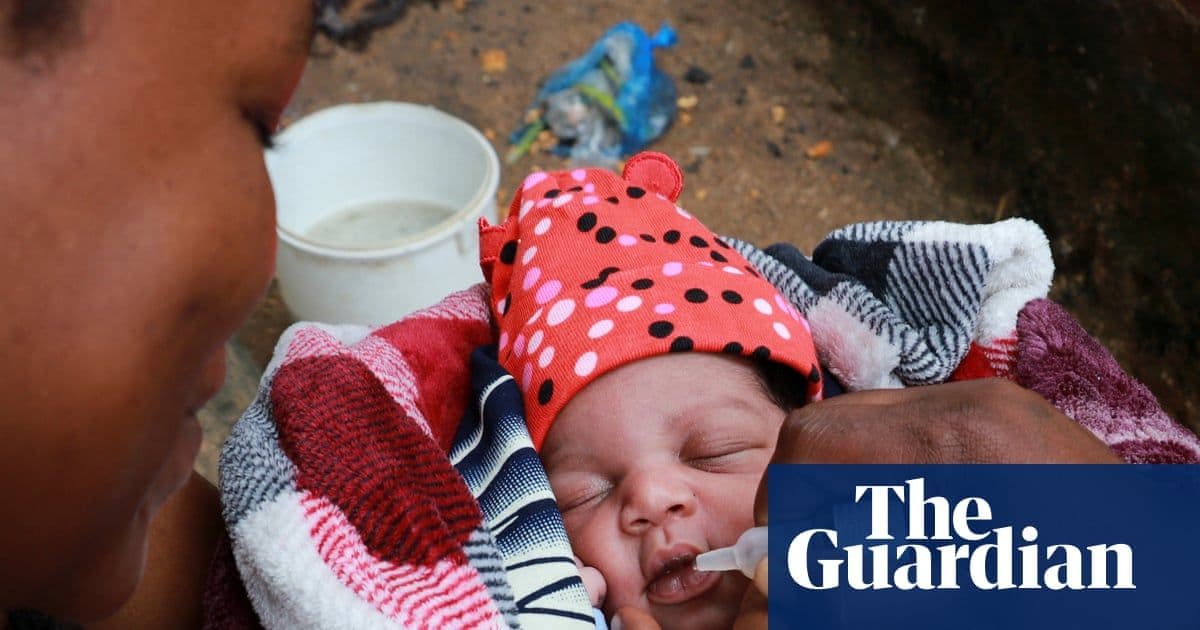
In Pakistan alone, a single recent vaccination drive successfully inoculated an astonishing 45 million children — a logistical and humanitarian achievement of remarkable scale. These numbers reflect not just political will, but the boots-on-the-ground commitment of local health teams who work day after day to ensure no child is left unprotected.
Rotary International, a key partner within the GPEI, has been instrumental in this mission. Rotary members have volunteered across vaccination campaigns in countries including India, witnessing firsthand the extraordinary dedication required to reach every child in every community.
The Human Cost of Polio — A Survivor's Perspective
Beyond statistics and policy debates lies a deeply human story. Gillian Russell, a polio survivor from Winchester, contracted the disease in 1954 at just 18 months old — one year before the polio vaccine was introduced in the United Kingdom. The consequences were life-altering.
As a result of the infection, Russell has no use of her left arm and endured multiple surgeries on her left leg throughout her childhood. By her own account, she considers herself one of the fortunate ones.
Her experience is a sobering reminder of what is at stake. Polio primarily targets young children and, in many cases, leaves them with permanent physical disabilities that follow them throughout their entire lives. It is not merely a historical footnote — it is a present-day threat that only consistent global action can neutralize.
Why Sustained Funding Is Non-Negotiable
Eradicating a disease entirely from the face of the earth is one of the most complex and expensive undertakings in public health. It requires sustained investment, long-term political commitment, and coordinated global action. History has shown that when funding wavers, diseases resurge.
Polio was detected in London sewage samples just days before the UK government's announcement to reduce its contributions — a stark and unsettling coincidence that underscores how real and present the risk remains, even in wealthy, developed nations.
The message from health professionals, Rotary volunteers, and survivors is clear: this is not the time to step back. We are closer than ever to achieving something historic — the complete eradication of polio. But that finish line can only be crossed if governments maintain their commitments and ensure adequate funding flows to the organizations doing this vital work.
The Legacy We Leave for Future Generations
Every child who receives a polio vaccine today is a child who will never know the fear or the pain that survivors like Gillian Russell lived through. That is a legacy worth protecting — and worth funding.
The UK government must reconsider its decision to exit the GPEI. Walking away now, with the end so nearly in sight, would be a profound failure of global responsibility and a devastating blow to one of humanity's greatest public health achievements.