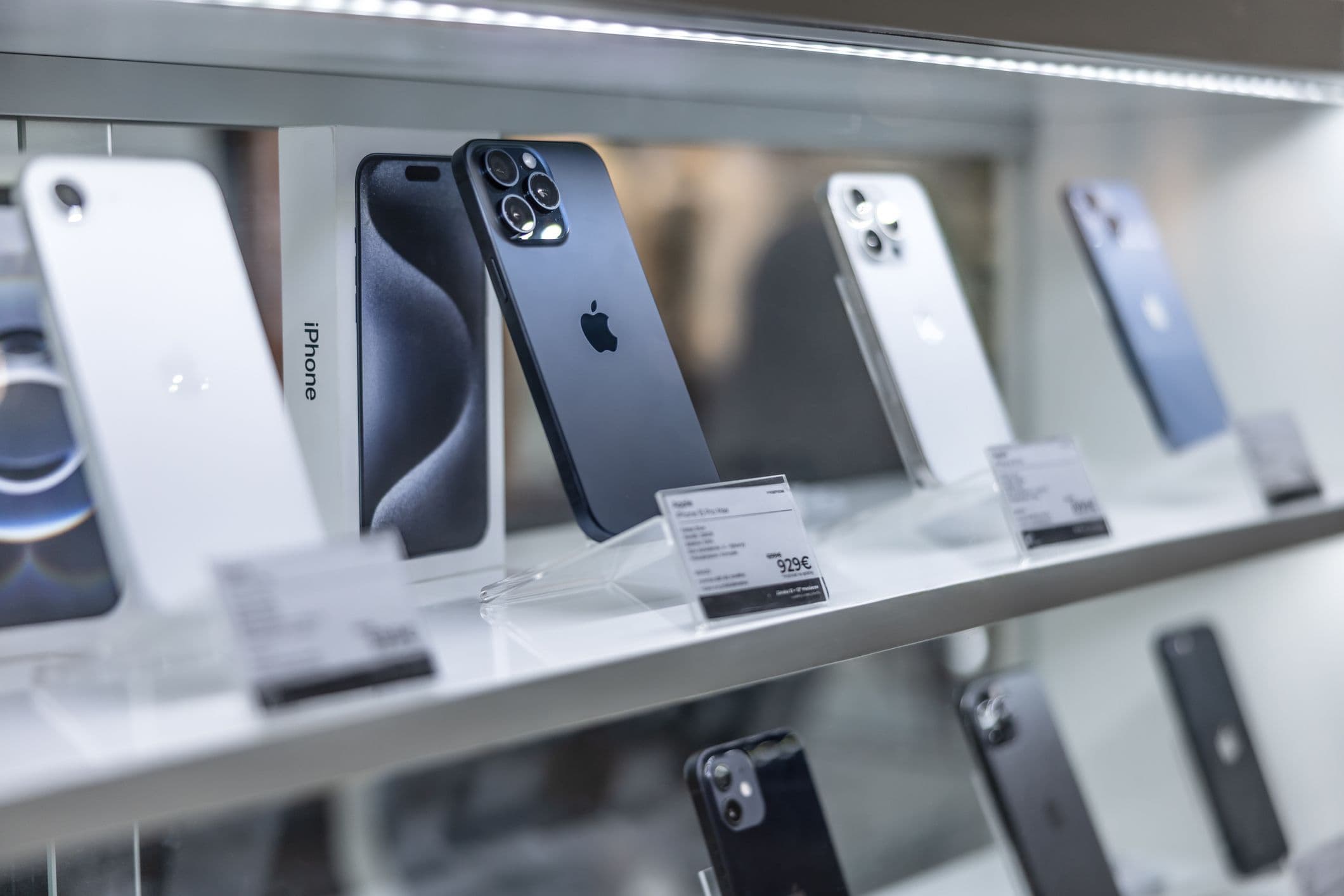
Why Buying a Used iPhone Is the Smartest Tech Move Right Now
With Apple prices set to rise and older iPhones getting better software support than ever, going refurbished has never been a wiser financial decision.

The Case for Going Refurbished Has Never Been Stronger
This fall, something interesting is happening in the world of consumer tech: older iPhones are becoming more valuable, not less. At the same time, brand-new Apple devices are poised to get more expensive. For a growing number of consumers, the math is simple — buying a used iPhone, or simply holding onto the one already in your pocket, is quickly becoming the most sensible choice available.
"Buying used has never made more sense," says Kyle Wiens, CEO of iFixit, a prominent repair advocacy platform. "The phones from the last few years are really good."
Why Are Apple Prices Going Up?
If your wallet has felt lighter lately, you're not imagining things. Even industry giants like Apple are feeling the pressure. Outgoing Apple CEO Tim Cook recently told The Wall Street Journal that price increases across the company's product lineup would soon be "unavoidable," though he stopped short of naming specific products or timelines.
The primary driver behind this squeeze is a widespread memory and storage component shortage. The surging global demand for AI data center infrastructure has consumed vast supplies of the very chips and memory modules that consumer electronics manufacturers depend on. Apple, like virtually every other tech company, is caught in the crossfire.
Adding fuel to the fire, markets have been turbulent following the Trump administration's sweeping tariff policies and ongoing geopolitical tensions. Sourcing the components needed to manufacture a new iPhone is only going to get harder — and those increased production costs will inevitably be passed on to consumers.
Older iPhones Are Getting a Major Software Lifeline
Here's where things get interesting for used-device buyers. At Apple's WWDC keynote in early June, the company unveiled significant changes coming to iOS 27, specifically improvements to the CPU scheduler — the system that manages how software resources are distributed across a device. Remarkably, these enhancements are expected to keep even the iPhone 11 running smoothly.
This is a game-changer for the refurbished market. Purchasing a used iPhone now comes with greater confidence that your device won't be abandoned by future software updates anytime soon.
Repairs and Battery Replacements Are Cheaper on Older Models
Beyond software longevity, maintaining an older iPhone tends to be far more affordable than servicing a newer one. Battery replacements, one of the most common repairs, illustrate this clearly. Apple currently charges $119 to replace the battery in an iPhone 17, while the same service for an iPhone 13 runs $30 less.
"You can save a lot of money buying a year-old phone and putting a new battery in it every six months," Wiens notes.
What the Experts Are Saying
Jitesh Ubrani, a research manager at IDC, points out that Apple has largely absorbed rising costs so far rather than passing them directly to shoppers. The company even launched the MacBook Neo — its most affordable MacBook ever at $599 — back in March, at a time when supply chain pressures were already mounting.
"The company has also built up meaningful goodwill in recent months," Ubrani told WIRED. "I do not see Apple squandering that by raising prices broadly."
When price hikes do arrive, analysts expect them to hit Apple's premium tier hardest. Upcoming announcements — potentially including a new iPhone, a refreshed MacBook, and a long-rumored folding phone — will likely carry steeper price tags, particularly in the Pro lineup.
The Refurbished Market Is Booming
Consumers are already voting with their wallets. Most people traditionally replace their smartphones every two and a half years, but that cycle is stretching as economic uncertainty grows. Refurbished tech marketplace Back Market reported a significant sales spike in 2025, initially driven by fears that broad tariffs would send new device prices soaring.
Back Market CEO Thibaud Hug de Larauze says the platform saw another uptick in activity following Cook's comments about unavoidable price increases.
"They don't want to pay like $2,000 for the next iPhone," Hug de Larauze says. "We should just do everything possible to make people able to keep their devices as long as possible."
Used Prices Are Rising Too — But Slowly
It's worth noting that the refurbished market isn't entirely insulated from economic pressures. According to Counterpoint Research, refurbished smartphone sales have grown in 2025, though more slowly than anticipated. As new device prices climb, used market prices will likely follow — though Hug de Larauze says that trickle-down effect typically takes three to six months to materialize.
"All the electronics in the world's value have gone up," Wiens says. "Kind of like the stock market rising in value, everything in your drawer is worth more now."
The Bottom Line
Even as used prices gradually creep upward, refurbished iPhones remain significantly cheaper than their brand-new counterparts. Factor in improved software longevity, lower repair costs, and a volatile market for flagship devices, and the conclusion becomes clear: if you're due for an upgrade, a used iPhone may be the shrewdest purchase you can make right now — or better yet, consider holding onto the device you already own.