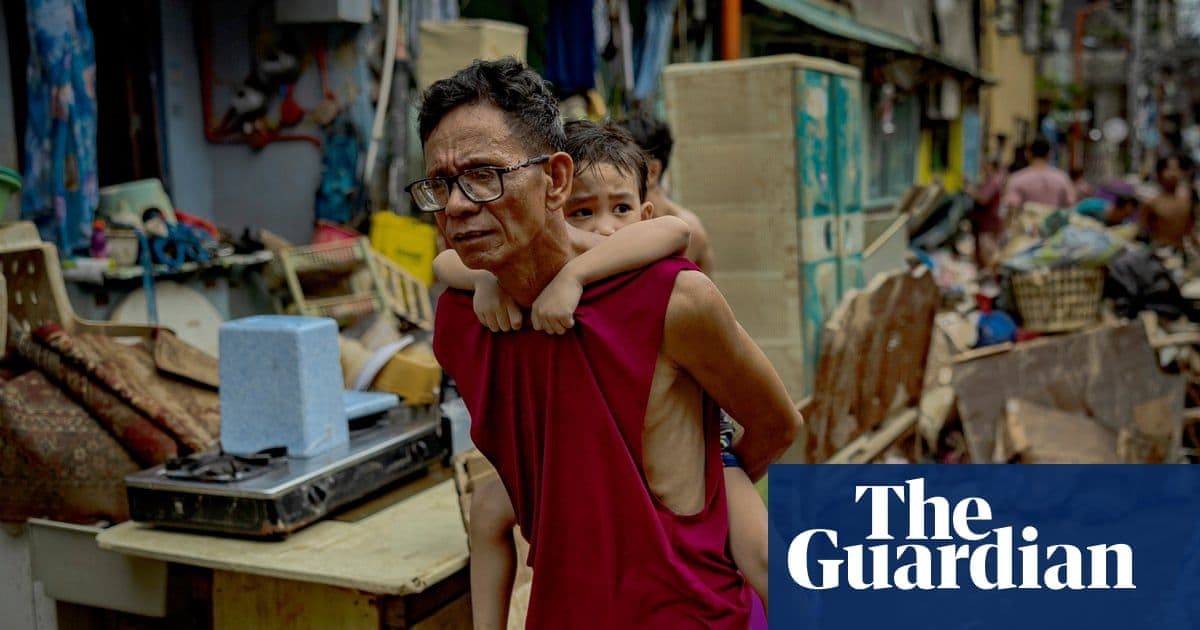
WHO Urged to Declare Climate Crisis a Global Public Health Emergency as Millions of Lives Hang in the Balance
Leading experts warn that without an official WHO emergency declaration on climate change, millions of preventable deaths will occur worldwide.

WHO Urged to Declare Climate Crisis a Global Public Health Emergency
Some of the world's most respected health and climate experts are calling on the World Health Organization to officially classify the climate crisis as a global public health emergency — warning that failure to act decisively will result in millions of avoidable deaths across generations.
An independent pan-European commission, convened under the auspices of the WHO, has concluded that the escalating climate crisis poses such a severe and far-reaching threat to human health that it warrants a formal declaration as a Public Health Emergency of International Concern (Pheic) — the highest-level health alert the WHO can issue.
What Is a Pheic and Why Does It Matter?
Pheics have previously been declared in response to serious infectious disease outbreaks, including Covid-19 and Mpox. While issuing such a declaration would not, by itself, reverse the trajectory of climate change, it would activate a coordinated global response on a scale that the mounting health crisis urgently demands — but has so far failed to receive.
The commission's landmark report, set to be presented to European health ministers ahead of the WHO's World Health Assembly, identifies a range of climate-driven health threats that collectively justify emergency status. These include the rapid spread of vector-borne illnesses such as dengue and chikungunya, the deadly consequences of extreme weather events, rising rates of food insecurity, and worsening air quality.
Expert Voices Sound the Alarm
Katrín Jakobsdóttir, former Prime Minister of Iceland and chair of the 11-member commission, was unequivocal in her assessment.
"The climate crisis may not be a pandemic, but it is still a public health emergency that threatens humanity's very health and survival," she said. "If we don't act more quickly and comprehensively, many millions more people could die or face life-changing illness."
Sir Andrew Haines, Professor of Environmental Change and Public Health at the London School of Hygiene & Tropical Medicine and the commission's chief scientific adviser, stressed that the WHO has already acknowledged climate change as a major health threat — but that a formal Pheic declaration would represent a critical and necessary step forward.
"If we carry on emitting at current rates, that will accelerate the risks to health for both current and future generations," Haines warned. "This includes more people suffering and dying from extreme heat, flooding, and infectious diseases, as well as increased air pollution from wildfires, rising rates of preterm births, and deepening food insecurity."
Fossil Fuel Subsidies: A Public Health Failure
The commission's report also delivered a sharp critique of European governments' continued financial support for the fossil fuel industry. Fossil fuels are directly linked to approximately 600,000 premature deaths per year across Europe alone, yet European nations collectively spend around €444 billion annually subsidising oil and gas production.
In 12 European countries, fossil fuel subsidies in 2023 exceeded 10% of total national health expenditure. In four countries, those subsidies surpassed the entire national health budget.
"This is not a sustainable energy policy — it is a public health failure," Jakobsdóttir said. "European governments are subsidising the very industries responsible for their own citizens' premature deaths. Health leaders need to step firmly into the climate debate, not simply bear the consequences of it."
New Fossil Fuel Investments Would Be 'Catastrophic'
The commission issued a stark warning against any moves to expand fossil fuel subsidies or restart drilling operations, describing such actions as potentially catastrophic for public health, particularly in the context of ongoing geopolitical instability.
Climate Change Is Also a Mental Health Crisis
Beyond the physical toll, the report highlighted the profound psychological impact of climate change, calling for formal recognition that it constitutes a mental health crisis as well. Rising anxiety, chronic stress, and trauma linked to climate-related disasters are already affecting communities across Europe and beyond.
Jakobsdóttir argued that combating climate scepticism and misinformation requires making the issue personal and immediate.
"Climate change is not happening somewhere else, to someone else, in the future," she said. "It is shortening lives in European cities right now. It is filling hospitals. The policies that would fix it — clean air, active travel, insulated homes, sustainable food — are exactly the policies that make people healthier and happier today."
Strengthening Health Systems Against Climate Impacts
The report also called on governments to build more climate-resilient healthcare infrastructure. Many hospitals and health facilities were constructed before the era of climate awareness, leaving them poorly equipped to handle extreme heat events or situated in flood-prone areas.
"Every country needs to know where its health facilities are located, how vulnerable they are to flooding, and how they would manage an extreme and prolonged heatwave," Haines said. "Even in the UK — a temperate country — many hospitals struggle significantly during periods of extreme heat."
Notably, the healthcare sector itself accounts for 5% of global greenhouse gas emissions, underscoring the need for the industry to lead by example in pursuing sustainability alongside resilience.
WHO and Scientists Back the Call
Dr Hans Kluge, WHO Regional Director for Europe, endorsed the commission's findings and framed the issue in broader geopolitical and economic terms.
"The conflicts in Ukraine and the Middle East have made clear what fossil fuel dependency really means — not just higher energy bills, but fractured health systems, disrupted supply chains, and societies under immense pressure," he said. "Acting on climate now is a security argument, a health argument, and an economic argument, all at once. It is also a moral imperative."
Kluge also stressed the generational stakes: "The decisions governments make today will determine the disease burden carried by children who are currently in primary school."
Johan Rockström, Director of the Potsdam Institute for Climate Impact Research, lent additional scientific weight to the call, noting that breaches of multiple planetary boundaries are already manifesting as public health crises affecting millions worldwide.
The Bottom Line
The convergence of scientific, medical, and political voices behind this commission's report signals a growing consensus: the climate crisis is not a distant environmental concern — it is an immediate, escalating, and deeply personal public health emergency. Declaring it as such may be the catalyst the world needs to finally respond with the urgency and coordination the crisis demands.

