Who Gets the Ticket When a Robotaxi Breaks the Law? California's New AV Rules Explained
California's sweeping new autonomous vehicle regulations raise big questions about accountability, data sharing, and the future of self-driving technology.

California Drops 100 Pages of New Rules on the Autonomous Vehicle Industry
The autonomous vehicle industry just got a lot more paperwork to deal with. Two newly released regulatory documents — totaling 100 pages — outline updated requirements for how self-driving vehicles are tested and deployed on California's public roads. After speaking with engineers and policy professionals across the AV sector, one thing is clear: opinions run deep, but few are willing to voice them on the record. Fortunately, the public commentary period on these rules offers a window into what the industry welcomes — and what it strongly resents.
So, Who Actually Gets the Ticket?
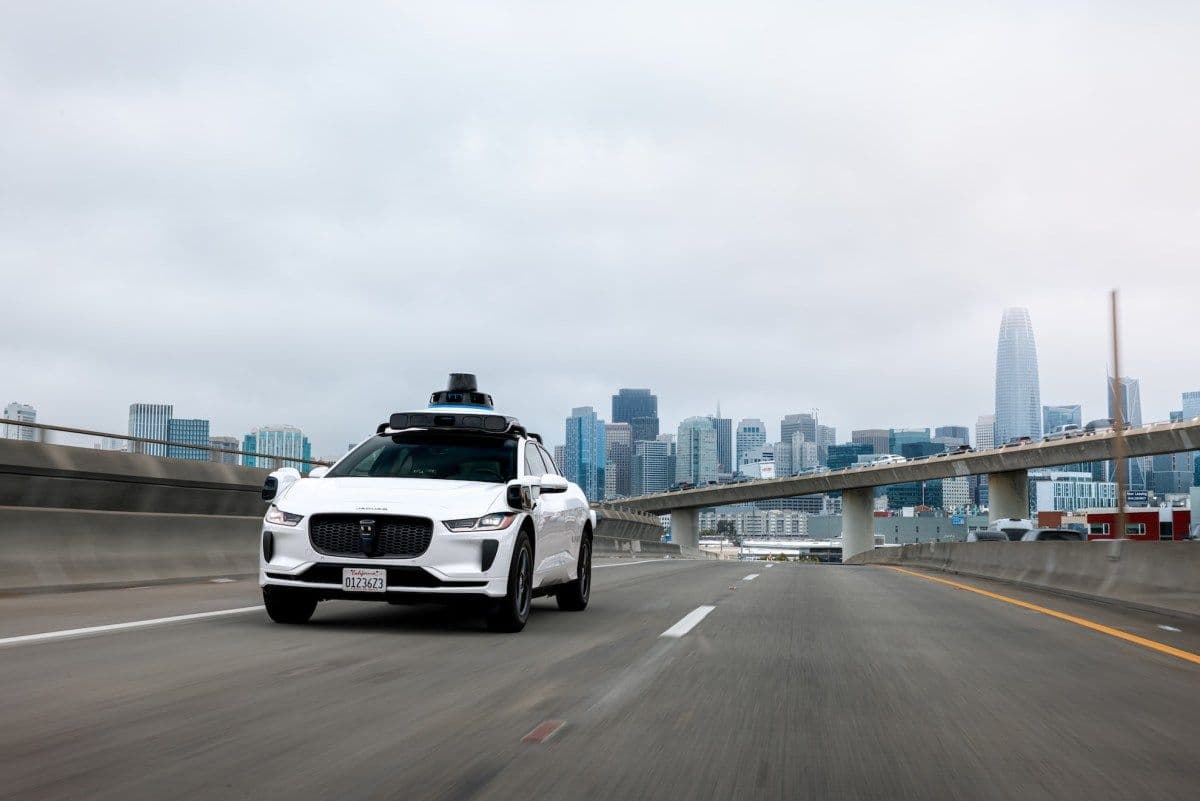
One of the most talked-about provisions in the new framework addresses a surprisingly tricky question: what happens when a robotaxi runs a red light or commits a traffic violation? Under the newly introduced "Notice of Autonomous Vehicle Noncompliance" rule, law enforcement can formally cite the AV company — not a human driver — for any traffic infraction committed by one of its vehicles. Once cited, the manufacturer has 72 hours to report the violation to the California Department of Motor Vehicles.
Notably, these citations don't come with a direct financial penalty. Instead, they function as data points that the DMV can analyze to identify patterns, flag safety issues, and take regulatory action when necessary. Industry insiders suggest that this data-driven approach may actually carry more weight than a simple fine — it creates a paper trail that regulators can act on. Still, the question lingers: why not attach a monetary penalty as well?
A Win for Self-Driving Trucks
Not everything in the new rulebook drew criticism. One development that earned genuine industry applause was the DMV's decision to allow heavy-duty vehicles equipped with autonomous technology to begin testing — and eventually operating — on public roads. Self-driving truck companies have long pushed for this kind of regulatory green light.
Daniel Goff, Vice President of External Affairs at Kodiak, confirmed that the company has already begun preparing the documentation needed to apply for a testing permit. For the freight and logistics sector, this marks a meaningful step forward.
Data Sharing Requirements: The Biggest Headache
If there was one word that surfaced repeatedly in conversations with AV industry professionals, it was "burdensome." That descriptor was almost exclusively directed at the new data collection and sharing mandates embedded in the regulations. Companies are pushing back on what they see as overly broad and operationally demanding requirements that could slow innovation rather than support it.
Out with Disengagement Reports, In with Failure Metrics
Another significant shift involves how vehicle performance is measured and reported. The long-controversial disengagement report — which previously required companies to log every instance where a human driver had to take over from the autonomous system — has been officially retired. Critics of the old system argued that inconsistent standards across companies made these reports virtually useless for comparison purposes.
In its place, manufacturers must now report what's being called a "dynamic driving task performance relevant system failure." While the terminology may sound equally technical, insiders say it's a more precise and consistent benchmark than what came before. That said, it hasn't exactly won hearts across the industry — most describe it as an improvement rather than an ideal solution.
Additional Requirements Worth Noting
Beyond the headline provisions, the new regulations introduce several other operational mandates:
- Annual updates to first responder interaction plans
- Manual vehicle override access to ensure emergency personnel can intervene when needed
- Two-way communication links with response times not exceeding 30 seconds
- Updated training standards to support safe and efficient interactions between autonomous vehicles and first responders
These requirements reflect growing concerns about emergency preparedness as robotaxis become more prevalent on public roads.
Industry & Investment News Roundup
BMW i Ventures Launches $300 Million AI-Focused Fund
BMW's venture arm has unveiled a new $300 million investment fund centered on a forward-looking thesis: artificial intelligence will fundamentally transform how the automotive industry operates. The fund targets early-stage to Series B startups in North America and Europe working on agentic AI, physical AI, industrial software, advanced materials, and supply chain technologies. This third fund pushes BMW i Ventures' total assets under management to $1.1 billion.
Sereact Raises $110 Million in Series B
German robotics startup Sereact closed a $110 million Series B funding round led by VC Headline, with participation from Bullhound Capital, Felix Capital, Daphni, Air Street Capital, Creandum, and Point Nine.
Spirit Airlines Ceases Operations
Spirit Airlines has shut down after failing to secure a $500 million government lifeline. The carrier ceased operations in the early morning hours of Saturday, marking the end of one of America's most recognizable budget carriers.
China Freezes New Autonomous Vehicle Licenses
Following an incident last month in which dozens of Baidu's Apollo Go robotaxis simultaneously stopped operating, Chinese authorities have suspended the issuance of new autonomous vehicle licenses. The move signals growing regulatory scrutiny of AV technology in one of the world's largest markets.
Google's Gemini AI Enters Millions of Vehicles
Google's Gemini AI assistant is being integrated into millions of cars, expanding the reach of AI-powered in-vehicle experiences beyond smartphones and smart speakers.
Rivian Downsizes DOE Loan and Adjusts Georgia Factory Plans
Rivian reported its latest earnings with a notable development: the company has restructured its Department of Energy loan, reducing it from $6.6 billion to $4.5 billion. As part of this shift, Rivian revised its Georgia manufacturing plans. Rather than constructing two separate 200,000-vehicle capacity facilities, the company will build a single 300,000-vehicle factory and hold the adjacent land in reserve for potential future development. Analysts at Barclays characterized the move as a practical adjustment to current EV market conditions, noting that a second Georgia plant is unlikely before the early-to-mid 2030s at the earliest.
Tesla Launches Semi-Charging for Business Program
Tesla introduced a new commercial charging initiative for its Semi truck, featuring a product called the Basecharger — designed specifically for depot and overnight charging scenarios.
Uber Partners with Hertz and Lucid for Robotaxi Operations
Uber has enlisted Hertz to handle cleaning, charging, and maintenance for its Lucid Motors-powered robotaxi fleet. The multi-company arrangement raises an amusing but valid question: just how many partners does it take to run a robotaxi service?
Uber Expands into Hotel Booking
U.S. Uber users can now book hotels directly through the app, courtesy of a new partnership with Expedia Group. At launch, more than 700,000 hotels worldwide are available through the platform — a move that further distances Uber from its ride-hailing roots. The collaboration is particularly fitting given that Uber CEO Dara Khosrowshahi previously led Expedia for 12 years.
Vay Hits 60,000 Rides with Remote Driving Tech
Remote driving startup Vay reports that its fleet has grown to 175 vehicles and has now completed more than 60,000 rides — a milestone that underscores growing demand for human-remotely-operated vehicle services.

