WHO Approves World's First Malaria Treatment Designed Specifically for Infants
A groundbreaking malaria drug for babies as small as 2kg has received WHO approval, offering a lifesaving solution where none previously existed.
A Historic Breakthrough in the Fight Against Infant Malaria
The World Health Organization has granted approval to the very first malaria treatment formulated exclusively for infants, marking a transformative moment in global public health. The decision paves the way for widespread international access to a medication that could save countless young lives each year.
The Scale of the Problem
Malaria has long posed a devastating threat to the youngest and most vulnerable. In certain regions of Africa, as many as 18% of children under six months of age contract the disease. In 2024 alone, malaria claimed approximately 610,000 lives worldwide, with roughly three-quarters of those deaths occurring among children under five years old on the African continent.
Until now, infants diagnosed with malaria had no dedicated treatment option. Medical professionals were forced to administer formulations developed for older children, a practice the WHO warned significantly raised the likelihood of incorrect dosing, adverse side effects, and dangerous toxicity.
Introducing Coartem Baby
The newly approved medication, Coartem Baby, is designed to treat infants weighing as little as 2 kilograms (approximately 4.4 pounds). Developed through a collaboration between global pharmaceutical company Novartis and the Medicines for Malaria Venture (MMV), the drug combines two proven antimalarial compounds — artemether and lumefantrine — in a child-friendly format.
The tablets are cherry-flavored and can be dissolved into liquids, including breast milk, making administration straightforward for parents and caregivers.
WHO Prequalification: What It Means
Coartem Baby has now achieved WHO prequalification status, confirming that it meets rigorous international benchmarks for quality, safety, and effectiveness. This designation is particularly significant because it enables governments and public health organizations in malaria-endemic countries — especially those across sub-Saharan Africa — to procure the drug through public health channels.
WHO Director General Dr. Tedros Adhanom Ghebreyesus expressed cautious optimism about the milestone. "For centuries, malaria has stolen children from their parents, and health, wealth and hope from communities," he said. "But today, the story is changing."
He also highlighted the broader arsenal of tools now available in the fight against malaria, including new vaccines, improved diagnostic technologies, and next-generation mosquito nets.
Rethinking What We Know About Infant Immunity
The development of Coartem Baby has also helped challenge a long-standing medical assumption. It was widely believed that newborns were largely protected from malaria due to immunity transferred from their mothers during pregnancy and breastfeeding. Growing research has called this belief into question, underscoring the urgent need for targeted infant treatments.
A Real-World Success Story From Ghana
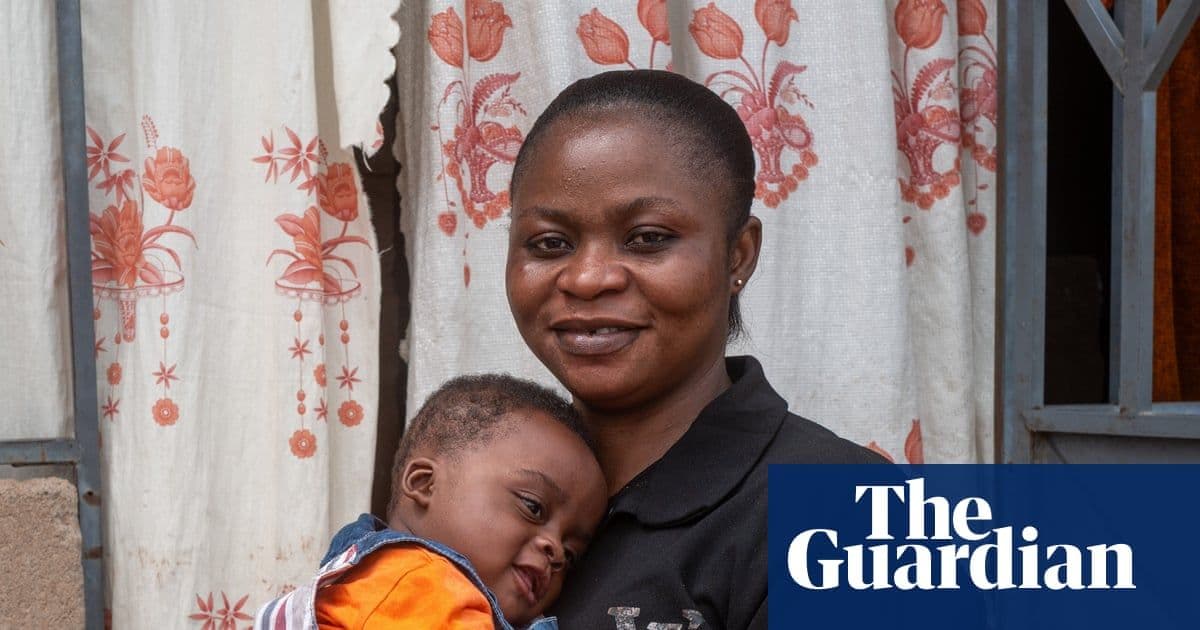
Coartem Baby has already been introduced in Ghana, where its real-world impact is becoming evident. Eight-month-old Baby Wonder was among the earliest recipients of the treatment, receiving it when he was just 12 weeks old after being admitted to hospital with a high fever. Blood tests revealed elevated levels of the malaria parasite in his system.
His mother, Naomi, recalled the fear she felt upon learning of his diagnosis. "I was very scared when my son got malaria because he was born underweight," she said. Thanks to swift coordination by hospital staff to access Coartem Baby, Wonder has since made a full recovery and is healthy and thriving today.
Dr. Emmanuel Aidoo, a paediatrician at Methodist Hospital in Ankaase, Ghana, reflected on how the new treatment is changing clinical practice. "As doctors we have tended to look for malaria in older children, but when newborn babies got sick nobody seemed to know what to do," he said. "Having a new treatment tailor-made for infants that is well tolerated gives us confidence."
Accessibility and Affordability
Novartis has committed to making Coartem Baby available on a largely not-for-profit basis across malaria-endemic regions, addressing concerns that cost could limit access for the countries that need it most.
The Medicines for Malaria Venture, which co-developed the drug, receives support from a range of donors, including the Gates Foundation.
Looking Ahead
The approval of Coartem Baby represents more than a medical advancement — it signals a shift in how the global health community understands and responds to malaria in the earliest stages of life. With dedicated treatment now available, health workers, parents, and communities in high-burden regions have a powerful new tool in their efforts to protect newborns from one of the world's oldest and most deadly diseases.