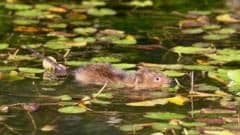
Water Voles Return to Surrey River After Two Decades of Absence
Around 300 water voles have been released into the River Wey in Farnham, marking a significant conservation milestone after the species vanished from the area 20 years ago.

Water Voles Make a Long-Awaited Comeback to the River Wey
After a 20-year absence, water voles are once again swimming through the River Wey in Farnham, Surrey. Approximately 300 of these small, semi-aquatic mammals have been carefully released into the river as part of a coordinated conservation effort aimed at restoring a once-thriving native species to its natural habitat.
Why Water Voles Disappeared in the First Place
Once a familiar sight along British riverbanks, the water vole has earned the troubling distinction of being the UK's fastest-declining mammal. Habitat destruction and predation — particularly by invasive American mink — drove population numbers into freefall across the country. In Surrey specifically, conservationists conducting a county-wide survey between 2014 and 2015 reached a sobering conclusion: water voles were functionally extinct in the region.
Libby Ralph, a Farnham resident and dedicated volunteer who participated in that survey, recalled the emotional weight of that finding. "We searched diligently but very sadly concluded that water voles were functionally extinct in Surrey," she said. Having remembered seeing the animals as recently as the 1980s, Ralph held onto hope. "I have hoped since that moment that one day we'd be able to return them to the River Wey."
A Collaborative Conservation Mission
Monday's release was spearheaded by the National Trust and the Environment Agency, working in close partnership with local community groups and volunteers. It represents the second phase of a broader reintroduction programme — the first cohort of water voles was released near Haslemere last August, with early indicators suggesting those populations have successfully established themselves.
David Elliott, National Trust Lead Ranger for South Downs West, expressed his enthusiasm for the project. "This wonderful little animal is making a comeback and we couldn't be more delighted than to share that with the people of Farnham," he said. Elliott also used the occasion to highlight a broader conservation message: "The water vole is a species that used to be common. The disappearance of the rare is what often grabs people's attention, but the disappearance of the common is what we should all care about."
The Bigger Picture: Restoring the River Wey Ecosystem
The ultimate goal of this initiative extends well beyond Farnham town centre. Conservationists are working toward establishing a self-sustaining water vole population along the entire length of the River Wey — from its source at Black Down in the South Downs National Park all the way to Weybridge, where the river meets the Thames.
Paul Davy, the Environment Agency's River Wey Catchment Coordinator, described the project as essential, calling the water vole "a much-loved native species and ecosystem engineer that has been absent from the Wey catchment for many years."
The Ecological Role of Water Voles
Beyond their cultural significance — famously immortalised as "Ratty" in Kenneth Grahame's beloved novel The Wind in the Willows — water voles serve a genuinely vital ecological function. They form an important part of the food chain, providing sustenance for predators such as barn owls and otters. Additionally, their grazing behaviour actively reshapes riverside habitats, opening up space for rare plant species to thrive and boosting overall biodiversity along waterways.
What Comes Next
Further releases are planned throughout the coming year as conservationists continue to build on the early success of the programme. With community support growing and ecological conditions improving, there is cautious optimism that the water vole will once again become a permanent and thriving resident of Surrey's riverbanks.