War Powers Push Against Trump's Iran Strategy Is Surrender in Disguise
As U.S. forces actively strike Iranian military targets, some in Congress are pushing to pull troops out mid-mission. Rep. Brian Mast calls it capitulation wrapped in procedure.

Pulling Troops Mid-Conflict Isn't Oversight — It's Retreat
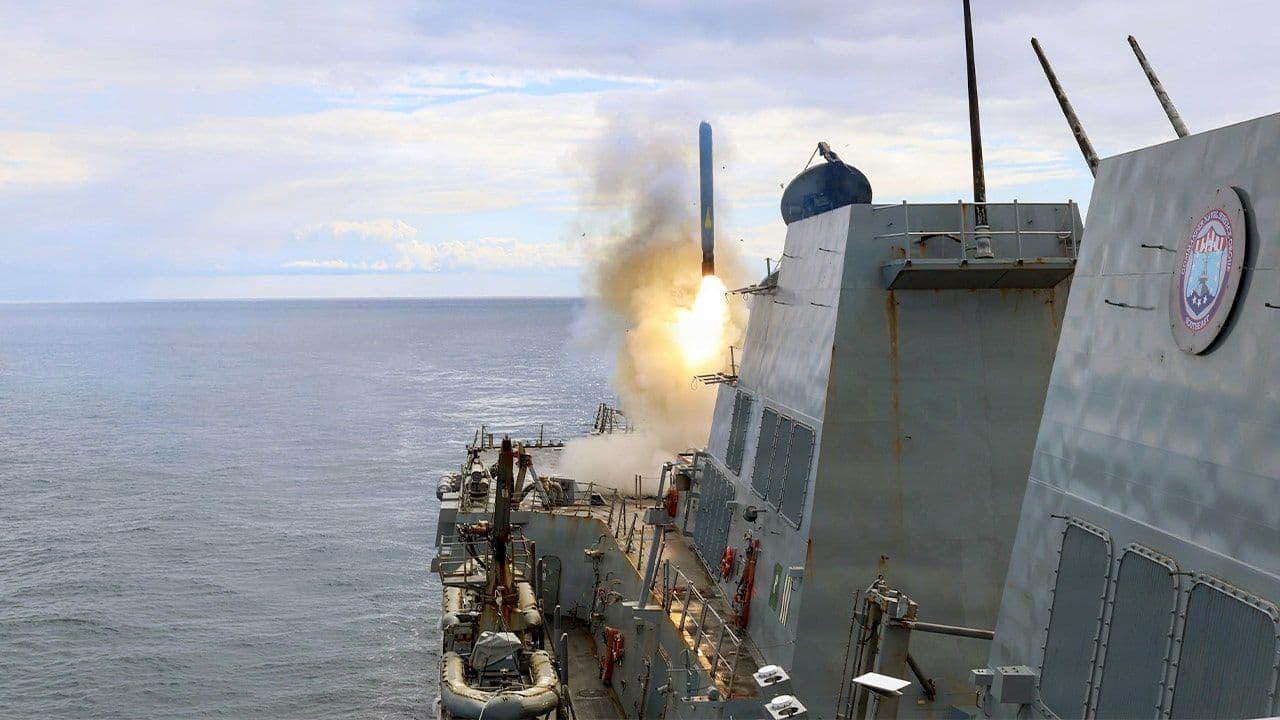
American military forces are currently engaged in active operations against Iran's military infrastructure. Aircraft are striking targets. Servicemembers are defending American lives in real time. This is not a hypothetical scenario being debated in a classroom — it is a live conflict with real consequences.
Yet in the middle of these operations, certain members of Congress are pushing for a war powers resolution that would compel President Donald Trump to withdraw U.S. forces from the region while the threat remains active and immediate. Framing a forced retreat as constitutional procedure doesn't make it responsible governance. It makes it surrender with better branding.
Iran's Hostility Is Not a New Development
Iran has not suddenly emerged as a dangerous adversary. For nearly five decades, the Islamic regime has openly called for the destruction of the United States. Its track record includes taking American diplomats hostage, bombing U.S. embassies, arming terrorist organizations like Hezbollah and Hamas, funding militias responsible for killing American troops, and launching repeated missile strikes against U.S. military bases across the Middle East.
These are not isolated incidents. They represent a sustained, decades-long campaign of aggression against American interests and personnel.
Every American administration has tried a different approach — economic sanctions, diplomatic negotiations, multilateral containment strategies. Iran's response has been consistent: delay, deceive, continue bankrolling terrorism, and keep advancing its weapons programs.
The UN and Weak Diplomacy Have Failed to Hold Iran Accountable
For those who believe international institutions can solve this problem, consider this: the United Nations — an organization widely regarded as the world's foremost multilateral body — appointed Iran as vice-chair of a UN commission focused on democracy and women's rights.
This is the same regime that imprisons, flogs, and executes women for refusing to wear the hijab. A government that restricts women's freedom of movement, limits their access to employment and travel, and has violently suppressed women-led protests. The notion that the UN would take meaningful action to counter Iran's nuclear ambitions or regional aggression is not just optimistic — it is completely disconnected from reality.
Past U.S. Policies Empowered the Iranian Regime
Domestic policy failures have compounded the problem. The Obama administration's Joint Comprehensive Plan of Action (JCPOA) delivered significant financial relief to Tehran — including pallets of cash — while lifting crippling economic sanctions. Critically, the agreement did nothing to dismantle Iran's ballistic missile program or curtail its sponsorship of regional terrorist proxies. The deal funneled resources directly into the hands of the regime's militant partners and emboldened Iran's leadership.
Under the Biden administration, Iran gained access to more than $16 billion in previously frozen assets. Those funds provided the regime with renewed capacity to finance terrorism globally and accelerate the very threat it has posed to American security for decades.
Defining What Constitutes an Imminent Threat
The debate over what qualifies as an "imminent threat" has become a political flashpoint. But the historical record makes the definition clear.
The killing of American soldiers at Tower 22 in Jordan — that was an imminent threat. The 1983 and 1984 embassy bombings in Beirut that claimed hundreds of lives — those were imminent threats. The repeated missile and drone attacks on U.S. bases in Iraq and Syria over the past two decades — all imminent threats. And every one of those attacks occurred before Iran possessed nuclear weapons.
Now consider the stakes with a nuclear dimension added. Iran is actively enriching uranium, developing weapons designs, and stockpiling the materials required to build a nuclear device. Waiting until a warhead is physically mounted on a missile and aimed at an American city is not a strategy — it is a catastrophic failure of foresight.
The Logic of Early Action
The danger begins the moment a hostile regime starts constructing the weapon. Allowing the threat to fully materialize before responding does not demonstrate restraint — it invites devastation. A nuclear-armed Iran would embolden every terrorist proxy it currently funds, destabilize the entire Middle East, and place American cities within striking range of a government that openly and repeatedly calls for America's destruction.
Taking decisive action now is not recklessness. It is prevention — protecting potentially millions of American lives before the worst-case scenario becomes unavoidable.
Forcing a Withdrawal Now Would Create a Dangerous Power Vacuum
Proponents of the war powers resolution argue that pulling U.S. forces out of the region would reduce tensions and prevent escalation. The opposite is true.
Thousands of American civilians — diplomats, contractors, and business professionals — live and operate throughout the Middle East. They depend on U.S. air defense systems, rapid response capabilities, and regional force presence for their safety. An abrupt military withdrawal would eliminate that protective layer overnight, creating a vacuum that Iran would eagerly fill.
American allies, including Israel and Gulf state partners, rely on joint operations, naval patrols, and shared missile defense infrastructure. A sudden withdrawal sends an unmistakable message to both adversaries and allies: sustained pressure works, and American commitments are conditional. That is not deterrence. That is an open invitation for further aggression.
Congress Has a Role — But Not to Sabotage Troops in Combat
Congress unquestionably holds constitutional war powers responsibilities. Oversight, funding decisions, and long-term strategic direction all fall within the legislative branch's legitimate purview. But exercising those powers in a way that undermines active military operations and exposes troops to greater danger is not principled oversight — it is political maneuvering at the worst possible moment.
President Trump has communicated his objective clearly: neutralize every piece of Iranian military hardware capable of targeting Americans, because Iran has demonstrated time and again that it will use every available weapon against U.S. interests at every available opportunity. Under Article II of the Constitution and the framework established by the War Powers Resolution itself, the president has the authority to respond to imminent threats against the United States.
What distinguishes the current moment is not legal authority — previous presidents had the same tools available. What is different is the willingness to act decisively rather than defer, delay, or outsource the decision to institutions that have consistently failed to hold Iran accountable.
The right response from Congress is to stand behind the mission, support the servicemembers carrying it out, and let the operation achieve its objective. Anything less is not a war powers debate — it is a white flag dressed in legislative language.
