Virginia's Anti-ICE Legislation: A Constitutional Crisis Brewing Between State and Federal Power
Virginia is pushing forward laws that could criminalize ICE agents for doing their jobs. Legal experts warn this sets a dangerous constitutional precedent.

Virginia's War on Federal Immigration Enforcement
Immigration enforcement sits at the very heart of federal authority. The U.S. Constitution is unambiguous on this point: Congress holds the power to craft immigration law under Article I, while the President bears the responsibility to enforce it under Article II. States have no constitutional standing to interfere with — let alone actively obstruct — these federal functions.
Yet Virginia appears to be doing exactly that.
A Deadly Case That Exposes the Stakes
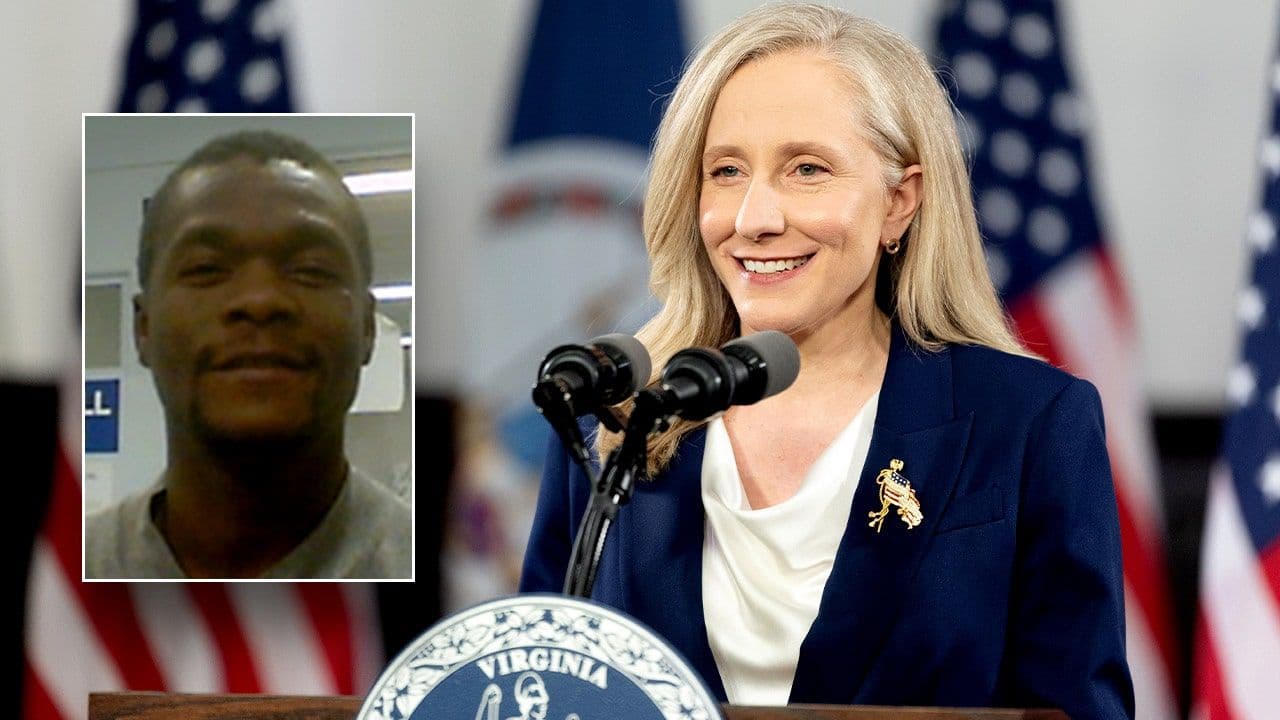
The human cost of sanctuary policies became tragically real this week when Abdul Jalloh, an illegal immigrant who entered the United States in 2012, allegedly stabbed 41-year-old Stephanie Minter to death at a Virginia bus stop. Jalloh had accumulated approximately 30 arrests in Virginia, including charges for rape and four separate stabbing incidents.
Despite this alarming record, Fairfax County's legal system resulted in only a single felony conviction. After violating probation and serving just three months in jail, Jalloh was released — the product of a plea arrangement between his defense attorney and the office of Fairfax County District Attorney Steve Descano. Law enforcement officials had repeatedly warned Descano's office via written communication that releasing Jalloh would pose a serious threat to public safety. Those warnings went unheeded.
Critically, Fairfax County operates as a sanctuary jurisdiction, meaning local officials do not inform ICE when detaining or releasing individuals like Jalloh, who had been under a final order of removal since 2020.
The Legislative Push Against ICE
Virginia Governor Abigail Spanberger, who campaigned as a political moderate, moved quickly after taking office to distance her administration from federal immigration enforcement. She issued an executive directive barring state officials from cooperating with ICE — a move that critics argue directly undermines federal law.
Several additional pieces of legislation now await her signature, each targeting federal immigration operations in distinct ways:
Key Provisions Under Review
- Courthouse Arrest Prohibition — Would bar ICE agents from making arrests at courthouses, locations where individuals with immigration violations appear regularly.
- Polling Place Restrictions — Would prevent ICE enforcement within 40 feet of polling locations.
- Mask Criminalization — Would impose criminal penalties on ICE agents who conceal their identities while on duty — a practice many agents rely on to protect themselves and their families from retaliation.
Legal analysts note that this third provision is particularly striking. The U.S. Court of Appeals for the 9th Circuit recently blocked California's similar prohibition on ICE agents wearing masks, finding it unconstitutional. Virginia's version would face comparable legal scrutiny.
The Constitutional Argument Against State Obstruction
The Supremacy Clause of the U.S. Constitution establishes that federal law takes precedence over state law in any area where federal authority is clearly defined. Immigration is one of the most well-established domains of federal power.
While states are not legally obligated to actively assist ICE — by, for example, dedicating state law enforcement resources to federal immigration operations — they are constitutionally prohibited from actively obstructing those operations. Virginia's proposed legislation crosses that line, particularly in its attempt to subject federal agents to criminal prosecution for carrying out lawful federal duties.
If an ICE agent faces the threat of state arrest while performing their duties, federal law recognizes their right to use force in self-defense. The potential for violent confrontation between state and federal law enforcement is not hypothetical — it is a foreseeable consequence of these legislative proposals.
What Federal Authorities Could Do
Should Governor Spanberger sign these bills into law, the Department of Justice would have several legal avenues available:
- Immediate civil litigation seeking injunctions to block enforcement of the unconstitutional provisions
- Federal criminal prosecution of state officials who participate in efforts to arrest or obstruct ICE agents, potentially under statutes covering seditious conspiracy (18 U.S.C. § 2384) and insurrection (18 U.S.C. § 2383)
- Invocation of the Insurrection Act of 1807, which grants the federal executive broad authority to restore order when state governments defy federal law
A Pattern With Historical Echoes
The standoff between Virginia and the federal government over immigration enforcement draws uncomfortable historical comparisons. During the era of desegregation, Southern states similarly attempted to nullify federal law through a combination of local legislation and executive resistance. The federal government ultimately prevailed, reinforcing the principle that no state may selectively invalidate federal authority.
If Virginia succeeds in effectively nullifying federal immigration enforcement within its borders, it would establish a precedent allowing any state to obstruct any federal law it finds politically unacceptable — a scenario with far-reaching implications for national governance.
The Bottom Line
American voters delivered a clear mandate in recent elections to restore order at the southern border and address the consequences of years of lax enforcement. Elected officials at the state level who actively work to undermine that mandate — through legislation that exposes federal agents to criminal prosecution — are not simply engaging in political disagreement. They are, arguably, placing themselves in direct conflict with constitutional law.
Governor Spanberger still has the opportunity to veto these measures and chart a more legally defensible course. Whether she does so will determine how aggressively the federal government responds — and how far this confrontation ultimately goes.

