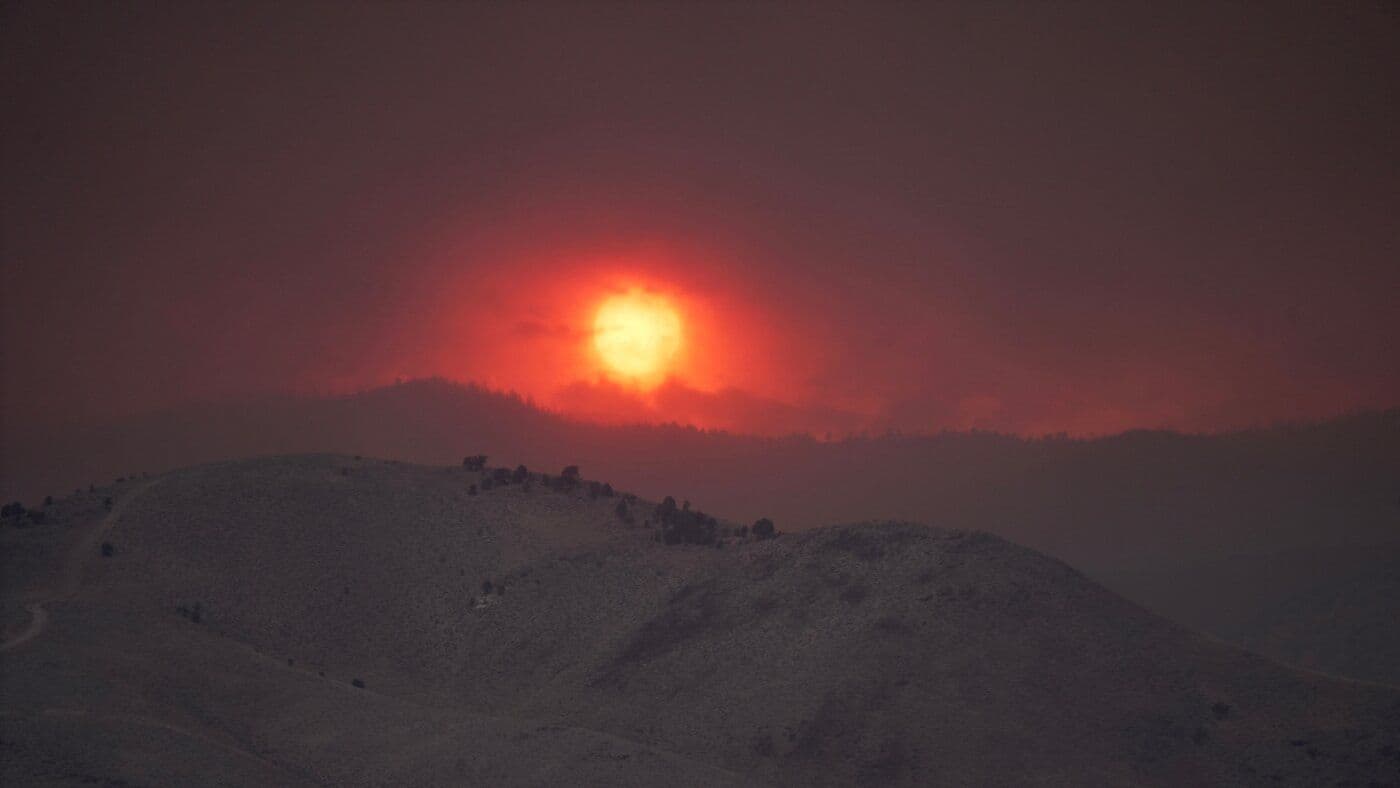
Utah's Cottonwood Fire Rages Unchecked as Historic Fire Weather Grips the West
Firefighters battling the largest active wildfire in the U.S. face unprecedented weather conditions, with no containment in sight through the weekend.

Utah Wildfire Crisis Deepens Amid Record-Breaking Fire Conditions
Firefighters on the front lines of the nation's largest active wildfire are facing an uphill battle as a rare and dangerous combination of weather factors pushes the blaze beyond their control. The Cottonwood Fire, burning across a remote stretch of southern Utah, continues to spread unchecked — and conditions show no sign of improving anytime soon.
An Unprecedented Weather Warning
For the first time in its operational history, the National Weather Service office in Salt Lake City issued a "particularly dangerous situation" red flag warning across parts of Utah on Friday. The extraordinary alert was triggered by a volatile mix of fierce winds, soaring temperatures, and dangerously low humidity levels — a trifecta that creates near-perfect conditions for explosive fire behavior.
Those conditions are expected to persist well into Sunday, posing severe challenges to containment efforts on the ground.
"Our biggest challenge right now is that we have single-digit humidities and wind gusts reaching around 45 miles per hour," said Alyssa Mason, a spokesperson assigned to the Cottonwood Fire. "That's on top of fuel moistures sitting between just 2 and 8 percent."
Fire Forces Crews Off the Line
On Friday afternoon, the dangerous combination of conditions compelled incident commanders to temporarily pull crews back from the fire line for their own safety. Firefighting aircraft, including helicopters, were also grounded as wind speeds made aerial operations impossible.
The Cottonwood Fire has now scorched an area exceeding the total footprint of Salt Lake City itself, yet remains zero percent contained.
A Drought-Stricken Landscape Ready to Burn
The severity of this fire season is rooted in months of abnormally dry conditions across the Intermountain West. Utah, Nevada, Colorado, and neighboring states have been gripped by widespread drought following a historically poor winter snowpack season.
Surveyors recorded the lowest snow levels ever measured in parts of the Rocky Mountains this past winter. In Utah specifically, the snowpack — which supplies a significant portion of the state's water as it melts each spring — peaked three full weeks earlier than average and hit the lowest level ever recorded, according to the Utah Division of Water Resources.
This parched landscape has left vegetation bone dry and highly combustible, accelerating the spread of wildfires across the region.
Governor Declares Emergency, Restricts Fireworks
With multiple large fires straining resources and drought conditions showing no sign of easing, Utah Governor Spencer Cox issued an emergency order last week placing temporary restrictions on firework displays through the Fourth of July holiday.
"When people who have dedicated their lives to protecting Utah tell us this year is different, we desperately need to listen," Cox said during a press conference announcing the move.
Firefighters may get a modest break next week, according to the National Weather Service, as cooler temperatures and slightly higher humidity levels are forecast to move through the region — though the underlying drought conditions will remain a concern.
The Bigger Picture: Climate, History, and a Worsening Crisis
The Cottonwood Fire is not an isolated incident. According to the U.S. Forest Service, the overwhelming majority of wildfires that ignite across the country each year are caused by human activity. And as global temperatures continue to climb due to human-driven climate change, the fires that do start are becoming increasingly destructive.
A study published this week in the Proceedings of the National Academy of Sciences revealed a staggering trend: forest fires in the U.S. now burn ten times more acreage annually than they did in 1985.
While fire itself is a natural and even necessary part of many ecosystems — helping clear undergrowth and encourage forest regeneration — a century of aggressive wildfire suppression has left many American forests dangerously overgrown. That accumulated fuel load, combined with rising temperatures and increasingly erratic precipitation patterns, has shifted the balance sharply toward high-severity, destructive fires.
The consequences extend far beyond scorched landscapes. Mitchell Hung, an earth-systems researcher who led the study as a graduate student at UCLA, emphasized the real-world costs of forest loss.
"The loss of these forests isn't just about losing a scenic view," Hung said. "There are profound socioeconomic impacts. Real dollars are being lost each year due to high-severity forest fire."
As the Cottonwood Fire continues to burn and fire weather grips the West, the crisis serves as a stark reminder of the compounding risks that a warming climate poses to communities, ecosystems, and the people who protect them.

