U.S. Wildland Fire Service Gears Up for a Potentially Devastating Fire Season
The newly established U.S. Wildland Fire Service is ramping up resources and aircraft ahead of what experts fear could be an extreme wildfire season across the country.

A New Agency Faces Its First Major Test
As the United States braces for what forecasters are warning could be an exceptionally dangerous wildfire season, the newly created U.S. Wildland Fire Service is wasting no time getting its operations into high gear. At the helm of this fledgling agency is Brian Fennessy, who is already making bold moves to ensure his team is prepared for the worst.
Early Action on Aircraft and Resources
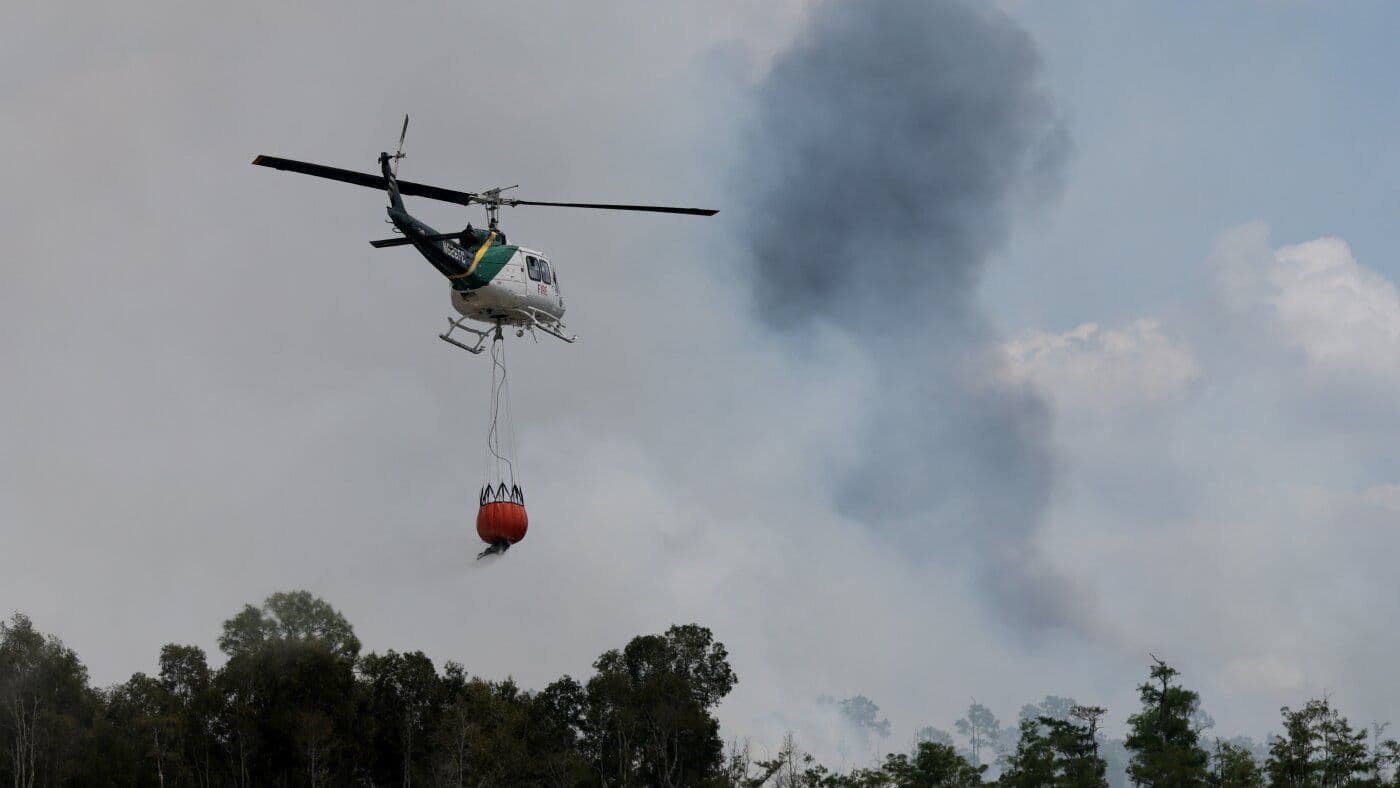
Fennessy has been direct and unapologetic about the agency's strategy heading into the season. In recent statements, he confirmed that the Wildland Fire Service is actively working to secure additional firefighting aircraft — and doing so earlier than traditional timelines would typically demand.
"We're dry," Fennessy noted, underscoring the alarming moisture conditions across much of the country that serve as the perfect kindling for large-scale wildfires. His agency's proactive approach reflects a broader recognition that waiting until fires ignite is no longer a viable strategy.
Why Early Deployment Matters
Pre-positioning aircraft and crews before peak fire conditions develop is a tactic that fire management experts have increasingly advocated for. Getting resources in place ahead of demand can mean the difference between containing a small blaze and watching it grow into a catastrophic inferno that threatens communities, wildlife, and ecosystems.
Dismissing Critics of Prevention Methods
Not everyone has been supportive of the agency's chosen approach to wildfire prevention. However, Fennessy has firmly pushed back against critics who have questioned the methods being employed. He remains confident that the strategies his agency is pursuing are grounded in sound science and operational experience.
The debate over wildfire prevention — including the role of controlled burns, forest thinning, and land management practices — has long been a contentious one. Fennessy's willingness to defend his agency's methods signals a leadership style that prioritizes decisive action over political caution.
The Bigger Picture
The creation of the U.S. Wildland Fire Service itself represents a significant structural shift in how the federal government manages the growing wildfire crisis. With climate conditions continuing to create longer, more intense fire seasons, having a dedicated agency focused solely on wildland fire response is seen by many as a necessary evolution.
As the season progresses, all eyes will be on Fennessy and his team to see whether early preparation and expanded aerial resources can help mitigate what many are predicting will be an extraordinarily challenging year on the fire lines.

