US Government Distributes $3 Million to Havana Syndrome Victims Among Intelligence and Diplomatic Corps
The US has paid nearly $3 million to victims of Havana Syndrome, a mysterious neurological illness first reported by CIA officers in Cuba a decade ago.

US Pays $3 Million in Compensation to Havana Syndrome Victims
The United States government has disbursed close to $3 million (approximately £2.2 million) in compensation to individuals affected by Havana Syndrome — a baffling neurological condition that has plagued intelligence officers, diplomats, and their family members for nearly a decade. These represent the first official payments made to affected agency personnel under the Havana Act, legislation signed into law in 2021.
A Mystery That Began in Cuba
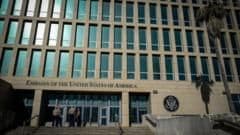
Reports of the strange illness first surfaced publicly in 2016, when American diplomats stationed in Havana, Cuba began falling ill and describing unusual auditory experiences during the night. CIA officers working in the Cuban capital were among the earliest to come forward, setting off a wave of concern within the intelligence community.
Since then, US personnel based in other countries — including China and various locations around the globe — have documented what officials now refer to as "anomalous health incidents." Even Washington itself has not been immune to reported cases.
Disturbing Symptoms Reported by Victims
Those who have experienced Havana Syndrome describe a deeply unsettling range of symptoms, including:
- Hearing low hums, clicks, squealing noises, and sounds likened to "grinding metal"
- Intense pressure felt within the skull
- Persistent dizziness and nausea
- Difficulty concentrating and cognitive impairment
Former CIA analyst Erika Stith captured the severity of the condition in a 2022 interview with CBS News, stating plainly, "My brain is broken. We got this as a result of serving our country. And we deserve to be taken care of."
Government Response and Diplomatic Fallout
The scale of reported incidents prompted significant diplomatic action. In 2017, the US government recalled more than half of its embassy staff from Havana after employees and their families reported escalating symptoms. Canada similarly reduced its diplomatic presence in Cuba in 2019, following comparable complaints from its own embassy workers.
The US Department of Defence reaffirmed its commitment to prioritizing "the care of affected personnel" alongside its announcement of the compensation payouts.
Who or What Is Behind Havana Syndrome?
The origin of Havana Syndrome has fueled intense speculation for years. A leading theory suggests that a foreign adversary may have deployed some form of directed energy or sonic weapon against American and allied personnel abroad. Microwave-based technology has been frequently cited as a possible mechanism.
However, a comprehensive assessment released last year by the National Intelligence Council concluded that it was "very unlikely" that a foreign power had used a novel or prototype weapon to target US government employees and their families. That said, a minority faction within the US intelligence community stopped short of completely ruling out that possibility.
Importantly, the report made clear that none of the intelligence agencies involved "called into question the experiences or suffering" of those affected. Officials acknowledged that victims had endured genuine, often painful and traumatic physical symptoms, and had reported them honestly and in good faith.
A Condition With Deeper Roots?
While Havana Syndrome gained public attention roughly a decade ago, some researchers and analysts believe the condition — or something very similar — may have existed far longer, with potential connections stretching back to the Cold War era. This broader historical context continues to add layers of complexity to an already deeply puzzling medical and geopolitical mystery.
As investigations continue and more victims come forward, the US government faces mounting pressure to uncover the truth behind one of the most enigmatic health crises to emerge from the world of international diplomacy.

