US and Venezuela Restore Diplomatic Ties in Push for Democratic Transition
Washington and Venezuela's interim government have agreed to reestablish full diplomatic and consular relations, marking a significant shift in US foreign policy toward the South American nation.

US Restores Diplomatic Relations with Venezuela
The United States has taken a significant diplomatic step by agreeing to reestablish formal relations with Venezuela's interim authorities, according to an official statement released by the State Department on March 5. The move signals a notable shift in Washington's approach to the long-troubled South American nation.
"The United States and Venezuela's interim authorities have agreed to reestablish diplomatic and consular relations," the State Department confirmed, adding that the agreement is designed to promote stability, support economic recovery, and advance political reconciliation within the country.
A Phased Approach Toward Democratic Governance
According to the State Department, the renewed engagement is part of a broader, structured effort to help the Venezuelan people transition toward a democratically elected government. Officials described the process as phased, aimed at creating the necessary conditions for a peaceful and legitimate political transition.
Despite the announcement, the State Department stopped short of providing a timeline for when embassy operations or visa services might resume. The statement also made no mention of potential changes to existing sanctions, migration policy adjustments, or specific security cooperation frameworks.
High-Level US Engagement Precedes Announcement
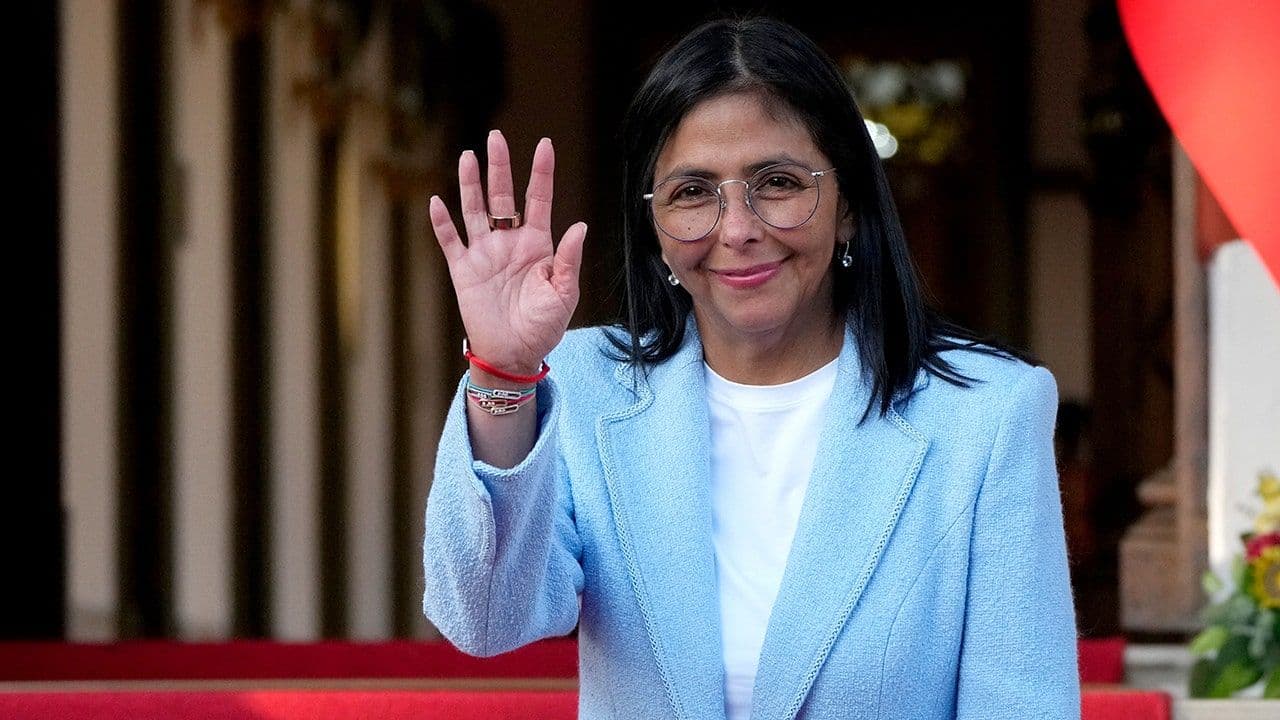
The diplomatic breakthrough follows months of intensifying engagement between Washington and Caracas. US Interior Secretary Doug Burgum traveled to the Venezuelan capital on March 4 for a two-day visit, where he held direct meetings with Venezuela's interim President Delcy Rodríguez.
During those discussions, Burgum explored opportunities tied to mining investments and critical minerals supply chains — sectors increasingly vital to US strategic interests. Venezuela's interim government reportedly extended security guarantees to foreign mining companies considering investments in the country.
CIA Director's Visit Adds Weight to Diplomatic Push
Adding further significance to the diplomatic activity, CIA Director William Burns was also reported to have traveled to Venezuela for a meeting with Acting President Delcy Rodríguez, underscoring the depth of high-level US interest in the country's political future.
Former President Maduro Faces Federal Charges
The backdrop to this diplomatic realignment is dramatic. Former Venezuelan President Nicolás Maduro was captured by US forces in Caracas on January 3. Just two days after his arrest, Maduro and his wife, Cilia Flores, appeared in federal court in New York, where both pleaded not guilty to serious charges including narco-terrorism conspiracy, cocaine importation conspiracy, and multiple weapons-related offenses.
What Restored Relations Mean in Practice
The reestablishment of diplomatic and consular relations between two governments typically involves a range of practical functions — from government-to-government dialogue and policy coordination to the operation of embassies and consulates that handle visa processing, citizen services, and broader diplomatic activities.
As of now, it remains unclear precisely when these services will resume in Venezuela.
"The United States remains committed to supporting the Venezuelan people and working with partners across the region to advance stability and prosperity," the State Department stated.
The White House had not issued a formal response at the time of this report.

