UK Woman Wins Landmark NHS Ruling After 10-Year Fight for Female Sterilisation
Leah Spasova battled a decade of NHS refusals for tubal ligation while men accessed vasectomies freely. Her ombudsman victory is reshaping women's healthcare rights.

UK Woman Wins Landmark NHS Ruling After 10-Year Fight for Female Sterilisation
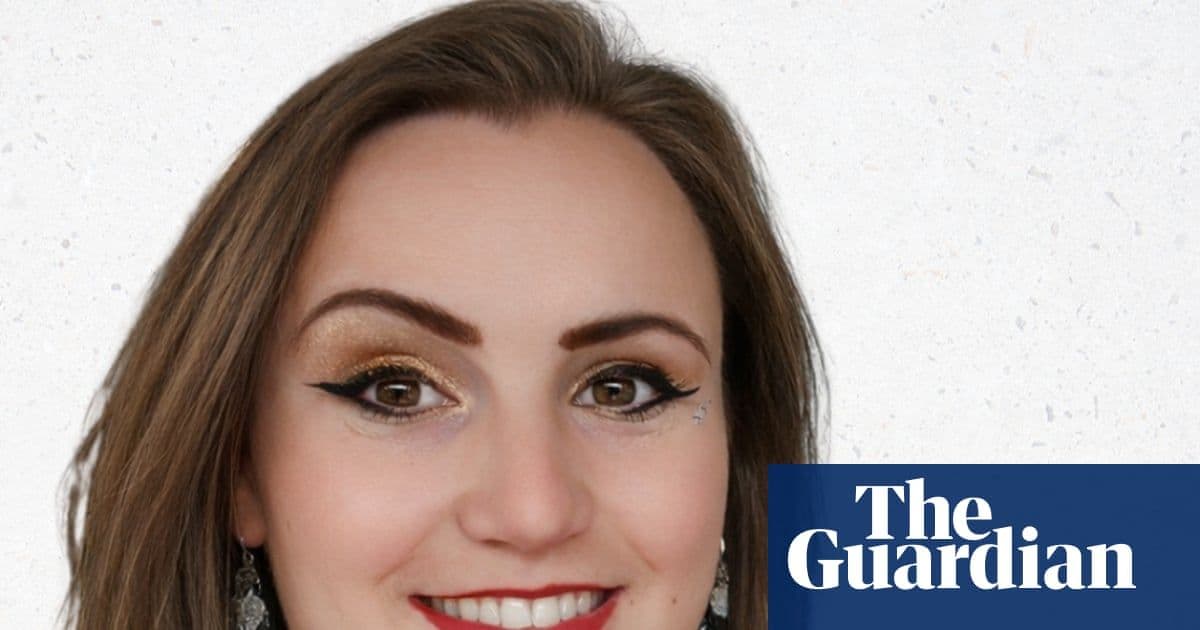
A woman from Oxfordshire has secured a landmark victory against the NHS after spending a decade being denied a permanent contraception procedure — a service that was simultaneously available to men without the same restrictions.
Leah Spasova, a psychologist by profession, took her case all the way to the Parliamentary and Health Service Ombudsman following repeated refusals from her local integrated care board (ICB). The ombudsman has now ruled decisively in her favour, exposing a deeply unequal approach to reproductive healthcare on the NHS.
A Decade of Denial
Spasova had been seeking a tubal ligation — a surgical procedure that seals or blocks the fallopian tubes to permanently prevent pregnancy. The operation is typically performed under general anaesthetic via keyhole surgery and requires a few weeks of recovery.
Her local trust, the Buckinghamshire, Oxfordshire and Berkshire West Integrated Care Board (ICB), repeatedly refused to fund the procedure. Their stated reasons included concerns about potential regret and cost-effectiveness — criteria that, crucially, were never applied to men requesting vasectomies.
A vasectomy, by comparison, is a minor outpatient procedure performed under local anaesthetic and completed in under 30 minutes. Both procedures achieve the same outcome: permanent contraception. Yet the NHS was, in practice, treating them as two entirely different tiers of care.
Knowing Her Own Mind
Spasova said she recognised from an early age that motherhood was not the path she wanted to take.
"I was probably about 22 when I realised children weren't for me. It's a lifestyle, it's forever work. It's a lifetime commitment," she explained. "I understood quite young that I didn't want that level of anxiety in my life and that I didn't want to make that commitment."
Her initial requests in her early twenties were dismissed on the grounds that she was too young to make such a decision — a response she found deeply frustrating and patronising.
The Ombudsman's Ruling
After formally escalating her complaint, the ombudsman launched an investigation into the ICB's commissioning practices. The findings were damning.
Investigators concluded that the ICB had applied the concept of "regret" as a reason to deny funding to women — a standard never imposed on men pursuing vasectomies. The ruling deemed the policy unfair, inconsistent, and driven by subjective reasoning, and found that women were not being afforded the same right as men to make informed choices about their own reproductive health.
Ombudsman Paula Sussex issued a pointed statement following the ruling: "The issue highlighted in Leah's case about the commissioning and managing of services by ICBs is not an isolated one. We are concerned that there may be similar wider problems affecting multiple areas of healthcare, and that the system is not consistently meeting people's needs."
Sussex also acknowledged the broader significance of Spasova's persistence: "This case shows the power of the patient voice. Leah complained about her experience and the ICB is now reviewing its sterilisation policy."
Unequal Access and the Cost Argument
In a formal letter submitted to the trust in 2023, Spasova highlighted the contradictions at the heart of the ICB's reasoning.
"The procedure is available nationwide, it is funded and it is approved by NICE, and yet it feels like the decision makers were playing 'healthcare postcode lottery' with people's bodily autonomy by not offering, and defunding, the procedure in Oxfordshire," she wrote.
Spasova also dismantled the cost-effectiveness argument put forward by the ICB. Private tubal ligation, she noted, carries a price tag of between £2,000 and £4,000, while NHS-funded female sterilisation costs approximately £1,000. By contrast, funding the contraceptive pill for a woman over 20 years — at today's average price — would cost the NHS more than £5,000.
The ombudsman's investigation further found that the ICB had failed to explain why it had disregarded established clinical guidance, which indicates that sterilisation should be accessible to women and that counselling — rather than outright refusal — is the appropriate way to handle concerns about potential regret.
Policy Change and Ongoing Inequality
Following Spasova's complaint, a regional advisory committee reviewed contraceptive funding across six integrated care boards in south-east England. Four of those ICBs had already been funding female sterilisation. After acknowledging the equality implications of the disparity, the committee recommended that female sterilisation be fully funded, removing regret and the availability of alternative contraception as grounds for refusal.
Despite this progress, Spasova maintains that inequality persists in practice. She pointed out that her local NHS trust has recently moved to expand access for men seeking vasectomies — including enabling self-referral without requiring a GP — while women seeking sterilisation are still required to demonstrate that they have already tried and found long-acting contraceptive methods unsuitable.
"That's the same as forcing men to use condoms for a 'therapeutic trial' when they are requesting a vasectomy," she said. "The bottom line is: men are granted the right to bodily autonomy and healthcare on the NHS and women are not."
ICB Response
A spokesperson for NHS Thames Valley, the relevant ICB, acknowledged the ombudsman's findings and confirmed steps are being taken to address both the policy and its complaints-handling processes.
"NHS Thames Valley accepts the findings of the parliamentary and health service ombudsman regarding historical decision-making in this case. Since that time, NHS Thames Valley has introduced a new policy to ensure that patients who meet the criteria are able to access female sterilisation," the spokesperson said.
They added that the organisation is also redesigning its complaints function to ensure concerns are handled more effectively and in a timelier manner.
A Broader Warning for the NHS
While Spasova's case has resulted in a policy change for her region, the ombudsman's comments suggest this may be symptomatic of wider systemic issues across NHS commissioning in England. The ruling raises urgent questions about how consistently — and fairly — reproductive healthcare is being delivered to women across the country, and whether bodily autonomy is being applied as an equal right regardless of gender.