UK Passengers From Hantavirus-Stricken Cruise Ship Facing 45-Day Isolation on Return Home
British nationals aboard the hantavirus-affected MV Hondius cruise ship will face a 45-day self-isolation period upon returning to the UK, health officials confirm.

UK Nationals From Hantavirus Cruise Ship to Face 45-Day Isolation
British passengers aboard a cruise ship at the centre of a deadly hantavirus outbreak are expected to be required to self-isolate for 45 days upon returning to the United Kingdom, according to health authorities. Two British nationals who disembarked the vessel earlier in the voyage are already isolating at their homes in Britain.
Two Early Departures Already Isolating
The UK Health Security Agency (UKHSA) has confirmed that neither of the two British individuals who left the MV Hondius at Saint Helena in late April are currently experiencing symptoms. However, due to the possibility that they may have been exposed to the virus before the outbreak was officially identified, both have agreed to undergo a precautionary isolation period.
Prof Robin May, Chief Scientific Officer at the UKHSA, confirmed the pair had departed the cruise ship before the outbreak was even detected. He stated: "There's a chance they may have been exposed to the virus, so we have been in contact with them. They have agreed very kindly to self-isolate for the next period of time."
The Situation Onboard the MV Hondius
The MV Hondius, which set sail from Argentina bound for Cape Verde, has been at the centre of a growing international health concern. Three passengers have died since 11 April, and as of Thursday, eight suspected cases have been reported. Of those, three have been laboratory-confirmed as hantavirus by the World Health Organization (WHO).
Among the approximately 150 passengers on board, 19 were British nationals, along with four British crew members. The outbreak has been linked to a birdwatching excursion in Argentina that two passengers participated in prior to boarding.
Medical Evacuations and Repatriation Plans
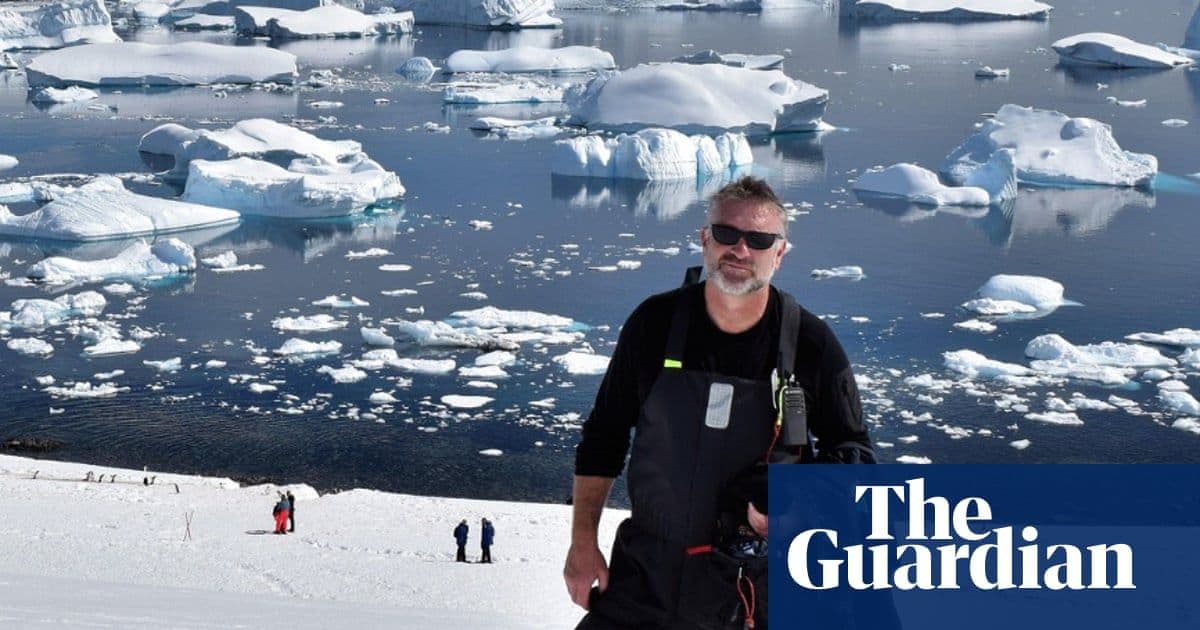
A British crew member, Martin Anstee — an expedition guide and former police officer — was among three individuals medically evacuated from the ship on Wednesday. He was airlifted to the Netherlands for specialist medical treatment. Speaking from his hospital bed, Anstee offered some reassurance, saying: "I'm doing OK. I'm not feeling too bad. There are still lots of tests to be done."
The UK Foreign Office is currently arranging a charter flight to bring the remaining British nationals home once the ship docks in Tenerife. Officials have stated that none of the British passengers still onboard are displaying symptoms, although all are under close medical surveillance.
International Response to the Outbreak
Spain's Health Minister Mónica García confirmed on Wednesday that passengers still aboard the vessel were not showing signs of illness and would be returned to their respective home countries. The 14 Spanish nationals onboard are set to be transferred to a hospital in Madrid for quarantine upon arrival.
South African authorities separately reported on Monday that a British man was in critical condition with the virus and receiving private medical care in Johannesburg.
In Argentina — where the cruise originated and which has recorded 101 hantavirus infections since June 2025 — officials are urgently investigating whether the country was the source of the outbreak. Argentina consistently holds the highest reported incidence of this rare rodent-borne illness according to WHO data.
Meanwhile, Dutch health officials confirmed that a KLM flight attendant displaying mild symptoms was being tested for the virus and had been admitted to a hospital in Amsterdam.
What Is Hantavirus?
Hantavirus is a rare family of viruses naturally hosted by rodents. Humans can become infected through contact with infected animals or their urine, droppings, or saliva. While the virus is not considered easily transmissible between people, a specific strain known as Andes hantavirus — found in South America — has demonstrated limited human-to-human transmission among close contacts in the past.
Andes hantavirus can cause hantavirus pulmonary syndrome, a severe and frequently fatal respiratory disease. Related strains found across Europe and Asia are associated with haemorrhagic fever with renal syndrome. Global efforts are currently underway to develop vaccines against the Andes strain.
Authorities Reassure the Public
Dr Meera Chand, Deputy Director for Epidemic and Emerging Infections at the UKHSA, sought to calm public concern, stating: "It's important to reassure people that the risk to the general public remains very low. We are standing up arrangements to support, isolate and monitor British nationals from the ship on their return to the UK and we are contact-tracing anyone who may have been in contact with the ship or the hantavirus cases to limit the risk of onward transmission."
Prof May echoed this message, noting that while hantaviruses are found globally and occasional human infections do occur, the virus does not spread easily between people. He confirmed that all returning British nationals would most likely be asked to self-isolate at home for 45 days, with individual arrangements made based on personal circumstances, including where each person lives and who they live with.

