UK Meningitis Outbreak: What's Driving the Surge and How Worried Should We Be?
A rapidly spreading meningitis B outbreak centered in Canterbury has claimed two lives and infected 20 people, alarming health officials nationwide.
A Growing Health Crisis in the Heart of England
A meningitis outbreak in south-east England is escalating at an alarming rate, with five new confirmed cases reported in a single day. Health experts have described it as one of the most rapidly developing outbreaks of the disease witnessed in the United Kingdom in recent memory.
The crisis is centered on Canterbury, a city of roughly 60,000 residents in the county of Kent, situated near London. On 15 March, the UK Health Security Agency (UKHSA) issued an urgent public health alert confirming that two individuals had lost their lives as a result of the outbreak. By 17 March, the total number of confirmed cases of invasive meningococcal disease had climbed to 20.
The Source: A Canterbury Nightclub
Health authorities have traced the initial wave of infections to Club Chemistry, a Canterbury nightclub where a number of those affected had gathered on 5, 6, and 7 March. The venue has since voluntarily shut its doors. Anyone who attended the club on those specific dates has been strongly encouraged to seek antibiotic treatment immediately.
The strain responsible has been identified as meningitis B, commonly referred to as MenB — a bacterial form of the disease known for its aggressive and fast-moving nature.
The Victims
Among those who died was 18-year-old Juliette Kenny, a sixth-form student at Queen Elizabeth's Grammar School in Faversham, a town approximately 10 miles from Canterbury. Her headteacher remembered her as "incredibly kind, thoughtful and intelligent," adding that she loved her school and was a deeply valued member of the community.
The second fatality, whose identity has not yet been publicly disclosed, was a student enrolled at the University of Kent.
The Official Response
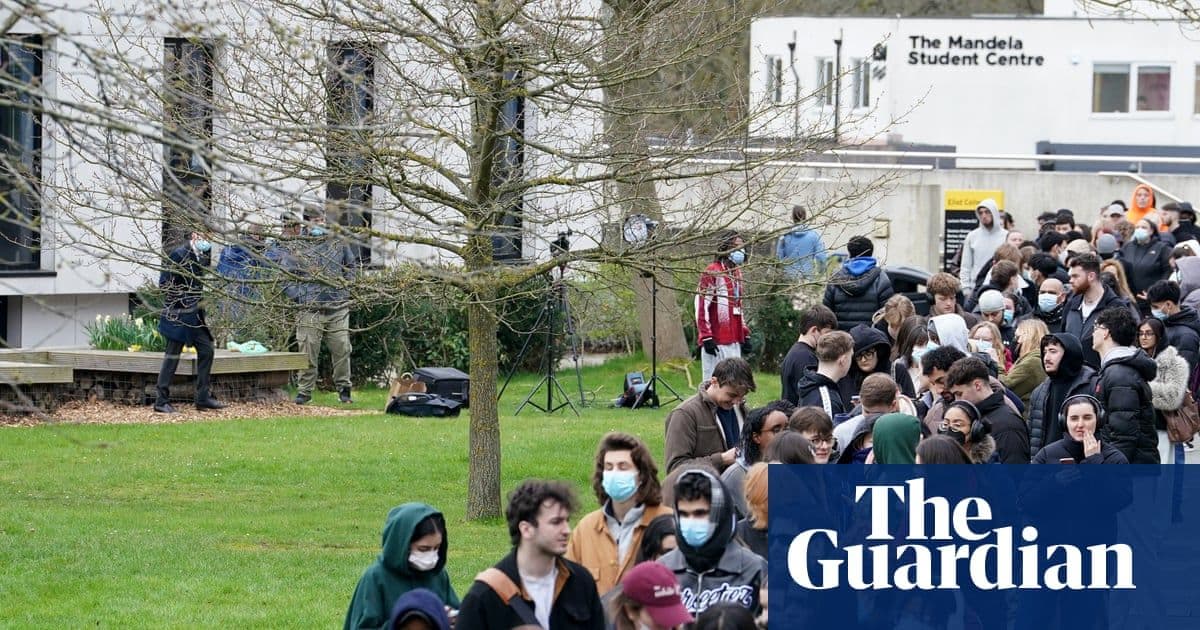
The UKHSA launched a full-scale emergency response on 15 March, which included organizing the distribution of preventative antibiotics on the University of Kent's campus — a move that resulted in lengthy queues as students came forward for treatment.
By 17 March, authorities had announced a targeted MenB vaccination program specifically aimed at students residing in university halls of residence, with the possibility of expanding the program further as the situation develops.
UKHSA Chief Executive Susan Hopkins described the pace of the outbreak as "unprecedented," characterizing it as an "explosive" spread of the disease. UK Health Secretary Wes Streeting echoed those concerns, stating that both the speed and scale of transmission in Canterbury had been deeply troubling.
Understanding MenB and Vaccination Gaps
According to UKHSA data, there were 378 confirmed cases of invasive meningococcal disease in the 2024–25 period, with MenB accounting for approximately 80% — or 313 — of those cases.
Since 2015, babies in the UK have been offered the MenB vaccine at eight weeks of age, followed by a second dose at 12 weeks and a booster at 12 months. However, teenagers born before 2015 have never been vaccinated against MenB, leaving a significant portion of the young adult population without protection.
A separate vaccine, the MenACWY jab, which guards against four other strains of meningococcal bacteria, is routinely offered to teenagers in school years 9 and 10 and remains available up to the age of 25. Additional childhood vaccines, including the 6-in-1 and pneumococcal injections, also offer some degree of protection against meningitis more broadly.
Why Hasn't Teenage MenB Vaccination Been Rolled Out?
Despite MenB dominating the vast majority of invasive meningococcal disease cases, the UK's Joint Committee on Vaccination and Immunisation (JCVI) has historically not recommended extending the MenB vaccine to teenagers. The reasoning has been threefold: the vaccine does not prevent bacterial transmission between individuals, it does not cover every variant of the MenB strain, and the protection it provides does not last for a particularly long duration.
However, in the wake of the Canterbury outbreak, Health Secretary Wes Streeting has formally requested that the JCVI reassess the eligibility criteria for meningitis vaccinations. Streeting was careful to clarify that his request was not intended to influence the committee's independent judgment, but rather to ensure the question receives urgent and thorough reconsideration.
What to Watch For
As cases continue to rise and public health authorities work to contain the spread, the Canterbury outbreak serves as a stark reminder of how swiftly meningitis can take hold — and how critical early intervention remains. Anyone experiencing symptoms such as a sudden high fever, severe headache, stiff neck, sensitivity to light, or a non-fading rash should seek emergency medical care without delay.