UK Launches Groundbreaking Mental Health Pathway for Diabetes Patients
A pioneering care program is offering tailored psychological support to people living with diabetes in a UK first, as experts highlight the alarming link between diabetes and depression.

UK Pioneers Dedicated Mental Health Support for People Living with Diabetes
A landmark initiative is set to transform the way mental health care is delivered to diabetes patients across the UK, with a new bespoke support pathway being introduced for the first time. Diabetes UK reports that individuals living with the condition are twice as likely to experience depression — a sobering statistic that has long gone underaddressed within the healthcare system.
A Personal Battle: Naomi's Story
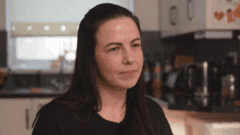
For Naomi Durham, a 34-year-old mother of two from Cardiff, the intersection of type 1 diabetes and severe postnatal depression brought her to one of the darkest periods of her life. Developing her depression during the height of the Covid-19 pandemic, Naomi found herself feeling emotionally hollow and disconnected from the people she loved most — including her two young daughters.
Please note: This article contains references to mental health difficulties, including self-harm and suicidal ideation.
"I reached a point where I genuinely felt my girls would be fine without me," she recalled. "I had a complete lack of self-worth and didn't feel like I needed to be here anymore."
Although her health visitor quickly recognized that something was wrong and flagged her concerns to Naomi's GP, the support that followed fell short. Over the phone, her doctor gradually increased her antidepressant dosage until she was at the maximum allowable level — yet Naomi never had a face-to-face consultation, and specialist perinatal mental health services were never recommended.
"I wasn't feeling any benefit from the medication whatsoever," she said.
When Diabetes and Mental Health Collide
As Naomi's mental state deteriorated, she stopped taking the insulin she needed to manage her type 1 diabetes. This dangerous pattern of self-neglect eventually led to her developing diabetic ketoacidosis (DKA) — a life-threatening condition caused by a severe lack of insulin that turns the blood acidic. She experienced numerous hospital admissions over the course of two years.
During this period, Naomi found herself caught in a frustrating cycle between two separate healthcare systems that failed to communicate with one another.
"The diabetes team kept pointing to mental health, and the mental health team kept saying it was a diabetes issue," she explained. "Those two worlds collide — but there are no services designed to bridge that gap."
The prolonged hospitalisations forced Naomi to put her nursing studies on hold and, at her lowest point, raised concerns about her ability to care for her children. It was only through peer support networks, online communities, single-parent groups, and charitable services that she was able to find her footing and gradually rebuild her life.
She is now back on track with her studies, though she remains acutely aware of the emotional toll those years have taken on both herself and her daughters.
"It took me a long time to admit I needed help," she said. "I felt enormous guilt for not being present for my girls, and I still worry about the lasting impact on them."
Naomi is now advocating for more holistic assessments within the NHS, clearer signposting to available support, and greater recognition that managing a chronic condition like diabetes carries significant psychological weight.
A Diabetes Diagnosis That Triggered a Mental Health Crisis
Naomi is not alone. Duke Al, a 32-year-old spoken word poet from Sully in the Vale of Glamorgan, was diagnosed with type 1 diabetes at the age of 23 in 2018. Initially, he accepted the diagnosis with composure, grateful for the attentive care provided by his diabetes nurses.
However, over time, feelings of frustration and inadequacy began to take hold. Duke started to see himself as "a weaker version" of who he used to be — and that mindset quickly escalated into self-destructive behavior, including deliberately skipping insulin injections.
"That very quickly turned into self-destruct mode," he admitted. "Deliberately not injecting insulin is extremely dangerous, but I just didn't care."
Duke had previously been diagnosed with obsessive compulsive disorder (OCD), and he describes the arrival of his diabetes diagnosis as something that "collided dramatically" with his existing condition. For Duke, OCD manifests as intrusive thoughts centred around numbers and repetitive actions, compelling him to perform mental compulsions in an attempt to prevent feared outcomes.
"It's like a super-glued grip on your brain," he described. "If you don't perform the compulsion, you're convinced something terrible will happen — and that it will be your fault."
The unpredictability of managing blood sugar levels proved particularly destabilising for someone whose mental health was already tied closely to uncertainty and control.
A New Era of Integrated Diabetes and Mental Health Care
In response to the growing body of evidence linking diabetes with poor mental health outcomes, a leading expert in diabetes psychology is now spearheading a pioneering care pathway in the UK. This program is designed to provide diabetes patients with personalised, condition-specific mental health support — addressing the unique emotional and psychological challenges that come with managing a long-term condition.
The initiative marks a significant step forward in recognising that physical and mental health cannot be treated in isolation. Shared symptoms between diabetes and depression — such as fatigue, mood changes, and difficulty concentrating — can make it harder for patients to seek help or receive an accurate diagnosis, further complicating their care.
Cardiff and Vale Health Board confirmed that it operates a perinatal mental health service committed to delivering "specialist, safe, effective, and compassionate care." The board expressed regret upon hearing of Naomi's experience and encouraged her to reach out to its patient concerns team, while noting it could not comment on individual cases.
For patients like Naomi and Duke, the hope is that this new pathway will ensure no one else has to navigate the exhausting divide between two healthcare systems alone — and that living with diabetes no longer has to mean suffering in silence.