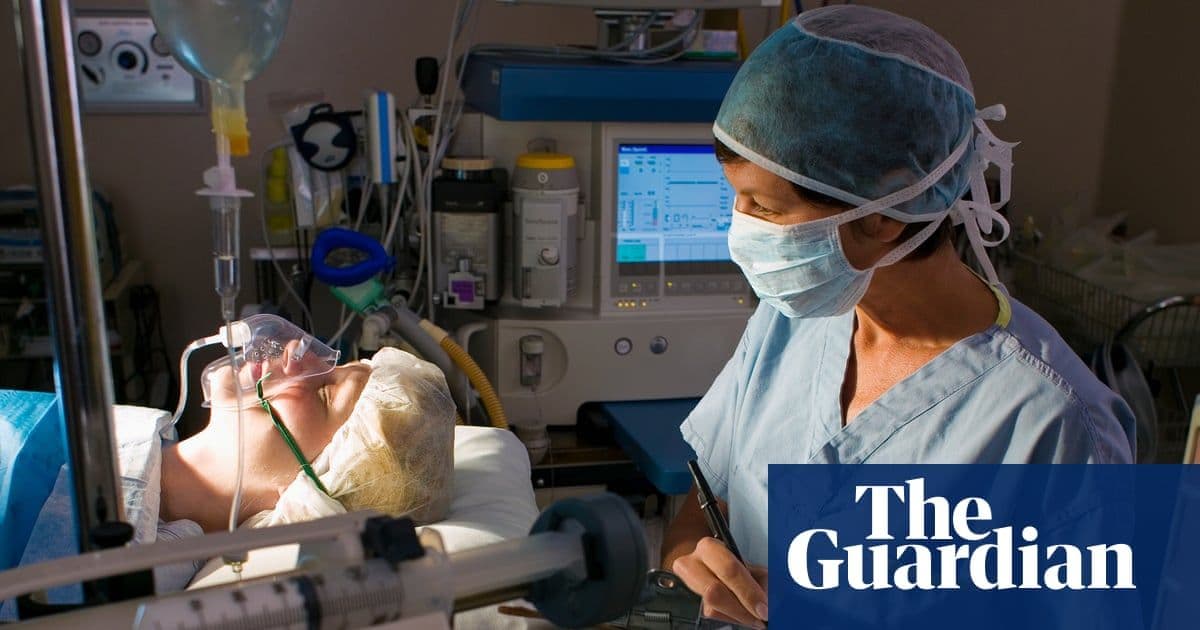
UK Faces Surgery Crisis as Anaesthetist Shortage Cancels 1.5 Million Operations Annually
A critical lack of anaesthetists is forcing the NHS to cancel roughly 4,000 surgeries every day, leaving millions of patients waiting in pain.

NHS Surgery Backlog Deepens as Anaesthetist Crisis Takes Hold
A damning new report has revealed that the NHS is failing to carry out 1.5 million operations every year due to a severe and growing shortage of anaesthetists — the specialist doctors essential to virtually every surgical procedure performed in British hospitals.
The findings, compiled by the Royal College of Anaesthetists in a comprehensive 63-page review seen by the Guardian, paint a troubling picture of a health service struggling to keep pace with demand, while millions of patients languish on waiting lists across England, Scotland, Wales, and Northern Ireland.
The Scale of the Shortfall
The UK currently has 2,256 fewer anaesthetists than required to meet existing demand — a deficit representing a 16% gap between current staffing levels and what is actually needed. Approximately 1,534,080 operations and procedures are unable to go ahead each year as a direct consequence, equating to around 4,000 cancelled procedures every single day.
The most significant gap exists among consultant anaesthetists — the most senior tier of the profession — who account for roughly 1,640 posts, or 73% of the total shortfall.
Anaesthesia is the single largest hospital speciality within the NHS, with anaesthetists providing critical care across operating theatres, maternity units, intensive care wards, and pain management services. Without them, the vast majority of surgical procedures simply cannot take place.
Root Causes: Training Bottlenecks and Staff Burnout
While stress-related departures from the profession remain a considerable concern, the primary driver of the crisis is a chronic lack of anaesthetic training places. Last year alone, 6,770 candidates applied for just 539 core anaesthetic training positions — a ratio that highlights just how severely restricted the pipeline into the profession has become.
The consequences are compounding. Hospitals are increasingly forced to rely on expensive agency locum staff to fill rotas, diverting funds away from frontline care and placing additional financial strain on already stretched NHS budgets.
Impact on Patients and NHS Performance
The human cost of this shortage is significant. Among clinical leaders surveyed as part of the review, 88% confirmed that surgeries had been postponed due to an absence of anaesthetists, with 43% reporting that cancellations were occurring on a daily or weekly basis.
Patients enduring prolonged waits are paying a heavy price. According to the report:
- 31% of waiting patients reported a decline in their mental health
- 36% experienced a deterioration in their physical health
Extended waiting times are also associated with greater use of healthcare resources, an increased likelihood of legal claims, and a rising risk that patients deteriorate to the point where they are no longer able to work.
Voices from the Frontline
Dr Claire Shannon, President of the Royal College of Anaesthetists, described the situation as urgent and unsustainable.
"Patients are still waiting too long for surgery, and the shortage of anaesthetists is a major factor. Despite modest increases, the gap between the anaesthetists we have and those we need continues to widen," she said.
Dr Shannon called on the government to use its forthcoming 10-year workforce plan as a pivotal moment to expand training capacity, retain skilled practitioners, and ultimately deliver better outcomes for patients.
Jenny Westaway, Chair of PatientsVoices@RcoA, echoed those concerns from a patient perspective. "The shortage of anaesthetists is causing real pain and distress. We all know the toll it takes — both physically and mentally — to wait for a much-needed operation," she said.
Government Response
The Department of Health and Social Care acknowledged the pressures but pointed to what it described as record staffing numbers, noting that the NHS currently employs more than 14,800 full-time equivalent anaesthetists — around 300 more than the previous year.
Officials also confirmed that 4,500 additional training placements are being created as part of a recent agreement with resident doctors, targeting specialities where shortages are most acute. However, when pressed on how many of those placements would be allocated specifically to anaesthetics, a government spokesperson declined to provide a figure, stating that details on speciality distribution would be confirmed "in due course."
A Critical Moment for NHS Workforce Planning
With over 8 million patients currently on NHS waiting lists and surgical capacity constrained by a preventable staffing crisis, pressure is mounting on policymakers to act swiftly. The Royal College of Anaesthetists' review is now being studied by officials within the Department of Health and Social Care — and campaigners hope it will translate into meaningful, targeted action before the backlog grows further.