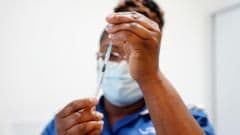
UK Covid Vaccine Rollout Hailed as Historic Achievement, But Support for the Harmed Must Improve
The UK Covid inquiry calls the vaccine programme an extraordinary success, saving nearly half a million lives, while urging urgent reform for those harmed by the jabs.

UK Covid Vaccine Programme Declared a Landmark Success
The United Kingdom's Covid-19 vaccination drive has been officially recognised as an "extraordinary feat" by the ongoing Covid public inquiry, marking a rare moment of praise following a series of highly critical reports aimed at government pandemic management.
The inquiry's fourth report highlighted the remarkable speed at which vaccines were both developed and administered across the country. Over 132 million doses were delivered throughout 2021 alone, making it the largest immunisation programme ever conducted in UK history. The report also commended efforts to identify effective treatments for the virus during an unprecedented period of global crisis.
Half a Million Lives Saved, Inquiry Finds
Inquiry chair Baroness Hallett underscored the profound impact of the vaccination campaign, pointing to research indicating that more than 475,000 lives were saved as a direct result of the programme. This achievement was made possible in part by the remarkable public response, with over 90% of people aged 12 and above coming forward to receive a vaccine.
Baroness Hallett identified this as one of two defining success stories to emerge from the pandemic. The second was the discovery that dexamethasone — an inexpensive and widely available steroid — could be used effectively to prevent fatal lung damage in severely ill Covid patients.
These findings stand in notable contrast to the first three inquiry reports, which were sharply critical of the government's pre-pandemic planning, key decision-making processes, and its handling of NHS pressures during the health crisis.
Vaccine Hesitancy Remains a Concern
Despite the programme's overall success, the report raised serious concerns about uneven vaccine uptake across different communities. Lower participation rates were observed in areas of higher socioeconomic deprivation and among certain ethnic minority populations.
Baroness Hallett stressed the importance of rebuilding public trust, stating that governments and health services must actively engage with communities to promote a better understanding of, and confidence in, vaccines going forward.
The inquiry identified several contributing factors to hesitancy, including the rapid pace of vaccine development, a widespread erosion of trust in public authorities, and the unchecked spread of misinformation online. The report called for significantly improved communication strategies around both the benefits and risks of vaccines in any future public health emergency.
Of particular concern is the lasting impact on routine childhood vaccination rates, which have declined since the pandemic — a troubling legacy that health authorities must now address.
Calls for Reform of the Vaccine Injury Payment Scheme
While acknowledging that only a small minority experienced adverse effects from the Covid vaccines, Baroness Hallett called urgently for reform of the systems designed to support those individuals.
More than 20,000 claims have been submitted to the Vaccine Damage Payment Scheme, yet only approximately 1% have resulted in successful payouts. Awards are currently capped at a one-off, tax-free sum of £120,000 — a figure that has remained unchanged since 2007. The report recommended that this cap should rise at minimum in line with inflation, and that new payment tiers should be introduced based on the severity of injury sustained.
The existing eligibility threshold, which requires claimants to demonstrate they are at least 60% disabled, has been deemed ineffective when applied to Covid vaccine-related injuries.
One Woman's Struggle for Recognition
Kerry Clarkson, 49, represents many who have found themselves falling through the gaps of the current system. Hospitalised in April 2021 just weeks after receiving the Oxford AstraZeneca vaccine, she was treated for a rare blood clotting condition linked to the jab. She continues to live with ongoing health complications including lung damage, joint pain, and nerve damage, and is no longer able to work full time.
Despite her condition, Kerry was informed via letter that the impact on her health did not meet the threshold required to qualify for a payout. She has been outspoken in her view that the scheme is "not fit for purpose."
"I'm one of the lucky ones," she said. "I know there are people who have unfortunately passed away from this, and families have been devastated by it."
Mandatory Vaccination Policy Criticised
The report also took aim at the government's short-lived attempt to make Covid vaccination compulsory for health and social care workers. A mandate requiring care home staff to be vaccinated was introduced in June 2021, with plans announced to extend it to all NHS and care workers.
However, the policy was eventually scrapped and the care home mandate revoked, as mounting evidence suggested the vaccines offered limited protection against transmission — with their primary benefit being the prevention of serious illness and hospitalisation.
The inquiry concluded that the compulsory approach may have contributed to feelings of alienation and heightened hesitancy among certain groups of workers.
Unison General Secretary Andrea Egan echoed this view, stating that mandating vaccination was "never the right way" to address concerns among healthcare professionals. She argued that targeted reassurance campaigns would have been a far more effective and respectful approach.
Government Response
A government spokesperson described the vaccination programme as "unprecedented" and credited it to the strength of the UK's life sciences sector, the National Health Service, and the dedication of frontline workers and volunteers.
The spokesperson confirmed that the government would examine the report in full and reaffirmed its commitment to learning vital lessons ahead of any future public health emergency.