UK Biobank: Groundbreaking Medical Research and the Growing Data Privacy Debate
The UK Biobank has transformed medical science, but a recent data breach involving half a million volunteers has sparked serious privacy concerns.

What Is the UK Biobank Project?
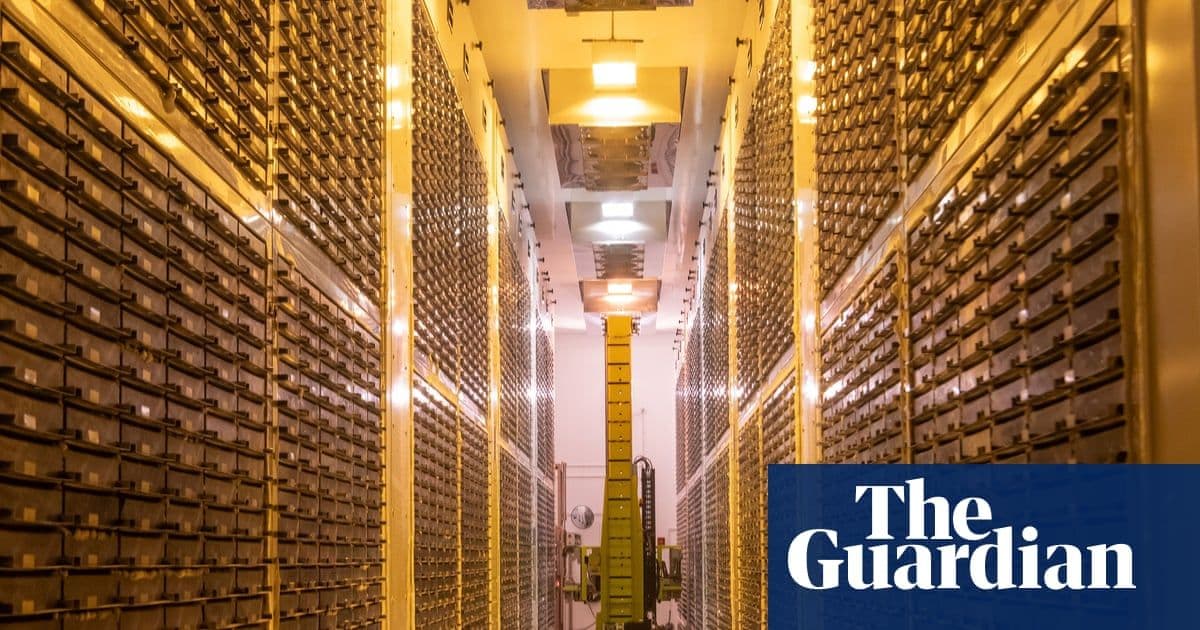
Established in 2003, the UK Biobank is one of the most ambitious and comprehensive health research initiatives ever undertaken. Between 2006 and 2010, the project successfully enrolled half a million volunteers aged between 40 and 69 across the United Kingdom. These participants willingly contributed genetic information, biological samples, clinical measurements, lifestyle details, and ongoing health data — forming a vast, living repository of human health information.
Since 2012, researchers worldwide have been granted access to anonymised data drawn from this repository, enabling them to explore the causes, frequency, and treatment of a wide range of diseases. The result has been thousands of published scientific studies, making UK Biobank one of the most cited resources in modern medical research.
Scientific Breakthroughs Enabled by UK Biobank
The scale and depth of data held within UK Biobank has led to a number of remarkable discoveries that could reshape how we understand and treat disease.
Early Disease Detection
Professor Andrew Morris, Director of Health Data Research UK (HDR UK), highlighted one particularly significant finding: researchers identified four specific proteins in the blood that may one day enable clinicians to diagnose dementia before any visible symptoms emerge. This kind of early-warning capability could prove transformative for patients and healthcare systems alike.
Organ Imaging Insights
Last year, the project reached a landmark milestone by completing brain, heart, and organ scans for 100,000 participants. These imaging studies have already produced striking revelations:
- Even modest alcohol consumption appears to alter the size and structure of the brain.
- Diabetes has measurable effects on the structural integrity of the heart.
- COVID-19 infections seem to cause damage to the brain's olfactory centre, responsible for the sense of smell.
AI and Environmental Health Research
More recently, UK Biobank data has contributed to research suggesting that air pollution can hasten the development of numerous diseases. Additionally, the dataset has been used to train an artificial intelligence tool capable of predicting an individual's risk of developing more than 1,000 distinct medical conditions.
Professor Morris described the project's true achievement as the assembly of biosamples and linked data at an unprecedented scale. "It is among the largest studies for imaging, protein biomarkers, genomics and more," he said. "The depth of research enabled by this across all disease areas is really unique and why it is heralded worldwide."
The Data Privacy Controversy
Despite its scientific achievements, UK Biobank has recently found itself at the centre of a significant data privacy storm.
Data Listed for Sale on Chinese Platform
It emerged that data belonging to UK Biobank participants appeared across three separate listings on Alibaba, a major Chinese e-commerce platform. At least one of those listings reportedly contained records linked to all 500,000 volunteers. While the data was described as "de-identified" — meaning names, addresses, and precise birth dates were omitted — the exposure raised immediate alarm among researchers and privacy advocates.
The listings have since been removed, and there is no evidence that any sales were completed. However, the incident has reignited broader concerns about how sensitive health data is managed and protected.
A Pattern of Exposure
This is not an isolated incident. Earlier reporting revealed multiple cases in which participant health data had been inadvertently leaked online by researchers — with some instances allowing data to be traced back to individual volunteers.
Professor Luc Rocher of the Oxford Internet Institute noted that the Alibaba listings represented the 198th known exposure of UK Biobank data since the previous summer. "UK Biobank data is not just available for sale, it also remains available online for anyone to download today," Professor Rocher warned.
UK Biobank's Response
Professor Rory Collins, Chief Executive and Principal Investigator of UK Biobank, moved swiftly to reassure participants that their personal identifying information remained "safe and secure." In a letter to volunteers, Collins outlined plans to introduce new security protocols, including placing restrictions on the size of files that researchers can export from the UK Biobank research platform. The measure is designed to significantly curtail the ability to extract de-identified participant data in bulk.
Collins also confirmed that a comprehensive, board-led forensic investigation into the incident would be launched.
Calls for Accountability and Systemic Reform
While many experts have welcomed the prompt removal of the Alibaba listings, voices within the scientific community are calling for deeper scrutiny.
Professor Morris emphasised that a full and thorough review was essential, stressing that participant trust is the cornerstone of large-scale health data research. "The future of healthcare is increasingly data-dependent," he said. "We must double down on implementation of secure systems to enable essential research that is responsible, trusted and can operate at scale."
Professor John Gallacher of the University of Oxford offered a more reassured perspective: "As a 'Biobanker' I am reassured that the value of my small contribution to global health is jealously guarded."
Why This Matters
The UK Biobank stands as a globally admired model for population health research. Its contributions to medicine are undeniable, and the data it holds has the potential to save countless lives through earlier diagnosis, better treatments, and deeper scientific understanding. However, as this latest controversy demonstrates, the responsibilities that come with curating such sensitive information at scale are immense. Maintaining the public's trust is not merely a procedural obligation — it is the very foundation upon which the future of data-driven healthcare must be built.

