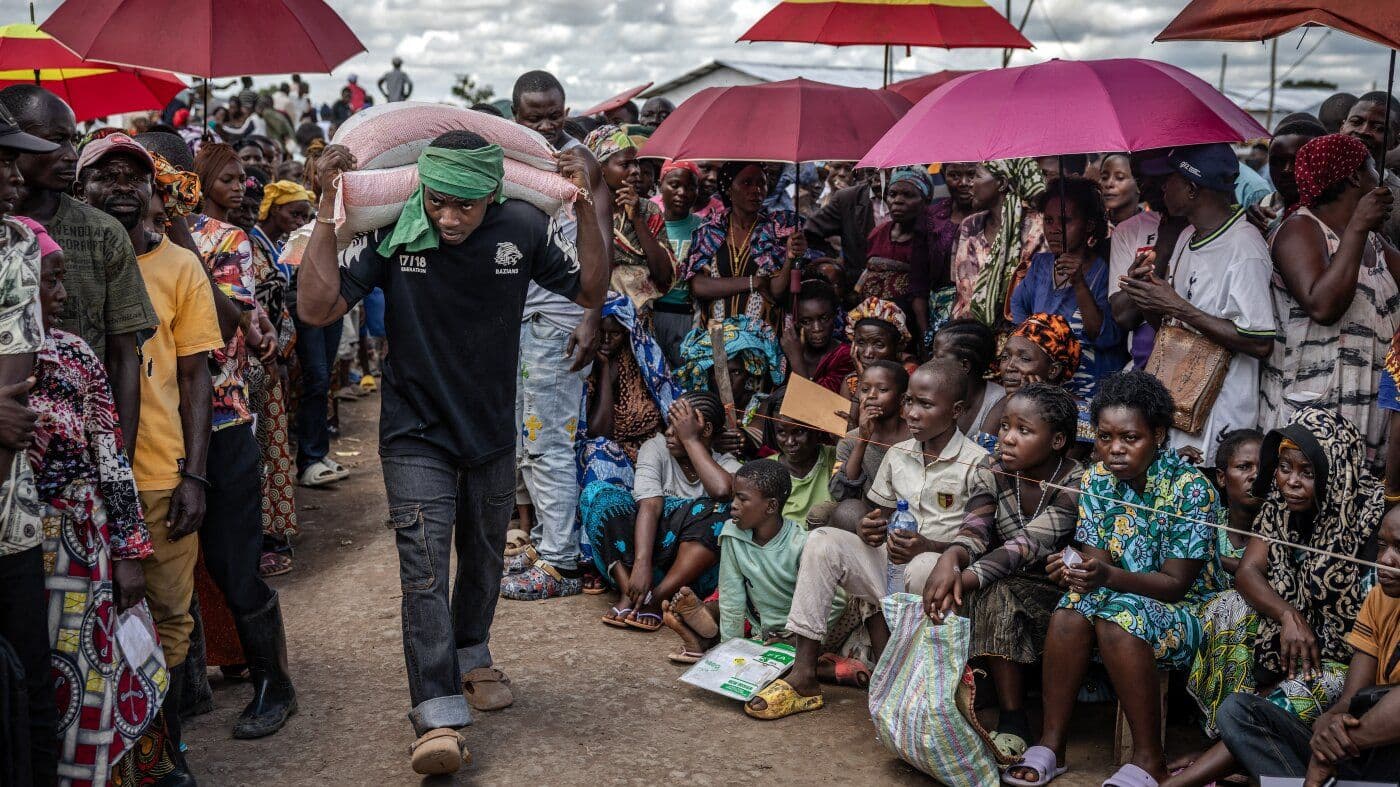
UK Aid Cuts Threaten Lives Across Africa as Funding Crisis Deepens
Britain's decision to slash its foreign aid budget is raising urgent alarms across Africa, where communities already reeling from US funding withdrawals now face a potentially catastrophic double blow

Britain's Aid Reduction Sparks Fears of a Humanitarian Crisis in Africa
In March of this year, the United Kingdom made a significant announcement that sent shockwaves through the international development community: it would be scaling back its global aid budget and reshaping its foreign assistance priorities, with changes set to take full effect by 2027.
For many nations across Africa — already struggling with fragile healthcare systems, food insecurity, and ongoing public health challenges — the timing could not be worse.
A Perfect Storm of Funding Withdrawals
The UK's decision does not exist in isolation. It comes hard on the heels of sweeping aid cuts initiated by the United States, which have already begun to strain humanitarian operations across the continent. Together, these two reductions are creating what many experts are describing as a dangerous funding vacuum — one that local governments and international organizations simply may not have the capacity to fill.
Relief agencies and health advocates have been vocal in their concern, warning in stark terms that the compounding effect of losing two of the world's largest aid contributors could prove unsurvivable for the most vulnerable populations.
The Human Cost of Policy Decisions
Beyond the budget spreadsheets and policy documents, the real-world consequences of these cuts are deeply human. Programs that depend on UK funding span a wide range of critical services, including:
- Maternal and child health initiatives
- Disease prevention and treatment programs
- Emergency food assistance
- Clean water and sanitation projects
For communities that rely on these services as a lifeline, any significant reduction in support can translate directly into preventable deaths.
Warnings From the Ground
Humanitarian organizations operating across sub-Saharan Africa have been among the loudest voices sounding the alarm. Many have stated bluntly that lives will be lost if alternative funding sources are not identified and mobilized quickly. The concern is not hypothetical — it is grounded in the operational realities of delivering healthcare and aid in some of the world's most under-resourced regions.
What Happens Next?
As 2027 approaches, the pressure is mounting on international donors, regional governments, and private foundations to step into the breach. Whether the global community can coordinate a meaningful response — and do so quickly enough — remains one of the most pressing humanitarian questions of the moment.
For now, advocacy groups continue to urge the UK government to reconsider the scale and pace of its cuts, emphasizing that the cost of inaction will be measured not in pounds, but in human lives.