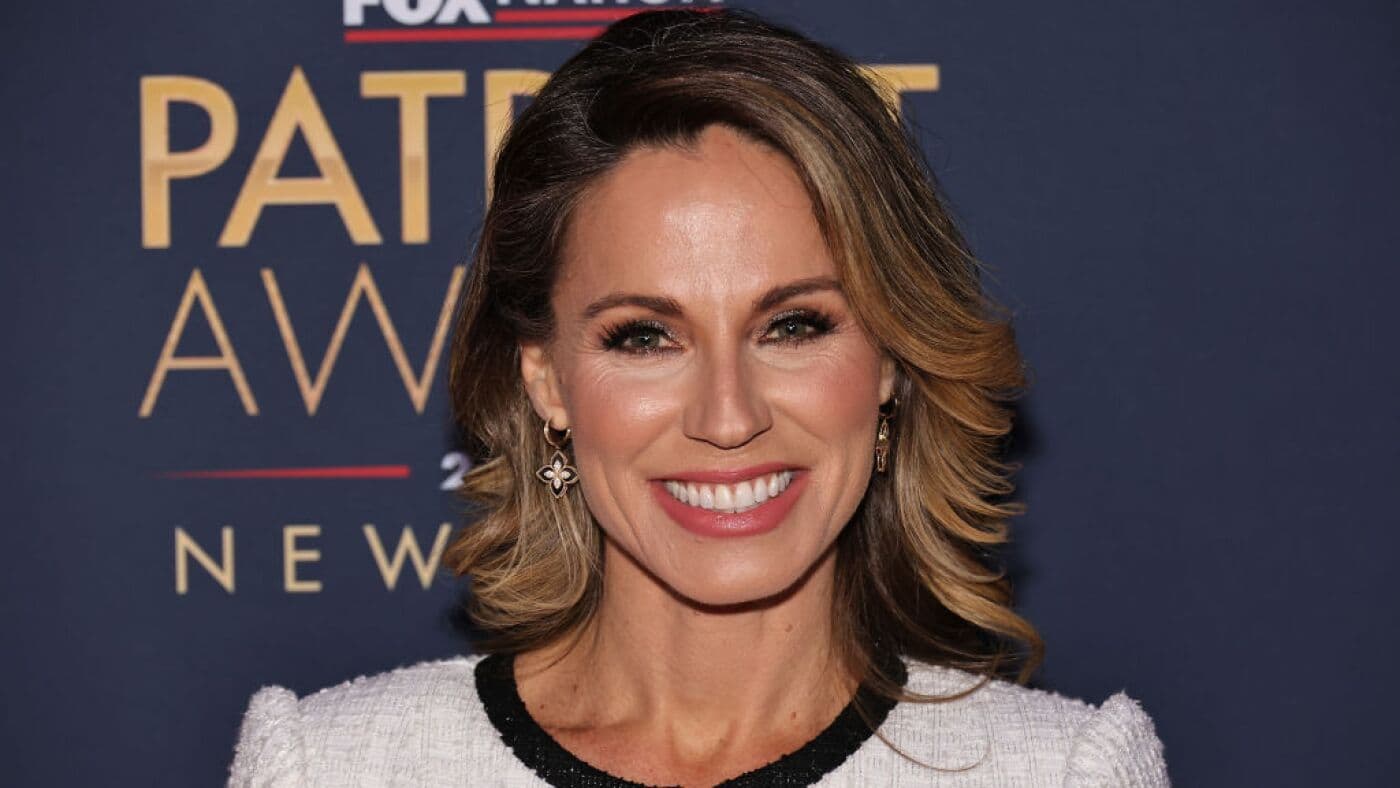
Trump's Third Surgeon General Pick: Can Dr. Nicole Saphier Win Senate Confirmation?
Dr. Nicole Saphier, a breast cancer radiologist and former Fox News contributor, is Trump's third nominee for surgeon general. Here's what to expect.

Trump Taps Dr. Nicole Saphier as His Third Surgeon General Nominee
President Donald Trump has nominated Dr. Nicole Saphier, a breast cancer radiologist and former Fox News medical contributor, to serve as the next surgeon general of the United States. This marks Trump's third attempt to fill the position, commonly referred to as "the nation's doctor," a role centered on advancing public health awareness and wellness across the country.
Saphier currently leads breast imaging services at Memorial Sloan Kettering Monmouth and stepped away from her Fox News role this week following the April 30 announcement. Trump praised her on Truth Social, calling her a "STAR physician" and an "INCREDIBLE COMMUNICATOR."
A Rocky Road to This Nomination
The path to nominating Saphier has been anything but smooth. Trump's first choice, Dr. Janette Nesheiwat, was withdrawn after questions arose about how she had represented her medical qualifications. His second pick, Dr. Casey Means — a wellness entrepreneur and author — failed to gain sufficient Senate support, with Republican Senators Susan Collins of Maine and Lisa Murkowski of Alaska both reportedly opposing her confirmation.
On the same day he announced Saphier's nomination, Trump publicly criticized Senator Bill Cassidy, a Louisiana Republican and physician who chairs the Senate Health, Education, Labor and Pensions (HELP) Committee, accusing him of blocking Means' confirmation through "intransigence and political games." Republican members of the HELP Committee responded bluntly, stating on X that "it's clear she did not have the votes."
Saphier will now face scrutiny from the same committee members who rejected her predecessor.
Does Saphier Have a Stronger Shot at Confirmation?
Political analysts and health policy experts suggest that Saphier stands on firmer ground than either of Trump's previous nominees.
David Mansdoerfer, who served as deputy assistant secretary of health during Trump's first administration, believes Saphier will receive a favorable reception from Republican lawmakers. He describes her as "extremely strong on some of the core base issues," including pro-life policy, chronic disease prevention, and messaging aligned with the Make America Healthy Again (MAHA) movement — a growing constituency Republicans are actively courting ahead of the midterm elections.
Dr. Georges Benjamin, CEO of the American Public Health Association, called Saphier a "reasonable choice," noting that her active medical license and position at a prestigious academic medical center set her apart from Means, whom Benjamin had previously described to NPR as "less qualified professionally than any other surgeon general in history."
Credentials That Stand Out
Beyond her clinical work, Saphier has built a significant public profile. She hosts the podcast Wellness Unmasked on iHeartRadio, sells herbal supplement products, and authored a book in 2020 titled Make America Healthy Again — notably, years before that phrase became synonymous with the movement now associated with Health Secretary Robert F. Kennedy Jr.
In a February episode of her podcast, Saphier outlined what she believes the surgeon general's role demands: "They need the respect of not only the American people that they are communicating to, but also the administration they are working with, and the medical professionals and organizations." She had used this standard to argue that Means was falling short.
Expert Opinions: Strengths and Blind Spots
Dr. Jerome Adams, who served as the 20th surgeon general under Trump's first administration, told NPR's Morning Edition that he expects Saphier to earn the respect of the medical community, the public, and the administration alike. He wrote on X that the nomination is "a solid pick" and that he believes she has "both the clinical background and the temperament to do a good job."
However, Adams raised a concern about her perspective. "She tends to see things through a diagnosis and treatment lens because that's what cancer docs do," he said. "It's clear when you look at the book she wrote that she does not think of things through a public health and societal lens."
He pointed out, for example, that her emphasis on personal responsibility may not account for systemic factors: "You can't eat healthy if you are having your SNAP benefits cut or if the cost of groceries is going through the roof because of inflation. The broader societal context actually matters."
Where Saphier Stands on Vaccines
Vaccination policy is almost certain to dominate her confirmation hearing, particularly given the current administration's fraught relationship with public health orthodoxy.
Saphier's views occupy a nuanced middle ground. She has publicly criticized Secretary Kennedy's efforts to link vaccines with autism, writing in a Wall Street Journal op-ed: "When it comes to autism, we can't afford to chase ghosts," and calling for more research into genetic and environmental causes instead.
At the same time, she has expressed reservations about the rigor of childhood vaccine schedules. In a February 2025 Fox News Digital video, she stated that while vaccines "really can save lives," she believes the CDC and American Academy of Pediatrics should be "less stringent" on scheduling, specifically referencing the hepatitis B and COVID-19 vaccines for children.
Benjamin summarized her stance simply: "She's been opposed to vaccine mandates, but she's not anti-vaccine."
This mirrors the position Means herself articulated during her ill-fated confirmation hearing — a stance that became a sticking point for several senators.
What the Job Actually Requires
Dr. Richard Carmona, who served as the 17th surgeon general under President George W. Bush, emphasized that the stakes of this confirmation are high — and that television experience or political affiliation are not among the core qualifications.
The surgeon general's mission is "to protect, promote and advance the health, safety and security of the nation," Carmona said, adding that the role also requires representing the U.S. government during domestic and international public health emergencies.
Critically, the surgeon general commands the U.S. Public Health Service Commissioned Corps — one of the eight uniformed services of the United States — a body of thousands of professionals who have built careers in public service. The surgeon general holds the rank of three-star vice admiral, underscoring the serious institutional weight the position carries.
Whether Saphier can satisfy both the political requirements of the Senate and the professional demands of the role remains to be seen. A confirmation hearing has not yet been scheduled.