Tracking Endangered Butterflies to Measure the Pulse of Wales' Precious Peat Bogs
A groundbreaking two-year study is exploring whether counting endangered large heath butterflies can reveal the true health of Wales' vital peatlands.
Can a Butterfly Tell Us How Healthy Our Peat Bogs Really Are?
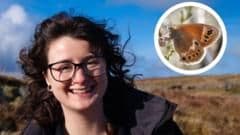
In the misty wetlands of Wales, a conservationist is on a mission that could transform how scientists monitor one of the planet's most important carbon-storing ecosystems. Georgina Paul, a researcher with Butterfly Conservation, is investigating whether the endangered large heath butterfly could serve as a living barometer for peatland health — a modern-day canary in the coal mine for our changing climate.
Now midway through her two-year research project, Georgina has been systematically counting large heath butterfly populations across hundreds of square kilometres of Welsh peatland since the study launched last year. The project is scheduled to run through May 2027 and covers every protected habitat where the species has been recorded.
Why Peat Bogs Matter More Than Most People Realise
Peat bogs are far more than soggy stretches of wilderness. When kept wet and healthy, they function as powerful natural carbon vaults, locking enormous quantities of greenhouse gases safely underground. However, rising temperatures are causing many of these habitats to dry out, turning them from carbon sinks into carbon sources and accelerating the very climate crisis they once helped contain.
Peatlands currently cover roughly 4% of Wales' total land area — approximately 90,000 hectares — yet decades of drainage and degradation have left many of these ecosystems severely compromised. Restoration efforts focus on rewetting the land so the peat can resume its natural functions, including carbon storage, water purification, and flood regulation.
Healthy peat bogs also sit at the headwaters of river systems, playing a critical role in maintaining water quality, supporting drinking water supplies, and reducing downstream flood risk — making their restoration one of the most cost-effective environmental investments available.
The Large Heath: A Butterfly Tied to a Single Fragile Habitat
The large heath is a striking chestnut-coloured butterfly distinguished by bold black spots on its wings. Unlike more adaptable species, it is entirely dependent on wet peatland habitats and exists only in northern Britain, Ireland, and a handful of isolated locations across Wales and central England.
Perhaps its most remarkable characteristic is the diet of its caterpillars, which feed exclusively on hare's-tail cottongrass — a plant that grows only in peat bogs. This tight ecological relationship makes the large heath an unusually sensitive indicator of peatland condition. If the bog thrives, the butterfly thrives. If the habitat deteriorates, the butterfly disappears.
Unfortunately, populations of this species declined sharply throughout England and Wales during the twentieth century due to widespread habitat destruction. It is now formally classified as endangered.
A Study Spanning Wales' Most Significant Wetland Sites
Georgina's fieldwork spans several of Wales' most ecologically significant peatland sites, including:
- Cors Caron near Tregaron, Ceredigion
- Afon Eden in Gwynedd
- The Berwyn Range in north-east Wales
- Fenn's, Whixall and Bettisfield Mosses National Nature Reserve, near the Wrexham-Shropshire border
Georgina is based near Blaenau Ffestiniog in Gwynedd and has been conducting surveys across these habitats while also training volunteers to assist with ongoing monitoring. Volunteer teams carry out weekly walks along fixed routes, recording butterfly numbers throughout the summer flight season.
The Role of Volunteers and Technology
A core ambition of the project is to demonstrate that meaningful ecological data can be collected by non-specialists. As Georgina explained: "If we can show that large heath is a reliable indicator of peat bog health, then we can be confident that our volunteers don't need to be technical experts to make a big impact."
Alongside traditional survey methods, the project is trialling the use of drones to map peatland habitats and identify key plant species with greater speed and precision — a technological innovation that could significantly accelerate future monitoring efforts.
Peatland Restoration: Turning Evidence Into Action
The study is concentrated primarily on sites where active restoration work has already taken place, allowing researchers to assess whether habitat improvements are translating into measurable gains for the large heath population. Georgina hopes the evidence gathered will ultimately help landowners and land managers make informed decisions about how to protect and restore their peat bogs.
"Peat bogs are weird and wonderful places, with fantastic wildlife like carnivorous plants, large heath butterflies and emperor moths," she said, "but looking after them well will also help us tackle the global challenge of climate change by keeping carbon in the ground."
One significant challenge is the presence of substantial data gaps. For some sites, no butterfly records exist from the past 25 years, leaving large blanks on the conservation map that Georgina is working to fill whenever weather conditions allow.
Funding, Partners, and the Path Forward
The Welsh Government has committed £249,000 to support the project, supplemented by National Lottery funding. Key partners include the RSPB, the National Trust, and Natural Resources Wales — though much of the land under study remains in private ownership, adding a layer of complexity to coordination efforts.
Natural Resources Wales also delivered a National Peatland Action Programme that met its restoration targets in 2025, providing a strong institutional foundation on which this research can build.
If the large heath proves to be a reliable and practical indicator of peatland health, the implications could extend well beyond Wales — offering a simple, volunteer-friendly monitoring tool for peat bog conservation efforts across the United Kingdom and potentially further afield.

