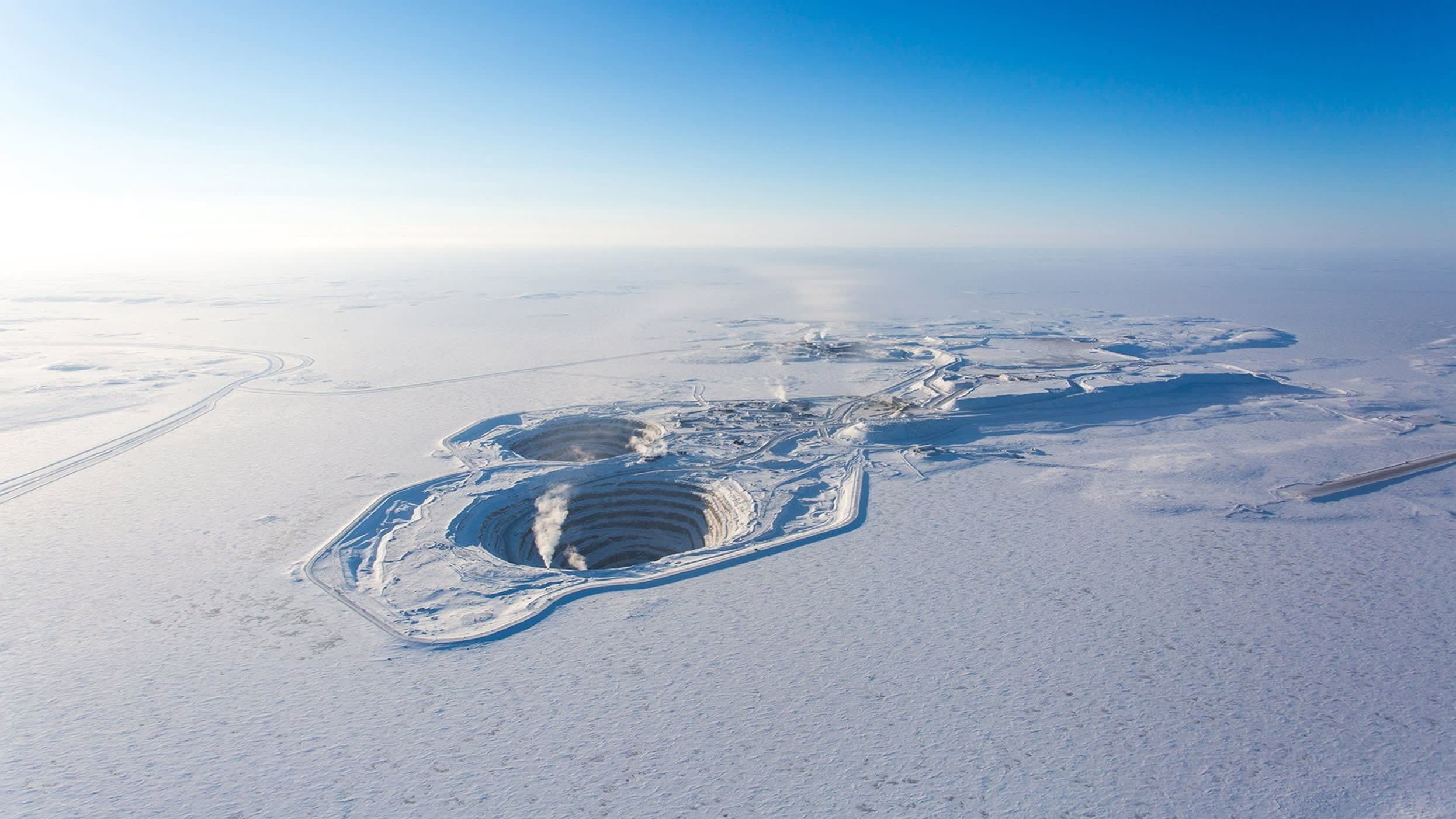
The Slow Fade of Canada's Diamond Industry: An Era Comes to an End
The shuttering of Rio Tinto's Diavik mine marks a pivotal turning point for Canada's Northwest Territories, signaling the twilight of a once-thriving diamond industry.

Canada's Diamond Industry Enters Its Final Chapter
The curtain is slowly falling on one of Canada's most remote and resource-rich industries. The closure of Rio Tinto's iconic Diavik diamond mine is more than just the end of a single operation — it represents the beginning of a broader farewell to an industry that has long served as an economic backbone for the Northwest Territories.
A Lifeline Now Fading
For decades, diamond mining has been a critical source of employment, revenue, and regional identity for communities scattered across Canada's remote north. The Northwest Territories, a vast and sparsely populated region, relied heavily on the diamond sector to sustain local economies and support indigenous communities who called this rugged landscape home.
The Diavik mine, operated by mining giant Rio Tinto, was among the most productive diamond operations in the world. Its closure sends a clear signal that the golden age of Canadian diamond extraction is drawing to a close.
What the Closure Means for the Region
Economic Ripple Effects
When a major mine shutters its operations in a remote territory, the consequences extend far beyond the immediate workforce. Supply chain businesses, transportation networks, and local service providers all feel the economic tremors. For communities with limited alternative industries, the impact can be particularly severe.
A Shifting Global Diamond Landscape
The decline of Canadian diamond mining also reflects broader shifts in the global gemstone market. Changing consumer preferences, the rise of lab-grown diamonds, and fluctuating global demand have all placed pressure on traditional mining operations, making it increasingly difficult to justify the enormous costs of extracting diamonds from the frozen north.
The Legacy of Canada's Diamond Rush
Canada's diamond industry officially took off in the early 1990s when significant deposits were discovered beneath the tundra of the Northwest Territories. What followed was a remarkable period of growth that transformed the region and put Canada firmly on the global diamond map.
At its peak, Canada ranked among the world's top diamond-producing nations, delivering high-quality gems sought after by jewelers and collectors worldwide. The industry brought infrastructure, jobs, and investment to one of the most isolated corners of the country.
Looking Ahead
As the Diavik mine winds down operations, stakeholders — including government officials, indigenous leaders, and industry analysts — are now focused on what comes next. Reclamation efforts, workforce transition programs, and economic diversification strategies will be essential in cushioning the blow for affected communities.
While the diamond industry's decline marks the end of a remarkable chapter in Canada's resource history, it also opens the door for new conversations about sustainable economic development in the north — conversations that will shape the region's future for generations to come.