The Silent Bone Thief: How Osteopenia Is Affecting Millions Without Warning
Osteopenia quietly erodes bone density in roughly 40% of adults worldwide. Here's what you need to know to protect your bones before it's too late.

The Condition Quietly Weakening Your Bones
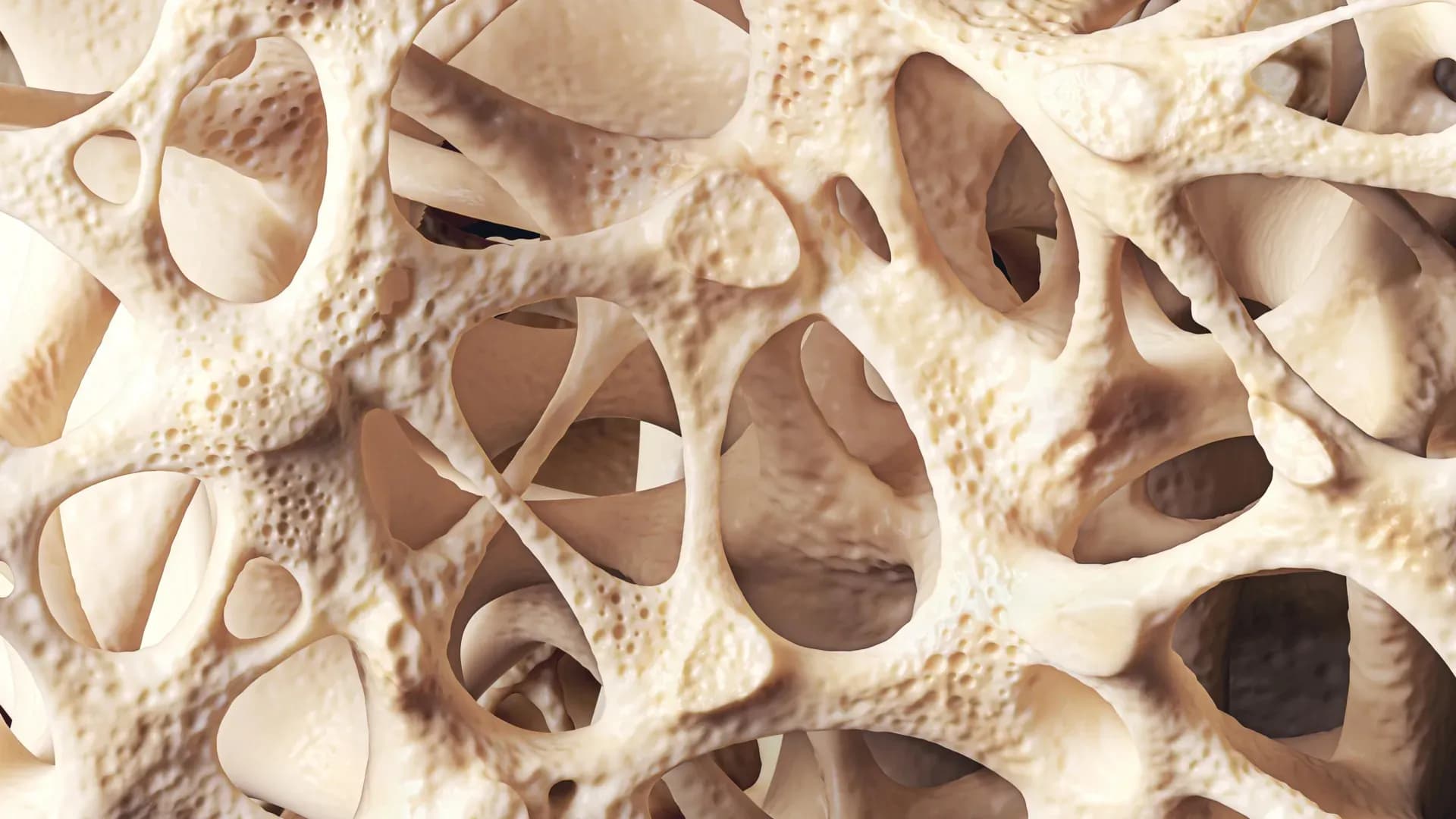
Most people have heard of osteoporosis, but far fewer are familiar with its lesser-known predecessor — osteopenia. This widespread condition gradually reduces bone mineral density, leaving bones more fragile and vulnerable to fractures. What makes it particularly dangerous is its silence: there are no obvious symptoms, no warning pains, and no visible signs until serious damage has already occurred.
Approximately 40% of adults across the globe are living with some degree of bone mineral density loss. The condition is especially prevalent among postmenopausal women and older adults. In the United Kingdom alone, low bone density is responsible for more than 500,000 fractures every single year — a staggering figure that underscores just how significant a public health concern this truly is.
Why Bones Weaken Over Time
Bone is not the static, unchanging structure many people imagine. It is living tissue that constantly renews itself through a process known as bone remodeling, in which old bone is broken down and replaced with new bone tissue.
During early adulthood, this cycle remains in balance. Bone mass typically reaches its peak somewhere between a person's mid-twenties and early thirties. After that point, the balance begins to shift — bone breakdown gradually outpaces bone formation, and density slowly declines.
Aging is the primary driver of this process, but a number of additional factors can significantly accelerate bone loss:
- Hormonal changes: The drop in estrogen following menopause dramatically increases the rate of bone breakdown. Estrogen plays a key protective role in slowing this natural deterioration. Approximately one in two women over the age of 50 will suffer a fragility fracture at some point in their lives.
- Lifestyle habits: Smoking, excessive alcohol consumption, and a sedentary lifestyle all contribute to weakened bones over time.
- Poor nutrition: Inadequate calcium intake and low vitamin D levels compromise the body's ability to build and sustain strong bone tissue.
- Medications and medical conditions: Long-term use of corticosteroids and health conditions that disrupt hormone levels or nutrient absorption — such as Crohn's disease or coeliac disease — can elevate the risk considerably.
How Osteopenia Is Diagnosed
Because osteopenia produces no noticeable symptoms, many people remain completely unaware of their condition until they fracture a bone or undergo a routine bone density screening. Detection most often occurs through a dual-energy X-ray absorptiometry scan, commonly referred to as a DXA scan. This low-radiation imaging technique measures bone strength and produces a result called a T-score.
A T-score between –1.0 and –2.5 indicates osteopenia, while a score below –2.5 crosses the threshold into osteoporosis — a more advanced and significantly more dangerous stage of bone loss. Early identification is critical, as it creates an opportunity to intervene before the condition progresses further.
Protecting and Rebuilding Bone Health
Exercise: One of the Most Powerful Tools
Physical activity is among the most effective strategies for maintaining and even improving bone density. Weight-bearing exercises such as walking, jogging, and dancing stimulate bone formation by placing mechanical stress on the skeleton. Resistance training adds another layer of benefit by strengthening both bones and the surrounding muscles.
Research consistently links regular physical activity to better bone mineral density and a reduced likelihood of developing osteoporosis. Activities like Tai Chi are particularly valuable for older adults, as they improve balance and coordination — lowering the risk of the kinds of falls that can result in serious fractures.
Nutrition: Building Blocks for Strong Bones
Diet plays an equally important role in bone health. Calcium provides the structural foundation for bone tissue, while vitamin D enables the body to absorb calcium effectively. Rich dietary sources include dairy products, leafy green vegetables, and fortified foods. Where dietary intake falls short, supplementation is often recommended.
In the UK, vitamin D deficiency is notably common, making supplementation particularly relevant for a large portion of the population.
Medical Treatment When Necessary
Not everyone diagnosed with osteopenia will require medication. Clinicians typically use fracture risk assessment tools to calculate a patient's ten-year probability of experiencing a fracture, taking into account factors such as age, bone density, steroid use, and other relevant variables.
For individuals identified as high risk, or those who have already sustained a fragility fracture, prescription medications may be appropriate. Antiresorptive drugs, which work by slowing the rate of bone breakdown, are most commonly associated with osteoporosis treatment but can also benefit higher-risk patients with osteopenia.
A Warning Sign, Not a Verdict
It is important to understand that osteopenia is not simply a mild version of osteoporosis — it is a warning signal and a genuine opportunity for intervention. Progression to osteoporosis is not a foregone conclusion.
Evidence clearly supports the idea that early detection paired with targeted lifestyle changes can preserve bone health, meaningfully slow bone loss, and reduce the risk of more serious complications down the line. In some cases, bone density has been shown to improve with the right combination of treatment and behavioral adjustments.
Ultimately, protecting bone health demands a long-term commitment. The strength of your bones today reflects decades of cumulative dietary choices, physical activity habits, and hormonal changes. Building and maintaining healthy habits across the entire lifespan remains the single most effective defense against bone loss — and the earlier those habits are established, the greater the benefit.