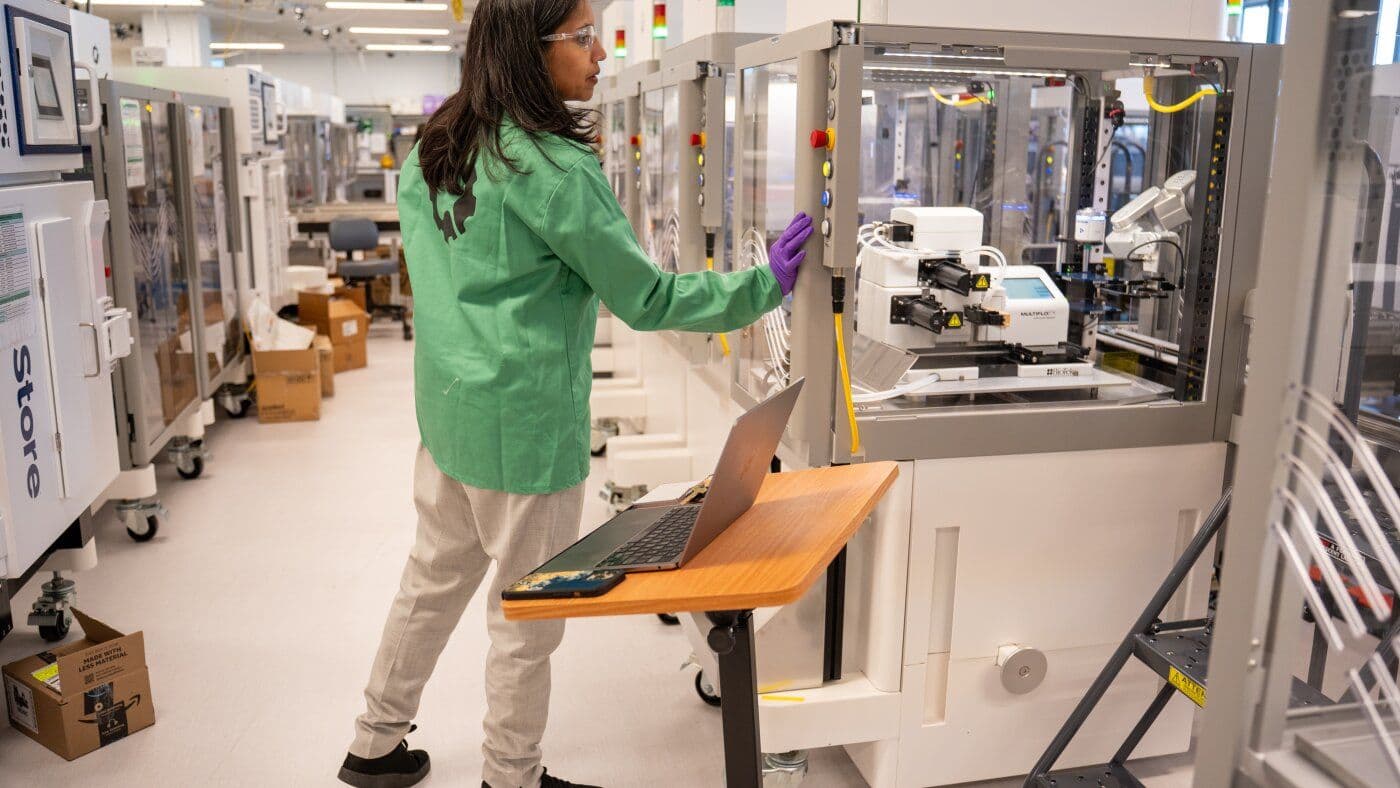
The Rise of AI-Powered Robotic Laboratories Transforming Scientific Research
Scientists are developing intelligent robotic labs designed to handle the most repetitive and time-consuming tasks in research, reshaping how experiments are conducted.
AI and Robotics Are Revolutionizing the Modern Science Lab
A new era of scientific discovery is taking shape inside research facilities around the world. Scientists and engineers are actively developing autonomous robotic laboratories powered by cutting-edge artificial intelligence, with a clear mission: to free human researchers from the most tedious and time-intensive aspects of experimental work.
What Are Autonomous Robotic Labs?
These are not ordinary automated machines performing simple, repetitive motions. AI-powered robotic labs are sophisticated systems capable of designing, executing, and analyzing scientific experiments with minimal human intervention. By combining advanced robotics with machine learning algorithms, these systems can process enormous volumes of data, adjust experimental parameters in real time, and generate results at a speed no human team could match.
How the Technology Works
At the core of these robotic systems is artificial intelligence trained to understand experimental workflows. The robots can pipette chemicals, monitor reactions, record observations, and even interpret outcomes — tasks that would otherwise consume countless hours of a researcher's day. The AI component allows the system to learn from each experiment, continuously refining its approach to improve accuracy and efficiency.
Why Scientists Are Embracing This Shift
Researchers emphasize that the goal is not to replace scientists, but to amplify their capabilities. By delegating labor-intensive tasks to robotic systems, human researchers can redirect their focus toward higher-order thinking — forming hypotheses, interpreting complex results, and driving innovation.
In fields such as drug discovery, materials science, and genomics, where thousands of experiments may be required before a breakthrough emerges, autonomous labs offer a transformative advantage. What might take a human team months to complete could potentially be accomplished in days.
The Broader Implications for Science and Society
The development of AI-driven robotic laboratories signals a profound shift in how scientific knowledge is generated. As these technologies mature, they have the potential to accelerate breakthroughs in medicine, climate science, and beyond — ultimately benefiting society on a global scale.
While challenges around cost, accessibility, and ethical oversight remain, the scientific community is increasingly optimistic that intelligent robotic labs will become a cornerstone of research infrastructure in the years ahead.

