The Remarkable Science Behind Goose Migration: Nature's Most Impressive Journey North
Every spring, geese embark on an extraordinary journey spanning thousands of miles. Discover the fascinating science, strategy, and survival instincts that power their seasonal migration.

Nature's Most Dedicated Travelers Take Flight
Each year, as winter loosens its grip and the days grow longer, something remarkable happens across North American skies. Geese — honking loudly and gliding in their signature formations — begin their annual pilgrimage northward, covering thousands of miles in one of nature's most impressive seasonal spectacles.
But what actually drives these birds to undertake such an ambitious journey, and how do they manage to pull it off successfully year after year?
Why Geese Leave Their Winter Homes
At its core, goose migration is about one thing: food. According to Mitch Weegman, an avian ecologist and professor at the University of Saskatchewan in Canada, geese are essentially forced out of their winter habitats by harsh environmental conditions.
"Because it's cold, sometimes ice prevents access to drinking water for these birds, and snow is preventing access to food," Weegman explained. "So they're getting kicked out of these places."
Staying put year-round isn't a practical option either. Any given ecosystem can only sustain a limited number of species competing for the same resources, making the seasonal move both a necessity and a survival strategy.
Geese recognize the signal to head north when temperatures rise, daylight hours increase, snow begins to melt, and fresh vegetation starts emerging from the ground.
"They are following the green wave, as we call it," said Andrea Kölzsch, an assistant professor of ecology at Radboud University in the Netherlands.
The Migration Timeline and Major Flight Routes
The northward migration typically begins in late February and continues through May. Across North America, migrating geese travel along four established corridors known as flyways:
- The Pacific Flyway — stretching between Alaska and California
- The Central Flyway — running from western and northern Canada down to Arizona and Texas
- The Mississippi Flyway — connecting northern Canada to Louisiana
- The Atlantic Flyway — spanning from eastern Canada all the way to Florida
Fueling Up for the Long Haul
Before departing, geese spend considerable time eating — and strategically so. Their pre-migration diet consists heavily of corn, beans, and wheat, which helps them increase fat and protein reserves to sustain energy over long distances.
However, there is a careful balancing act involved. Overloading on food can slow the birds down significantly, so geese must strike the right nutritional balance before taking off, Kölzsch noted.
The Famous V-Formation Explained
Perhaps the most recognizable feature of migrating geese is their aerodynamic V-shaped flight formation. While visually striking, this pattern likely serves a highly practical aerodynamic purpose.
"The bird in front flies, and the one flying behind it can profit from the air currents that the wings of the first bird produce," Kölzsch explained.
Leadership within the formation isn't fixed. Geese regularly rotate the lead position, distributing the physical demand of flying at the front among multiple birds. This rotation happens more frequently when a bird is unwell or when challenging weather conditions arise.
Communication plays a constant role throughout the journey. The persistent honking heard during migration is actually an ongoing exchange of information and decision-making among the flock, helping coordinate movement and leadership changes.
Multi-Generational Flocks and Family Bonds
Migrating flocks are far from random groups of strangers. They typically consist of multiple generations — parents, offspring, siblings, and what Weegman describes as "loose family associates" — all traveling together.
The journey's duration varies considerably by species and individual. Faster birds may reach their destination within a few days, while most geese require several weeks or even months to complete the trip. Some species, such as snow geese and Ross's geese, make frequent rest stops along the way. Others, including black brant and Atlantic brant geese, are capable of flying up to 1,000 miles without landing.
Climate Change Disrupts Migration Patterns
During rest stops, geese replenish their energy reserves and recuperate before continuing north. However, increasingly severe and frequent storms driven by climate change are compressing these recovery windows, forcing geese to eat and move on more quickly than they otherwise would.
Not All Geese Migrate Anymore
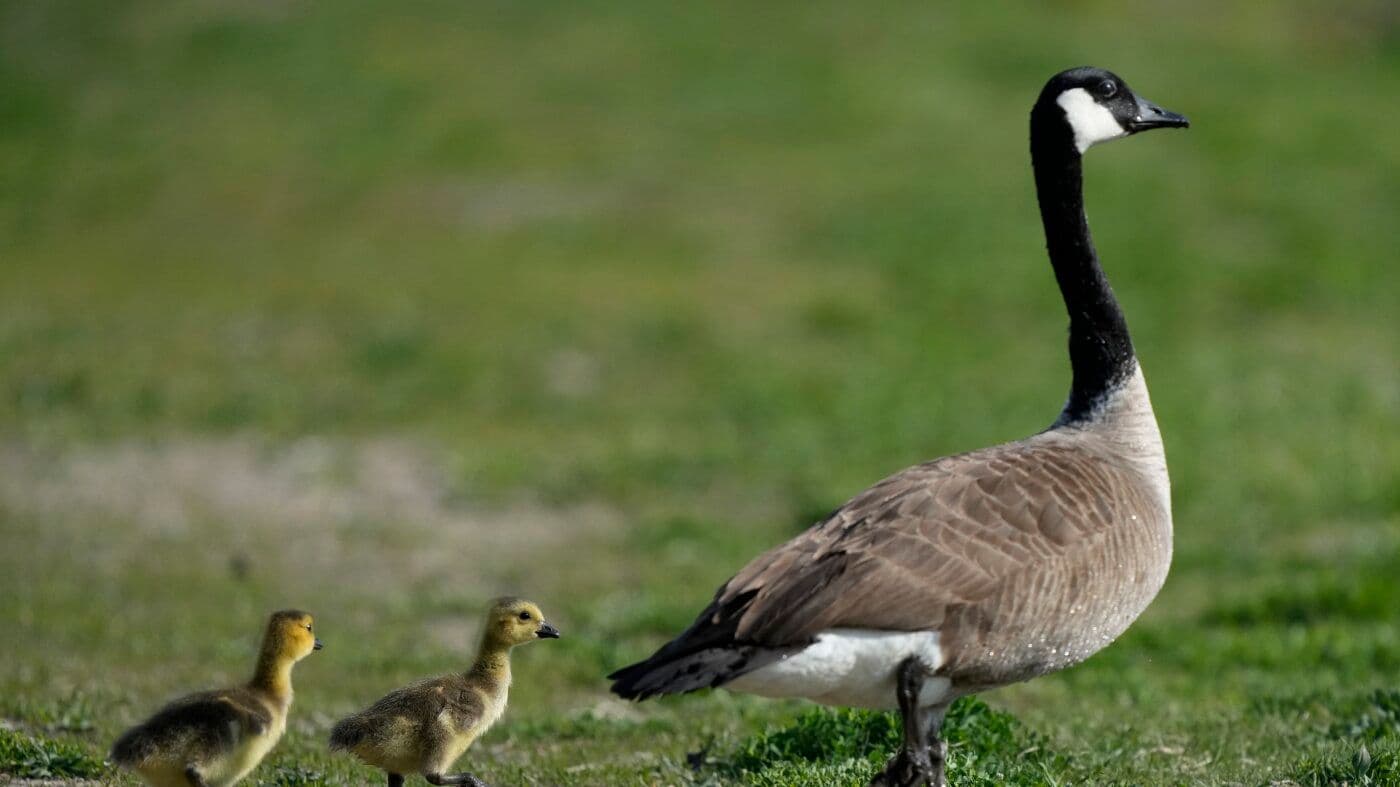
Interestingly, migration is no longer universal among geese. Over the past three to four decades, Canada geese have successfully adapted to live year-round in regions where they once only spent warmer months. Their larger size and notably assertive personalities give them a competitive edge over other species when resources are contested.
"You can imagine how they win these interactions with foxes, coyotes, and other birds," Weegman said. "They're serious competitors."
Arriving Home — With a Partner for Life
By the time migrating geese finally reach their summer destinations, many have already accomplished something beyond the physical journey. They've found a breeding partner along the way — and once that bond is formed, it lasts a lifetime.
It's a fitting conclusion to one of nature's most extraordinary annual journeys: thousands of miles traveled, countless challenges overcome, and a lifelong partnership secured along the way.