The Hidden Hormone Sabotaging Your Blood Pressure Treatment
A groundbreaking U.S. study finds that excess cortisol may be silently driving treatment-resistant high blood pressure in millions of Americans.

Why Your Blood Pressure Medications May Not Be Working
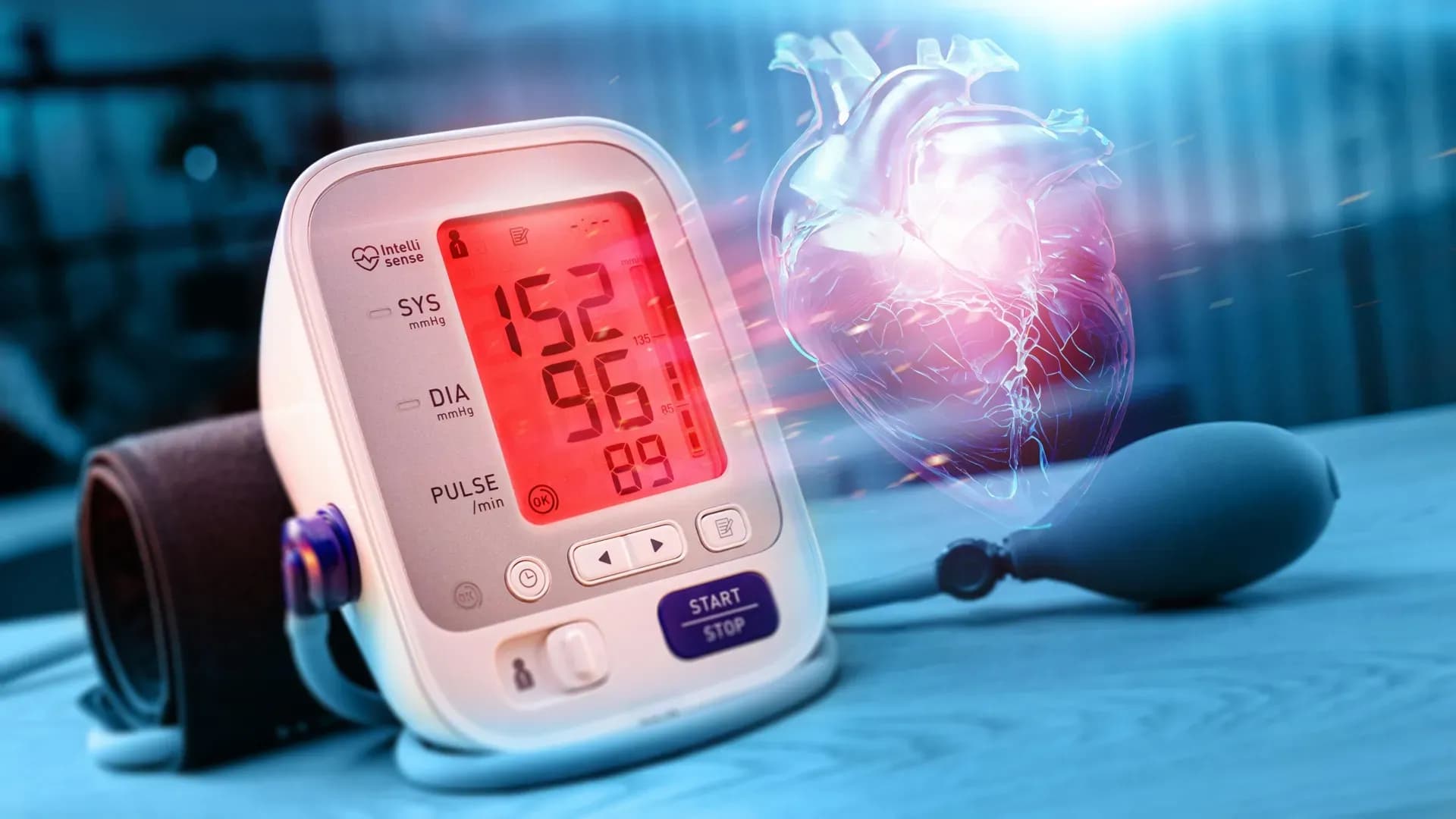
For millions of Americans struggling with stubborn high blood pressure, the answer may not lie in stronger medications — it could be hiding in their hormones. A landmark U.S. study has found that elevated cortisol levels are surprisingly common among patients whose blood pressure refuses to respond to standard treatment, potentially reshaping how doctors approach one of the country's most persistent cardiovascular challenges.
What the MOMENTUM Study Revealed
The MOMENTUM study — the largest and first of its kind conducted in the United States — examined 1,086 patients across 50 medical centers nationwide, including the Mount Sinai Health System in New York. Researchers focused on individuals diagnosed with resistant hypertension, a condition in which blood pressure remains dangerously high despite the use of three or more medications simultaneously.
After screening participants using a dexamethasone suppression test — which involves taking a dexamethasone dose overnight and measuring cortisol levels in the blood the following morning — researchers identified a striking pattern. Any patient with cortisol levels exceeding 1.8 ug/dL was classified as having hypercortisolism.
The results were eye-opening: 297 out of 1,086 participants, or 27 percent, were found to have elevated cortisol levels. This figure far exceeds what medical professionals have historically been taught to expect.
Understanding Cortisol's Role in Blood Pressure
Cortisol is widely known as the body's primary stress hormone, playing a key role in regulating how we respond to physical and emotional stress. Under normal circumstances, cortisol levels rise and fall in a healthy rhythm. However, when cortisol remains chronically elevated — a condition known as hypercortisolism — it can trigger a cascade of serious health complications.
These complications include:
- Uncontrolled high blood pressure
- Unexplained weight gain
- Muscle deterioration
- Increased risk of developing type 2 diabetes
The study also found that patients with reduced kidney function were significantly more likely to have elevated cortisol, suggesting a potential link between impaired renal health and hormonal imbalance in hypertensive patients.
A Double Hormonal Threat
Cortisol is not the only hormone causing trouble. The study also found that approximately 20 percent of participants had primary hyperaldosteronism — a condition where the body overproduces aldosterone, another hormone closely tied to blood pressure regulation. Even more concerning, around 6 percent of participants had both conditions simultaneously, compounding their cardiovascular risk.
Why This Changes Everything for Resistant Hypertension
Nearly 10 million people in the United States live with resistant hypertension, and many of them face a significantly higher risk of heart attacks, heart failure, and other serious cardiovascular events. For years, clinicians have focused primarily on adjusting medication regimens when standard treatments fail — but this research suggests that an undiagnosed hormonal disorder may be the true culprit.
"The fact that such a high percentage — more than 25 percent — of patients with resistant hypertension have elevated cortisol levels is very different from what doctors have been historically taught in medical school," said Dr. Deepak L. Bhatt, MD, MPH, MBA. "These findings should prompt more screening for excess levels of cortisol in patients with resistant hypertension."
Dr. Bhatt also noted that the logical next step involves conducting randomized clinical trials to determine whether therapies specifically designed to reduce cortisol's impact can safely and effectively lower blood pressure in these patients.
What Patients and Physicians Should Consider
The good news is that screening for hypercortisolism is relatively straightforward. The dexamethasone suppression test used in this study is a well-established diagnostic tool that can be administered without significant difficulty.
For patients whose blood pressure remains persistently high despite multiple medications, there is now a compelling reason to have a broader hormonal conversation with their physician. Requesting a cortisol screening could be a meaningful step toward finally finding an effective solution.
Physicians, in turn, are being encouraged to expand their diagnostic thinking beyond standard cardiovascular risk factors and consider hormonal imbalances — particularly elevated cortisol — as a possible underlying cause in resistant hypertension cases.
Looking Ahead
The MOMENTUM study, presented at the American College of Cardiology's Annual Scientific Session and funded by Corcept Therapeutics Incorporated, marks a significant turning point in cardiovascular research. If follow-up trials confirm that cortisol-targeting therapies can effectively manage blood pressure, it could open an entirely new treatment pathway for millions of patients who have long struggled without relief.
For now, the most important takeaway is clear: when blood pressure won't budge, it may be time to look beyond the heart — and straight at the hormones.