The Complete Guide to Cleaning Vinyl Records in 2026: Vacuum, Ultrasonic, and More
Discover the best methods to deep-clean your vinyl records and keep your collection sounding pristine for decades to come.

The Complete Guide to Cleaning Vinyl Records in 2026
Whether you're a seasoned audiophile or just getting into vinyl, keeping your records clean is essential for optimal sound quality and long-term preservation. This guide covers everything you need to know — from budget-friendly DIY setups to professional-grade ultrasonic machines.
Why Standard Cleaning Products Fall Short
A quick search online reveals dozens of record-cleaning sprays, pads, and wipe-down kits. While these products are widely marketed, they share a fundamental flaw: vinyl grooves are microscopically narrow, and no cloth fiber can reach deep enough inside them to lift debris effectively.
You might succeed in getting cleaning fluid into the grooves, but extracting it again is another challenge entirely. The result? Most traditional spin-and-wipe devices simply redistribute dirt further into the grooves rather than removing it. For a truly clean record, you need a method that physically pulls contaminants out — not just shuffles them around.
The Two Best Methods for Cleaning Vinyl Records
1. Vacuum Suction Cleaning
Vacuum-based record cleaning machines work by using suction to physically draw cleaning solution — along with all the dust, oils, and grime dissolved in it — directly out of the grooves. Professional all-in-one units, such as the Pro-Ject record cleaner (around $450), include a motorized platter that rotates the record in both directions while a built-in vacuum system extracts the fluid.
If that price point feels steep, a cost-effective alternative is the Vinyl Vac attachment (approximately $30), which connects directly to any standard wet-dry vacuum hose. Paired with a quality record-cleaning solution (around $35) and an inexpensive paintbrush (about $7) for even fluid distribution, this DIY setup delivers impressive results at a fraction of the cost.
To complete your setup, you'll want something that slowly rotates the record while you vacuum — an old or non-functional turntable works perfectly for this purpose. Thrift stores are a great place to find one cheaply, since you only need the spinning platter, not a working audio system. Many collectors are genuinely surprised by how dramatically this simple approach can revive even the dirtiest records.
2. Ultrasonic Cleaning
Ultrasonic cleaners represent the gold standard in vinyl record maintenance, making them particularly well-suited for large collections. These machines use high-frequency sound waves to agitate the cleaning solution at an extremely rapid rate, causing embedded grit, oils, and debris to literally shake loose from the grooves and sink to the bottom of the cleaning basin.
A reliable mid-tier ultrasonic cleaner runs approximately $425, while premium models can cost twice as much — though they perform essentially the same function. Most units are fully automated, featuring a motor that keeps records rotating in temperature-controlled fluid throughout the cleaning cycle.
One major advantage of ultrasonic machines is their capacity: most models can accommodate up to eight LPs or 7-inch singles simultaneously. Once the cleaning cycle is complete, simply transfer your records to the included drying rack.
Step-by-Step Cleaning Instructions
Using the Vacuum Method
- Apply cleaning solution to the record surface while slowly rotating it, ensuring the fluid reaches every groove.
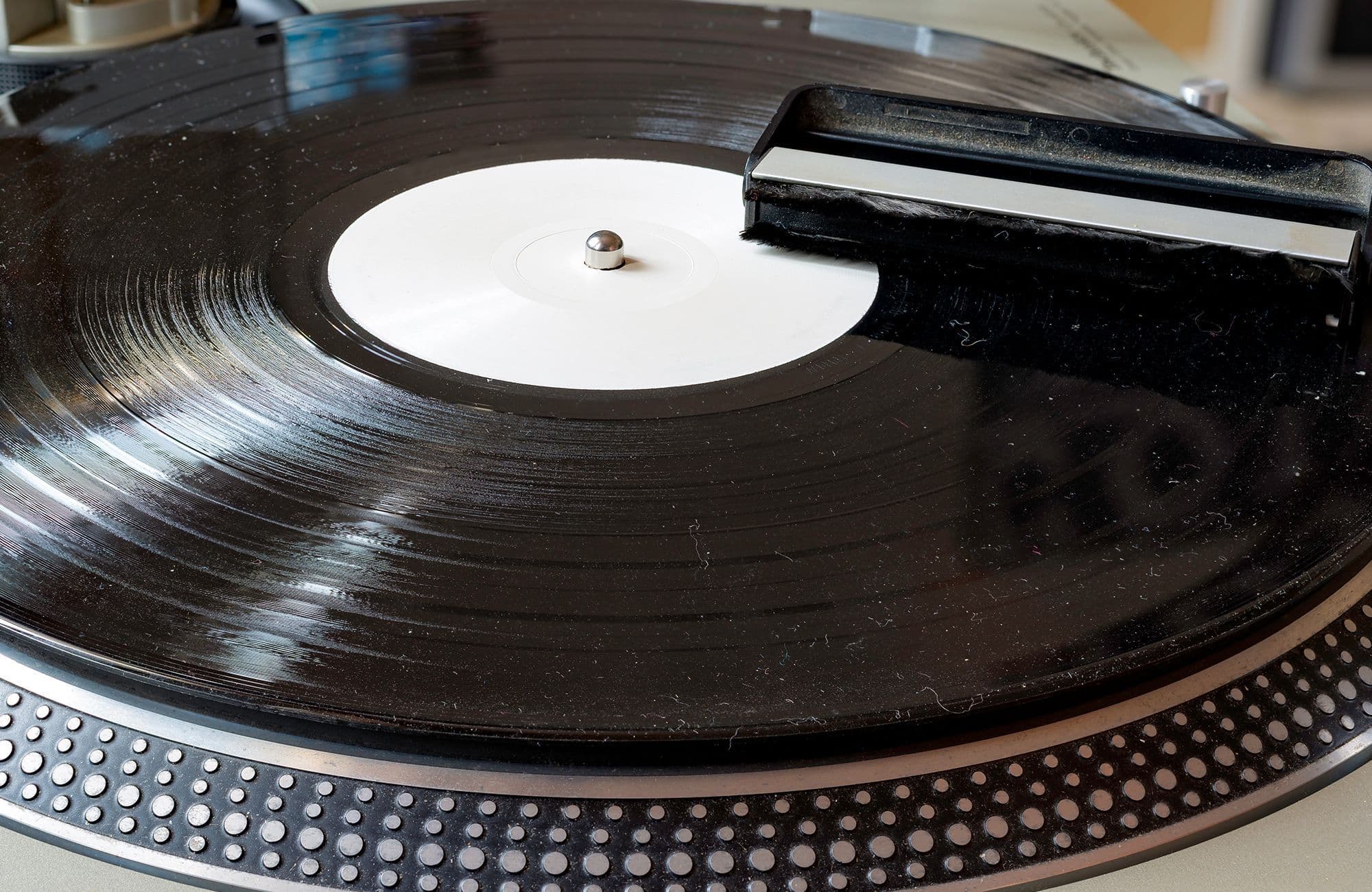
- Use a soft paintbrush with minimal pressure to distribute the solution evenly.
- Allow the solution to sit on the record for 10 to 20 seconds.
- Run the vacuum nozzle over the surface while continuing to rotate the record, extracting as much liquid as possible before any residue evaporates.
Using the Ultrasonic Method
- Place your records into the machine's cleaning basket and fill the basin with diluted cleaning solution.
- Run the cleaning cycle — the machine handles everything automatically.
- Once complete, transfer records to the drying rack.
- Empty and rinse the basin between uses, as collected debris settles at the bottom.
Tips for Both Methods
- For particularly grimy records, run two consecutive cleaning cycles using progressively fresh fluid.
- Keep a clean microfiber cloth (around $5) on hand to ensure records are completely dry before returning them to their sleeves.
- Some collectors prefer a final rinse with distilled water after cleaning to remove any remaining solution residue — simply dry thoroughly before storage.
How Often Should You Clean Your Records?
The short answer: whenever they need it. For most collectors, a thorough initial cleaning of the entire collection followed by maintenance cleaning every 20 to 30 plays is a solid routine. An annual deep-clean session works well for others.
It's also worth noting that brand-new records aren't necessarily clean. Manufacturing oils used during the pressing process can remain on the surface, causing new records to accumulate grime faster than previously cleaned ones. Make new additions to your collection part of your regular cleaning rotation.
Proper Handling to Protect Your Records
Cleaning extends the life of your vinyl, but so does careful handling. You don't need to wear white gloves every time you touch a record, but you should always minimize contact with the playing surface. Hold records by their edges or by gripping the edge and the center label — never place your fingers directly on the grooves.
Before each play, clean your stylus using a gel-based cleaner (typically around $16) and brush the record surface to remove any loose dust. A dusty needle grinding into a dirty record is the leading cause of those frustrating pops and crackles during playback. With consistent care, a well-maintained vinyl collection can last for many decades.
Storing Your Records the Right Way
Cleaning can only do so much — improper storage is one of the fastest ways to damage a collection. No cleaning method can repair scratches or fix warped records, so prevention is everything.
Storage Best Practices
- Store records upright — stacking them horizontally or leaning them at angles places uneven pressure on the vinyl, leading to warping over time.
- Maintain a stable temperature — avoid rooms that experience significant temperature fluctuations or extreme heat and cold, as thermal stress degrades vinyl.
- Keep records out of direct sunlight — UV exposure and heat from sunny rooms can permanently warp and discolor vinyl.
- Use protective sleeves — clear outer jacket covers (around $31 for 100) and inner disc sleeves (around $28 for 50) provide an extra layer of protection against dust, moisture, and handling wear.
Buying Used Records
When shopping for secondhand vinyl, always inspect records carefully before purchasing. Use a bright flashlight or your smartphone's light to check for surface scratches, and examine the disc from multiple angles to confirm it lies completely flat. Most record store staff will cut the tape on sealed bags so you can inspect the disc — don't hesitate to ask.
Final Thoughts
Vinyl record care doesn't have to be complicated or expensive. Whether you invest in a professional ultrasonic cleaner or build a capable DIY vacuum system for under $75, the results speak for themselves. Combine regular cleaning with proper storage habits and careful handling, and your records will reward you with rich, clear sound for generations to come.