The Complete Guide to Cleaning Vinyl Records in 2026: Vacuum, Ultrasonic, and Beyond
Dirty vinyl ruins your listening experience. Discover the best methods to deep-clean your records and keep your collection sounding pristine for decades.

The Complete Guide to Cleaning Vinyl Records in 2026
Keeping your vinyl collection in top condition isn't just about aesthetics — it directly affects sound quality, needle longevity, and the long-term value of your records. Whether you're a seasoned collector or just getting started, understanding the right cleaning techniques makes all the difference.
Why Standard Wipe-Down Methods Fall Short
A quick search online turns up dozens of record-cleaning sprays paired with cloths, pads, or spin-clean devices. While these products are widely available and aggressively marketed, they share a fundamental flaw: vinyl grooves are microscopic, and the fibers of any cloth simply cannot penetrate deep enough to remove embedded dirt.
You might succeed in getting cleaning fluid into the grooves, but pulling it back out is another matter entirely. The result? Most of these wipe-and-spin products don't actually clean your records — they redistribute the grime already trapped inside the grooves. That's not cleaning; that's just rearranging the problem.
The Two Methods That Actually Work
1. Vacuum Suction Cleaning
Vacuum-based record cleaners physically extract cleaning solution — along with all the dirt, dust, and oil it has loosened — directly from the grooves. High-end all-in-one machines, such as the Pro-Ject record cleaner (around $450), feature a motorized platter that spins the record in both directions while a built-in vacuum system draws out every drop of solution.
For those who prefer a more budget-conscious approach, a DIY setup works just as effectively. A Vinyl Vac attachment (approximately $30) connects directly to any standard wet-dry vacuum hose and transforms it into a capable record-cleaning tool. Pair it with a quality cleaning solution (around $35) and a soft paintbrush (about $7) for even solution distribution, and you have a highly functional system at a fraction of the cost.
One useful addition to this setup is an old turntable or spinning platter — not one that needs to play music, just one that physically rotates. Thrift stores are an excellent source for these. The ability to slowly spin the record while vacuuming the solution out of the grooves makes the entire process far more efficient. The results from this DIY approach can be genuinely remarkable, transforming grimy, neglected records into clean, vibrant-sounding discs in just a few minutes.
2. Ultrasonic Cleaning
Ultrasonic cleaners represent the most technologically advanced approach to vinyl care. These machines use high-frequency sound waves to agitate the cleaning solution at a molecular level, causing embedded debris, oils, and contaminants to literally shake free from the grooves and fall into the cleaning basin below.
A reliable mid-tier ultrasonic cleaner runs approximately $425. Premium models exist at double the price but deliver essentially identical results — making the mid-range option the smarter purchase for most collectors. These machines operate automatically, with a motor that keeps records rotating through a temperature-controlled solution throughout the cleaning cycle.
The biggest advantage of ultrasonic cleaning is efficiency: most machines accommodate up to eight LPs or 7-inch singles simultaneously, making this method ideal for collectors with large libraries. Once the cleaning cycle completes, records go directly onto an included drying rack.
Step-by-Step Cleaning Instructions
Using the Vacuum Method
- Place the record on a spinning surface and apply cleaning solution evenly across the playing area.
- Use a soft paintbrush with minimal pressure to work the solution into every groove.
- Allow the solution to sit on the record for 10 to 20 seconds.
- While slowly rotating the record, use the vacuum nozzle to extract as much liquid as possible.
- Remove residual moisture before it has a chance to evaporate back into the grooves.
Using the Ultrasonic Machine
- Prepare the machine with diluted cleaning solution at the recommended concentration.
- Load up to eight records onto the machine's spindle.
- Run the cleaning cycle — the machine handles everything automatically.
- Transfer records to the drying rack once the cycle is complete.
- Empty and rinse the basin between uses to prevent recontamination.
For Heavily Soiled Records
For especially dirty records, run two consecutive cleaning cycles using progressively cleaner fluid. With the ultrasonic method, clean all records once, then drain the basin, refill with fresh solution, and repeat. Always finish with a clean microfiber cloth (around $5) to ensure records are completely dry before returning them to their sleeves.
Some collectors also rinse their records in distilled water after the final cleaning cycle to remove any lingering solution residue. If you choose this step, dry the records thoroughly before storage.
How Often Should You Clean Your Records?
Clean your records whenever they sound noticeably degraded — but a practical maintenance schedule for most collectors involves a thorough initial cleaning of the entire collection, followed by cleaning every 20 to 30 plays thereafter. An annual deep-clean session works well for casual listeners.
Don't overlook brand-new records either. Fresh pressings often carry residual mold-release oils from the manufacturing process, which cause surface buildup faster than previously cleaned records. A single cleaning before the first play goes a long way.
Proper Handling Habits
You don't need to go full white-glove protocol, but thoughtful handling habits significantly extend the life of your records. Always grip discs by their edges or by the edge and center label — never touch the playing surface with your fingers. Skin oils transfer easily and attract dust.
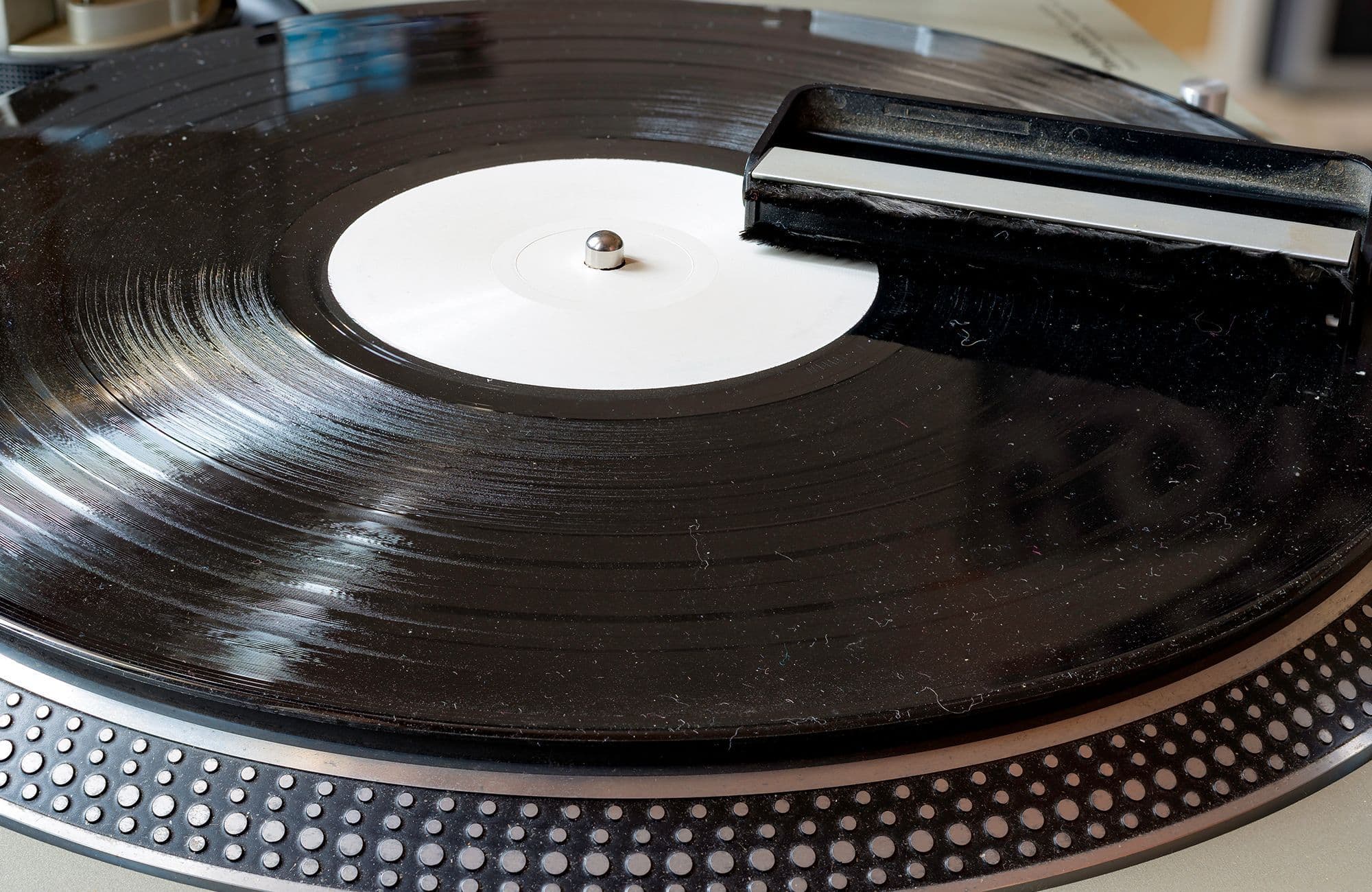
Before each listening session, clean your stylus using a gel-based needle cleaner (quality options start around $16), and use a record brush to sweep away surface dust. Dust ground into grooves by the stylus is responsible for the majority of pops and crackles you hear during playback. With consistent care, your records should remain in excellent condition for many decades.
Storing Your Vinyl Collection the Right Way
Cleaning methods, no matter how advanced, cannot repair physical scratches or correct warped records. Prevention is the only solution, and that starts with proper storage.
Key storage principles:
- Store records vertically — never stack them horizontally or at an angle. Diagonal or flat stacking causes warping under the weight of the records themselves.
- Maintain a stable temperature — avoid locations prone to heat, cold, or dramatic temperature swings, all of which degrade vinyl over time.
- Keep records away from direct sunlight — UV exposure and heat from sunny windows are particularly damaging.
- Choose a dry environment — moisture encourages mold growth on both the records and their sleeves.
For sleeve protection, clear outer jacket covers (around $31 for a pack of 100) and inner anti-static disc sleeves (approximately $28 for 50) are worthwhile investments. The inner sleeves that come with records have a habit of disappearing, so keeping a supply on hand is practical.
Buying Used Records: What to Look For
When shopping for used vinyl, knowing how to distinguish a dirty record from a damaged one saves you money and frustration. Use a bright flashlight or your smartphone's light to inspect the playing surface closely before purchasing. Tilt the record at different angles to check for flatness — warped records are identifiable by visible curves or waves across the surface.
Most record stores will allow you to unseal a polyvinyl-bagged record for inspection before purchase. Don't hesitate to ask — it's standard practice, and any reputable shop will accommodate the request.
Final Thoughts
Vinyl records are both a passion and an investment. A consistent cleaning routine, combined with smart storage habits and careful handling, ensures your collection delivers exceptional sound quality for years to come. Whether you go the DIY vacuum route or invest in an ultrasonic machine, the effort pays off every time the needle drops.