Texas Democratic Senate Primary: How Media Favoritism Toward Talarico May Be Underestimating Crockett
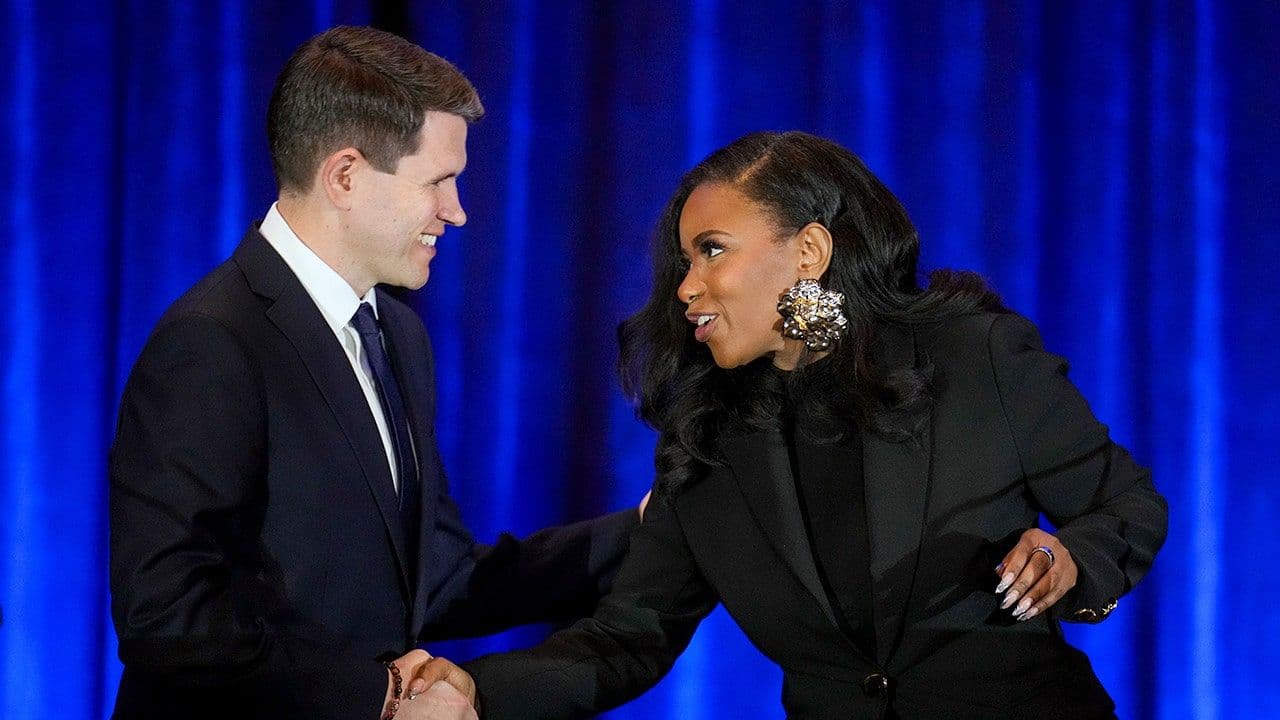
Liberal media outlets are rallying behind James Talarico in the Texas Democratic Senate primary, but Rep. Jasmine Crockett and her supporters aren't backing down.

Texas Democratic Senate Primary: A Race Defined by Media Influence and Racial Politics
Over the past several weeks, a striking pattern has emerged in the Texas Democratic Senate primary: mainstream liberal media outlets have thrown their weight behind candidate James Talarico in ways that observers say are unusual for a state-level primary race. Meanwhile, his competitor, the outspoken and nationally recognized Rep. Jasmine Crockett, continues to fight for her political life — and her supporters are pushing back hard.
How the Talarico Media Surge Began
The story traces back to February 16, when late-night television host Stephen Colbert made a claim that the Trump administration and CBS had blocked an interview with Talarico from airing. The claim was false. Colbert later clarified the segment was intended as satire, but the damage — or rather, the benefit to Talarico — had already been done. The controversy generated approximately $2.5 million in donations for his campaign and dramatically raised his national profile almost overnight.
At that point in the race, Crockett held a clear, if not dominant, lead in the polls. Yet in the weeks that followed, despite lacking major endorsements from prominent elected Democrats, Talarico became something of a media darling. Publications ranging from the progressive outlet The Nation to The New York Times treated his campaign with a level of enthusiasm rarely extended to primary candidates at this stage.
What Voters in Dallas Are Actually Saying
Despite the media momentum behind Talarico, conversations with real voters on the ground in Dallas tell a more complicated story.
One man named Cedric, who works for the city's sanitation department, put it plainly. He believes the media's preference for Talarico is rooted in a bias against Crockett as a Black woman. "They don't think the Black woman can win," he said. "But everyone I know is voting for her, and the unions are. Don't count that woman out."
His perspective echoes a viral video that recently circulated online, showing a White woman in Texas visibly emotional — tearful, even — because she personally supported Crockett but felt pressured to vote for Talarico based on perceived electability. The moment captured what many Crockett supporters describe as a troubling pattern: the assumption that a Black woman cannot win a general election, regardless of her qualifications or enthusiasm among the base.
Not all voters have made up their minds, however. One Democratic voter in his seventies admitted he remained undecided. "I like what I see in the Talarico ads, and it seems many people think he has the best shot," he said. "Guess I have some thinking to do."
Chaotic Polling Creates More Questions Than Answers
Adding to the uncertainty surrounding the race is a polling landscape that has been deeply inconsistent. On a single day last week, two separate polls were released with results that could not have been more different — one showed Talarico leading by 12 points, while the other had Crockett ahead by the same margin.
Without evidence of deliberate manipulation, the most likely explanation for such a dramatic discrepancy lies in the differing assumptions each polling firm made about the composition of the electorate — a notoriously subjective variable in political forecasting. Polling averages have since tilted modestly in Talarico's favor, a shift that liberal television commentators have celebrated enthusiastically. On the ground, however, that momentum is far less tangible.
A young barista named Cindy, in her twenties, expressed a sentiment shared by many younger voters: "I don't trust the polls at all. I just vote for who I think is best." In true Texas fashion, she declined to reveal her choice.
The Conventional Wisdom — and Who's Shaping It
The prevailing assumption among political insiders — including Republican strategists — is that Talarico has done enough to secure the nomination. But there is a notable detail worth examining: the people driving that narrative appear to be largely aligned with the Talarico camp. When the sources shaping conventional wisdom share the same allegiances, the wisdom itself deserves scrutiny.
Kamala Harris, Crockett, and the 2028 Question
One of the more intriguing subplots in this primary is the endorsement of Crockett by former Vice President Kamala Harris. The move carries political risk for Harris, who currently holds a substantial lead in early 2028 presidential primary polling. Endorsing a candidate who may lose is never without consequence.
Yet it is worth noting that many of the same left-leaning media figures who have been critical of Crockett's Senate campaign are also openly skeptical of Harris's political future. The question worth asking is whether Harris's decision to back Crockett reflects a deeper read of the electorate — one the media establishment may be missing entirely.
What This Primary Really Means
At its core, the Texas Democratic Senate primary has become a referendum on the power and relevance of mainstream liberal media. These outlets have invested heavily in Talarico's candidacy. A Crockett victory on election night would serve as a significant demonstration of how much influence — or how little — these once-dominant institutions still hold over Democratic voters.
Both candidates have pledged to support whichever of them wins the primary, a display of party unity that is encouraging, even if it may not fully bridge the deeper divisions this race has exposed.
Perhaps the most uncomfortable truth this primary forces Democrats to confront is this: there is a growing weariness among Black voters and progressive communities with the recurring expectation that they must always defer to the more "electable" White male candidate in competitive races. It is a dynamic that, however well-intentioned, carries its own contradictions — and those contradictions may be reaching a breaking point.

