Tenderness and Rage: How AIDS Activism Gave Strength, Solidarity, and Joy to Those Living with HIV
A powerful new London exhibition reveals how protest and compassion transformed the lives of people affected by HIV across decades of struggle.

A New Exhibition Captures the Raw Emotion of AIDS Activism
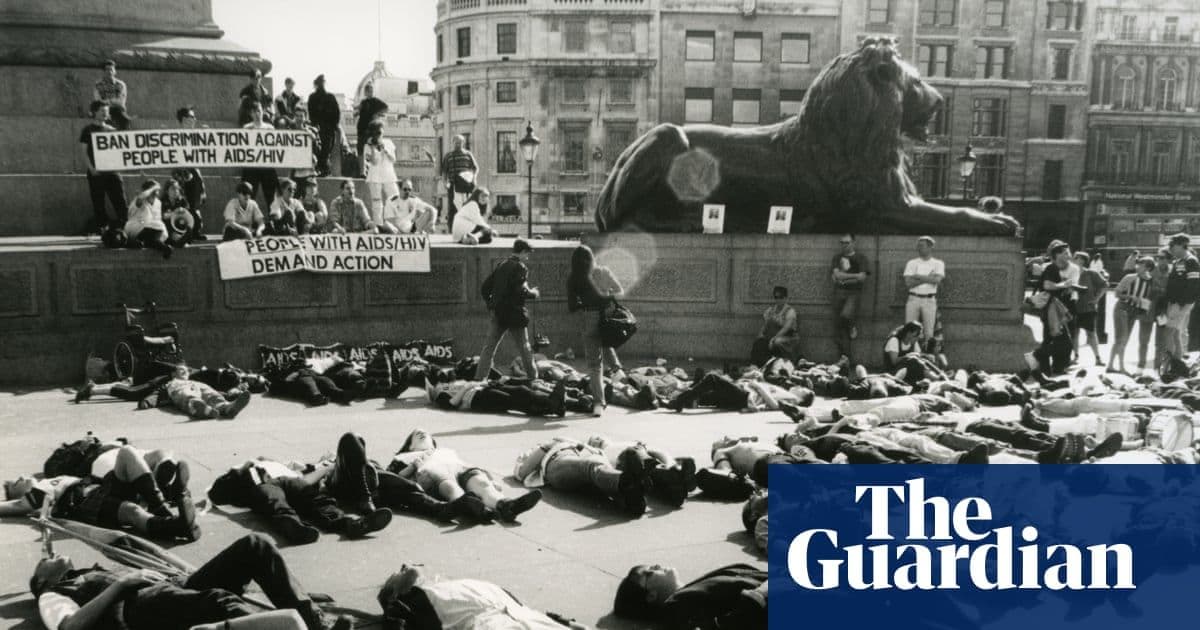
From striking photographs of mass demonstrations in Trafalgar Square to hand-stitched fabric body parts crafted by HIV-positive women, a compelling new exhibition at the Wellcome Collection in London charts the profound impact that activism and community care have had on the rights and dignity of people living with HIV.
Entitled Tenderness and Rage, the show examines how diverse groups touched by the HIV epidemic — including gay men, women of colour, and refugees both in the UK and across the globe — discovered strength, solidarity, and even moments of joy through advocacy and mutual support.
Looking Back at London's AIDS Crisis
The Landmark: A Sanctuary in South London
The exhibition opens by transporting visitors back to the epicentre of London's AIDS crisis during the early 1990s. A documentary film titled Dancing Whilst Diagnosed chronicles the story of the Landmark, a drop-in centre located in Tulse Hill, south London, which served as a lifeline for people affected by HIV and AIDS.
Former staff and volunteers speak candidly about the violence, discrimination, and deep-seated stigma that accompanied an HIV diagnosis at the time. Yet alongside these harsh realities, they also describe the remarkable sense of community that flourished within the centre — evenings filled with DJs, drag performances, and African music provided a rare space where people could simply exist without fear or judgment.
Marc Thompson, who first visited the Landmark as a service user before later pursuing a career in HIV prevention and sexual health, described its significance with clarity: "It was the only place that I felt really safe about my HIV. I didn't have to disclose it to anybody. There was no guessing or hiding, so that really helped me navigate those early years of my own diagnosis."
Thompson also reflected on why the exhibition's title resonates so deeply with his lived experience. "We were so hurt and damaged by everything that we were experiencing that the rage came out through loss or through protest," he explained. "The tenderness resonated with me because of places like the Landmark. That was a place that we could go to get some of that rage soothed and looked after — to be nursed and given a balm."
Confronting the Cost of Treatment
Act UP and the Fight to Make AZT Accessible
One of the exhibition's most thought-provoking sections addresses a contentious chapter in the Wellcome Trust's own institutional history. A dedicated cabinet displays photographs, newspaper clippings, and campaign posters documenting Act UP's fierce campaign to reduce the prohibitive cost of AZT — the first antiretroviral drug proven effective against HIV.
At the time, the medication was manufactured by a pharmaceutical company in which the Wellcome Trust held a 75% ownership stake, placing the drug well beyond the financial reach of many patients who desperately needed it.
Rob Archer, a co-founder of London and Edinburgh Act UP, took the bold step of purchasing shares in the company, which granted him and fellow activists the right to challenge its leadership directly at the annual general meeting in January 1989. While Archer questioned the company's pricing practices inside the boardroom, other campaigners picketed outside, brandishing placards reading "We££come AZT Profiteers" and "People Not Profits."
Archer recalled the confrontation with quiet satisfaction: "I was quite pleased I got under his skin." The sustained pressure of the campaign ultimately forced the company to significantly reduce the price of AZT, making it far more accessible to those who needed it most.
Humanising HIV Through Photography
Gideon Mendel's Intimate Portraits
Also featured in the exhibition are images from photographer Gideon Mendel's acclaimed series The Ward, which documents the care and daily lives of four young gay men — John, Ian, Steven, and Andre — receiving treatment on the Broderip and Charles Bell wards at Middlesex Hospital.
The series is celebrated for its deeply intimate portrayal of patients, their loved ones, and healthcare workers sharing moments of tenderness — hugging, holding hands, simply being present with one another. At a time when tabloid media was actively dehumanising gay men with HIV, these images offered a powerful counter-narrative rooted in humanity and compassion.
Mendel reflected on the atmosphere those wards deliberately cultivated: "They tried to make a place which was very emotionally supported. Staff were encouraged to hug the patients. Touch was really important."
He also acknowledged the courage it took for the four men to participate. "It was a particularly brave and powerful thing that those four young men did because there was a lot of stigma around. The rumour was that there were photographers from the tabloids with long lenses trying to photograph people in the ward. So people were very afraid of the camera."
Mendel remains active in HIV advocacy today, and the exhibition also showcases Through Positive Eyes, a project he co-founded that empowers people living with HIV to share their own stories in their own words.
HIV in the Present Day: Funding Cuts and Global Impact
The exhibition does not confine itself to history. Among those profiled is Phindile, an AIDS counsellor from Johannesburg, South Africa, who recently lost her position at a clinic after the Trump administration withdrew the international funding that had sustained it — a stark reminder that the fight for adequate HIV support is far from over.
Adam Rose, the exhibition's curator, explained that Tenderness and Rage was designed to reflect the evolving demographics of HIV and highlight "which groups are more likely to come into contact or experience greater barriers to accessing treatment."
Rose emphasised the importance of drawing a direct line between the activism of the 1990s and contemporary campaigns worldwide. The exhibition exists, he said, to underscore why this work "continues to be so urgent, particularly in the context of ongoing cuts to HIV funding."
Memory, Motherhood, and the Body
Personal Stories of Survival and Identity
The intimate personal dimensions of living with HIV are also given powerful expression within the show. A memory store created by Angelina Namiba — containing a published diary of her pregnancy and her daughter's framed handprint — represents the experience of HIV-positive mothers. During the early 1990s, pregnant women were encouraged to assemble such keepsake boxes so their children would retain something tangible to remember them by, should they not survive.
Elsewhere, a collection of hand-stitched fabric representations of female body parts — breasts, lips, and vulvas — created through Catwalk4Power's workshops with HIV-positive women, addresses body image, intimacy, sexual health, and the complex emotional landscape of living with a chronic illness. Playful yet purposeful, these objects open conversations that society has too often refused to have.
Exhibition Details
Tenderness and Rage runs from 29 May 2026 to 30 May 2027 at the Wellcome Collection, London. The exhibition brings together decades of history, personal testimony, and ongoing advocacy to remind visitors that behind every statistic is a human story — and that care and protest, far from being opposites, have always walked hand in hand.