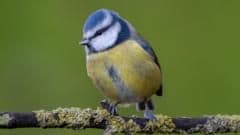
Surrey's Blue Tit Defies National Trends in RSPB's Annual Garden Birdwatch
Surrey bucks the national trend as the blue tit tops local bird sightings, while the RSPB warns against summer bird feeding to prevent disease spread.

Surrey Stands Out as Blue Tit Takes the Top Spot
While the house sparrow dominates bird sightings across the United Kingdom, Surrey tells a different story. According to the latest findings from the Royal Society for the Protection of Birds (RSPB), the blue tit claimed the title of most commonly spotted bird in Surrey — a notable exception to the national pattern revealed in this year's Big Garden Birdwatch survey.
Nationally, the house sparrow held firm as the most frequently recorded species, followed by the blue tit and the starling rounding out the top three. In Surrey, however, the rankings shifted, with the wood pigeon and house sparrow occupying second and third place respectively behind the blue tit.
Regional Bird Rankings Across the South East
The survey also shed light on bird populations in neighbouring counties. In both Kent and West Sussex, the top three most spotted birds were the house sparrow, blue tit, and starling — closely mirroring the national results. East Sussex showed a slight variation, with the wood pigeon replacing the starling in third place behind the house sparrow and blue tit.
RSPB Issues Summer Feeding Warning
Alongside the survey results, the RSPB has issued an important advisory for garden bird enthusiasts. The charity is urging people to stop putting out seeds and nuts from 1 May through to the end of October. The reasoning behind this seasonal restriction centres on the risk of spreading Trichomonosis — a parasitic disease that affects a bird's mouth, throat, and upper digestive tract, making it increasingly difficult for infected birds to eat, drink, or breathe.
RSPB spokesperson Martin Fowlee emphasised the importance of this precaution, stating that limiting supplementary feeding during warmer months is a practical step toward curbing the disease's spread.
What Is Trichomonosis?
Trichomonosis is caused by a microscopic parasite and primarily affects greenfinches and chaffinches, though other species can also be impacted to a lesser degree. The condition has been linked to a significant national decline in greenfinch and song thrush populations — a trend that the long-running Big Garden Birdwatch survey, conducted annually since the late 1970s, has been instrumental in tracking.
"That gives us important information about the conservation that we need to carry out," Fowlee noted, highlighting the critical role citizen science plays in wildlife protection efforts.
Tips for Keeping Garden Birds Safe
For those who provide water for birds — particularly during hot summer days — the RSPB advises changing it on a daily basis. Trichomonosis can survive and persist in standing water, making regular refreshment of bird baths and water dishes an essential hygiene measure.
By adjusting feeding habits and maintaining clean water sources, garden bird enthusiasts can play a meaningful role in supporting the health and recovery of vulnerable bird species across the UK.

